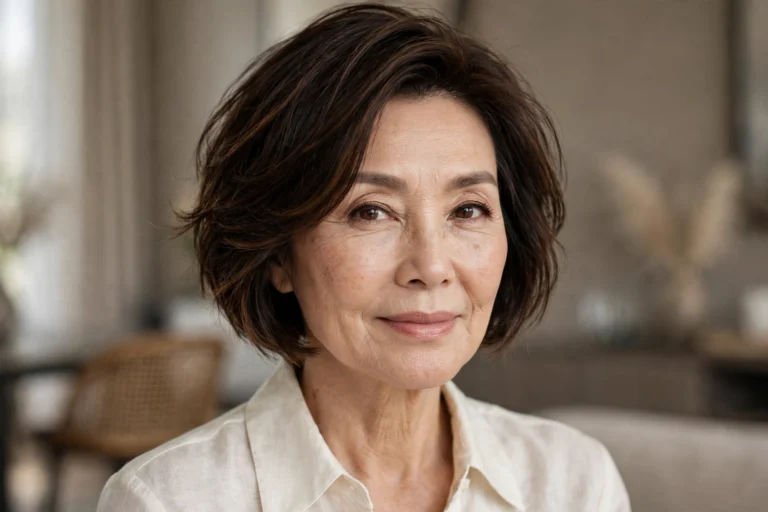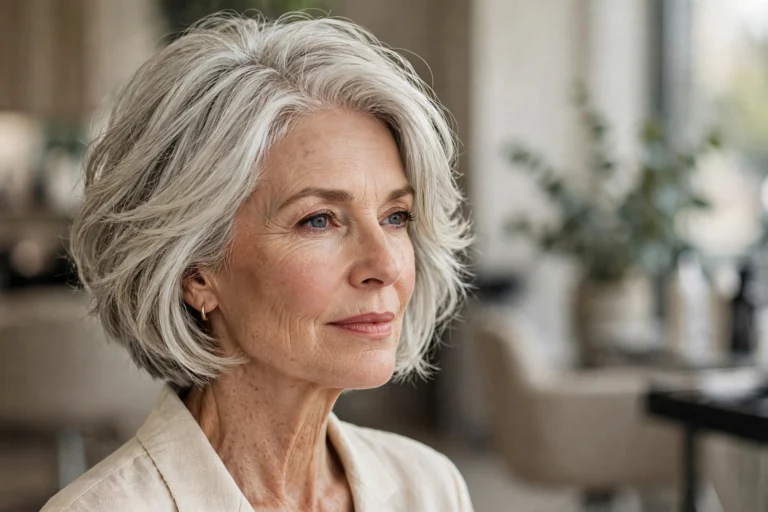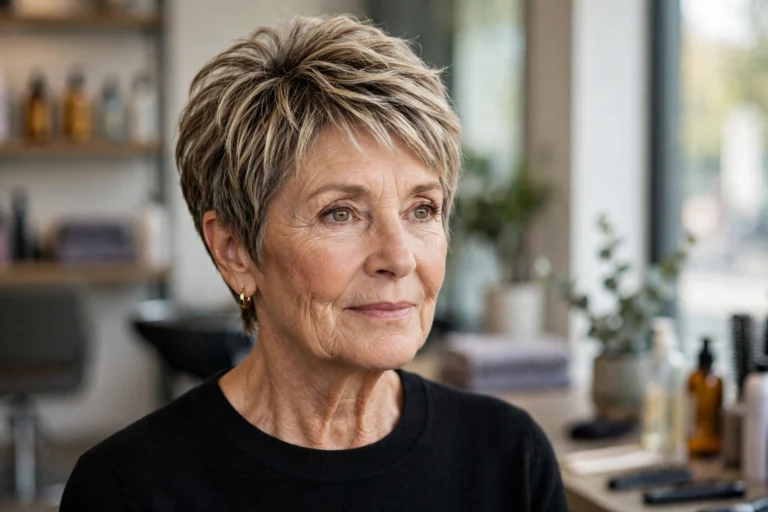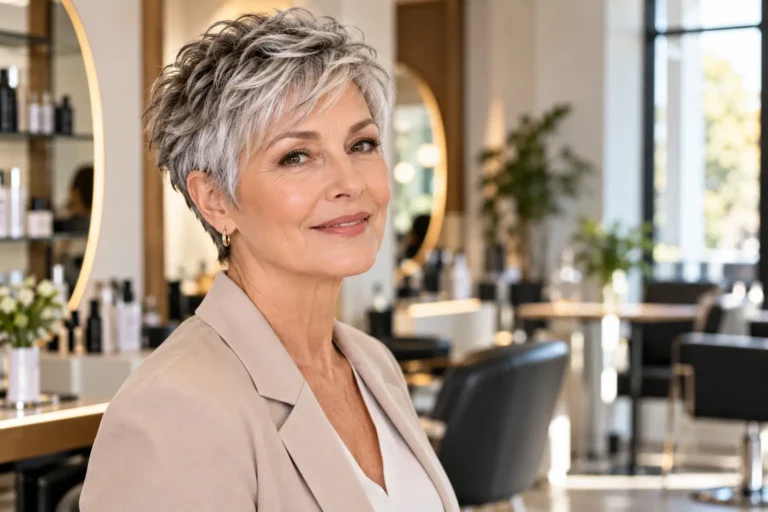
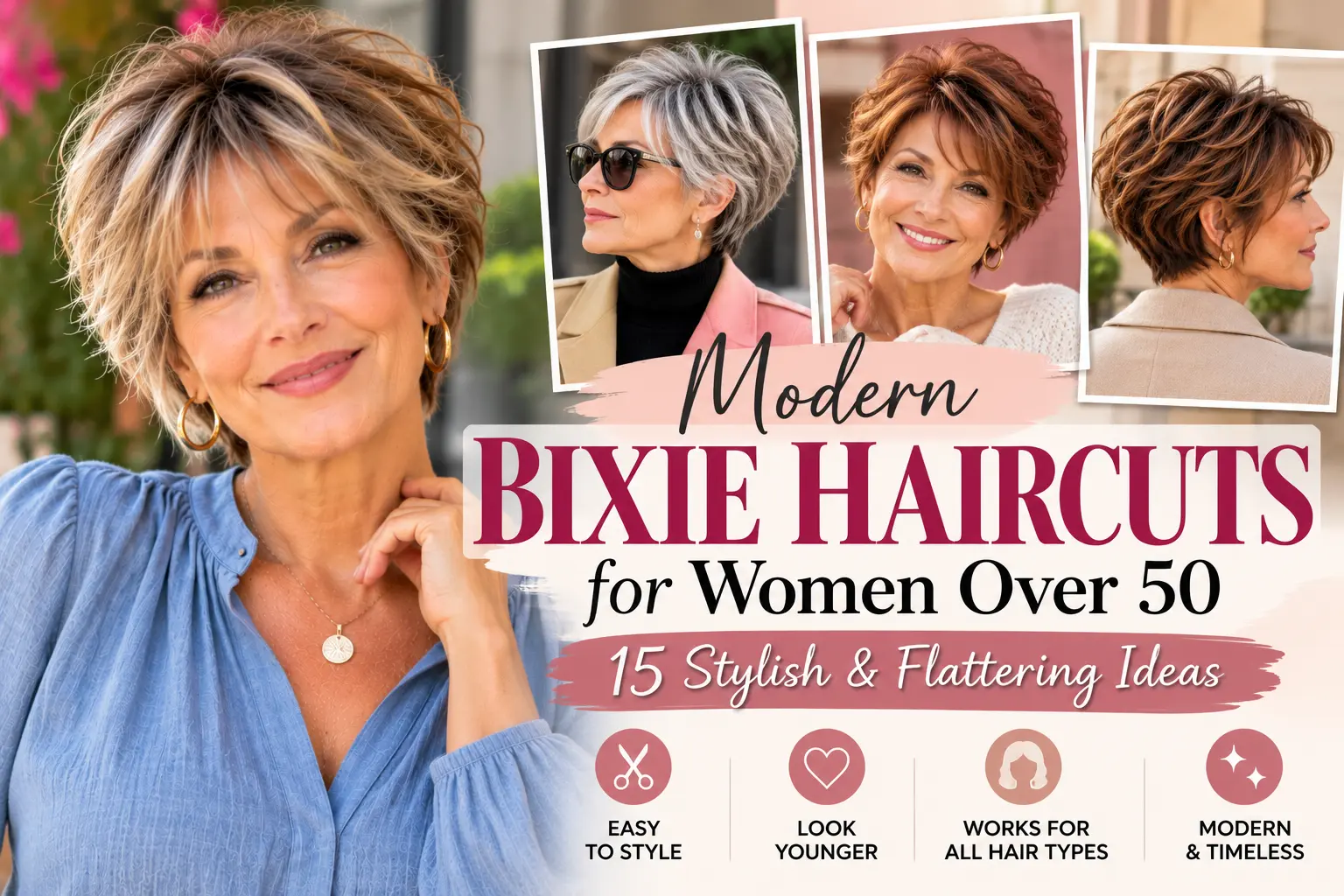
Modern Bixie Haircuts for Women Over 50: 15 Soft, Wearable Ideas
A shorter haircut can feel fresh and modern without being extremely cropped or difficult to style. That is one reason the bixie has become an appealing option for women who want the lightness of a pixie with some of the softness and length of a bob.
Modern bixie haircuts for women over 50 come in many variations. Some have a softly layered crown and longer pieces around the ears, while others feature a side-swept fringe, natural silver tones, gentle waves, or a more polished outline. The right version depends on your hair texture, preferred length, styling habits, and the shape you want around your face.
If you are considering a bixie, these 15 ideas can help you compare different silhouettes and prepare for a more productive conversation with your hairstylist.
Table of Contents
What Is a Bixie Haircut?
A bixie combines elements of a pixie and a bob. It is generally shorter and more layered than a traditional bob but has more length and softness than a classic cropped pixie. The exact shape varies: the crown may be layered, the fringe may sweep across the forehead, and the sides or nape may retain enough length to create a gentle outline.
A bixie is not one fixed haircut. Two people can have very different bixies depending on the length around the ears, the amount of layering, the fringe, and the way the back is shaped.
Compared with a traditional pixie, a bixie often leaves more visible length around the sides and back. Compared with a bob, it usually has a lighter, more compact silhouette and more movement through the upper sections.
If you are comparing shorter cuts, our guide to pixie haircuts for women over 50 explores a wider range of pixie shapes. This article focuses specifically on the in-between length and shape that define a bixie.
15 Modern Bixie Haircuts for Women Over 50
1. Soft Layered Bixie
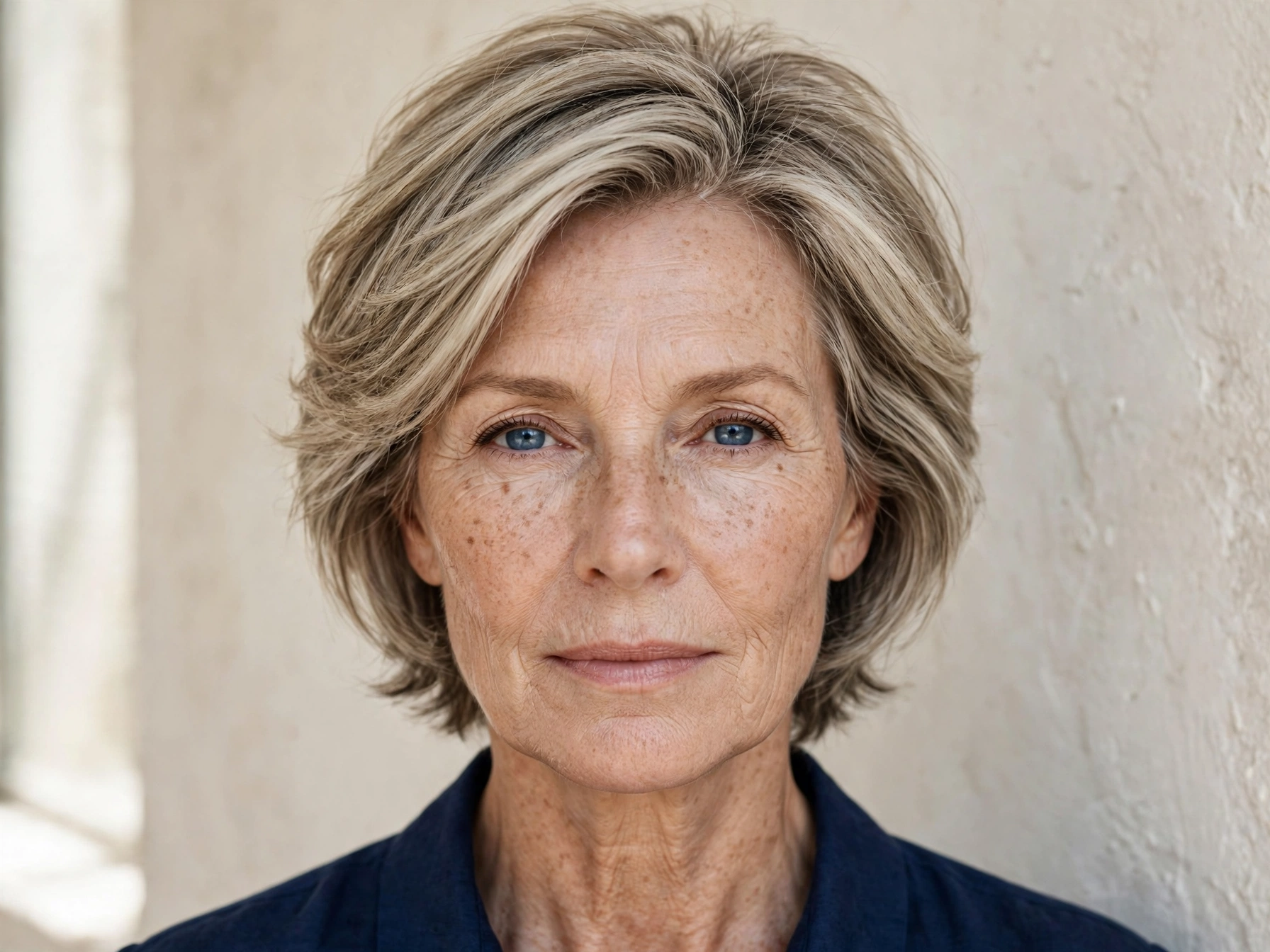
A soft layered bixie is a versatile starting point if you want a short haircut without a sharply cropped appearance. Blended layers add movement through the crown and sides, while a slightly longer outline keeps the cut from looking too severe.
This version works with a range of hair textures when the layers are adapted to the hair’s density and natural fall. Ask your stylist to keep the transitions soft rather than creating a heavily disconnected shape.
Styling idea: Use a small amount of lightweight styling cream and shape the layers with your fingers. The goal is natural movement rather than a stiff finish.
2. Textured Bixie with Side-Swept Bangs
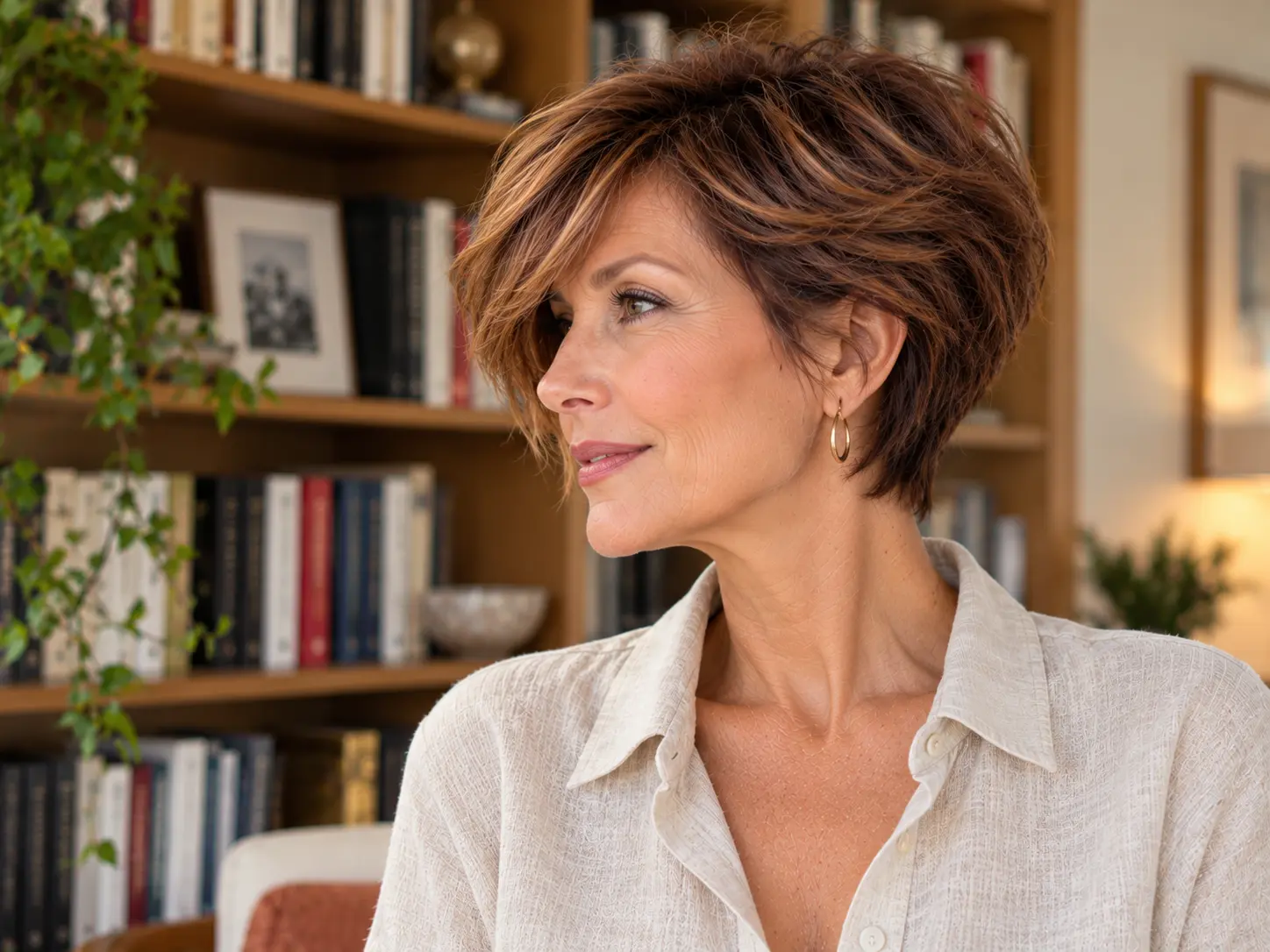
A side-swept fringe creates a diagonal line across the forehead and can make a bixie feel relaxed rather than overly structured. The fringe blends into the side layers, helping the front and crown feel connected.
This option is worth considering if you like some hair around the forehead but do not want a full, straight-across fringe. The length and direction should be chosen around your natural parting and how your hair behaves when it dries.
Styling idea: Direct the fringe to the preferred side while the hair is slightly damp, then let it settle naturally or use a low-heat dryer.
3. Silver Bixie with Natural Dimension
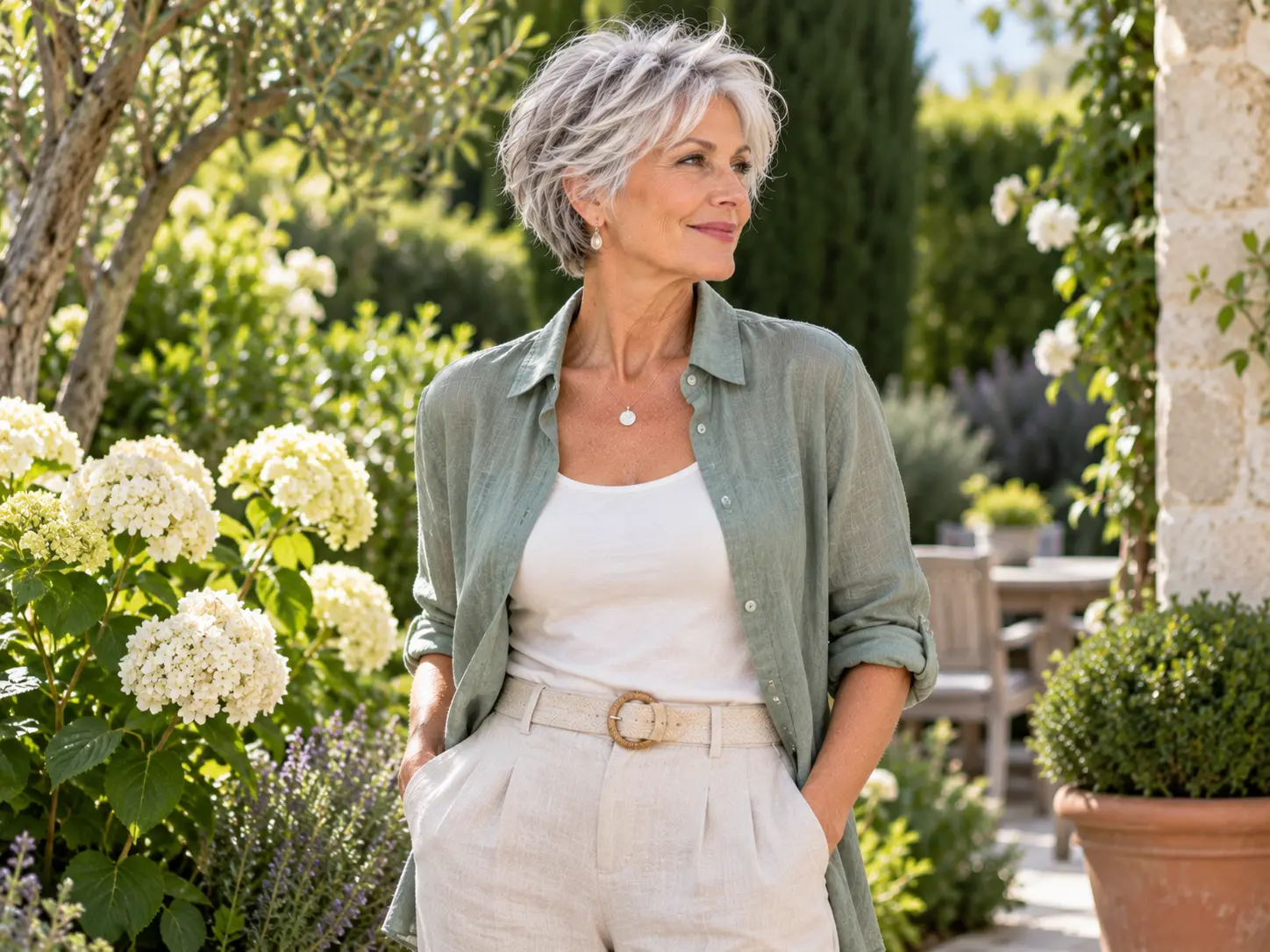
A silver bixie lets naturally gray or white hair become part of the haircut’s overall design. Slightly varied lengths can help show the shape, while natural differences in silver, white, and darker strands add visual dimension.
There is no need to color gray hair to make a bixie look intentional. The cut itself can provide structure and movement. If your hair has several natural tones, ask your stylist to work with them rather than automatically covering them.
Styling idea: Choose a lightweight product that adds definition without leaving a heavy coating. If you use a toning shampoo, follow its directions and adjust frequency to your hair’s needs.
4. Airy Bixie for Fine Hair
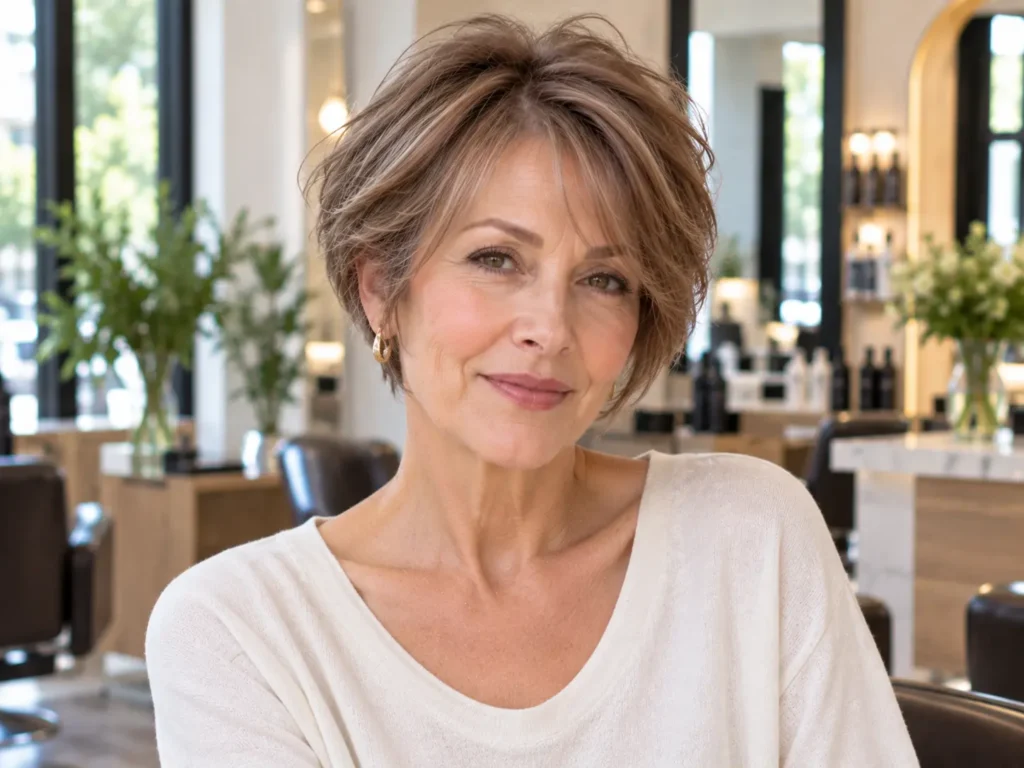
Fine hair can sometimes look flatter when it is weighed down by excessive length or product. An airy bixie uses carefully placed layers and a balanced outline to create a sense of lift without making the ends appear overly thin.
The key is restraint. Too many short layers or aggressive thinning can make fine hair look sparse. Ask your stylist to assess your density, hairline, and crown growth before deciding where to remove weight.
Styling idea: Apply a small amount of lightweight volumizing product near the roots. Lift the crown gently while drying, or allow the hair to air-dry if that gives you the finish you prefer.
5. Wavy Bixie with Soft Movement

A wavy bixie works with a natural bend instead of trying to make every strand lie perfectly straight. Soft layers help the waves sit around the crown and sides, while enough length remains to show their natural pattern.
The cut needs to account for how much your hair springs up as it dries. A stylist familiar with your texture can help choose a length that looks balanced both when the hair is damp and when it is fully dry.
Styling idea: Work a small amount of lightweight curl cream or mousse through damp hair, then allow the waves to dry with minimal handling.
6. Feathered Bixie with Wispy Ends
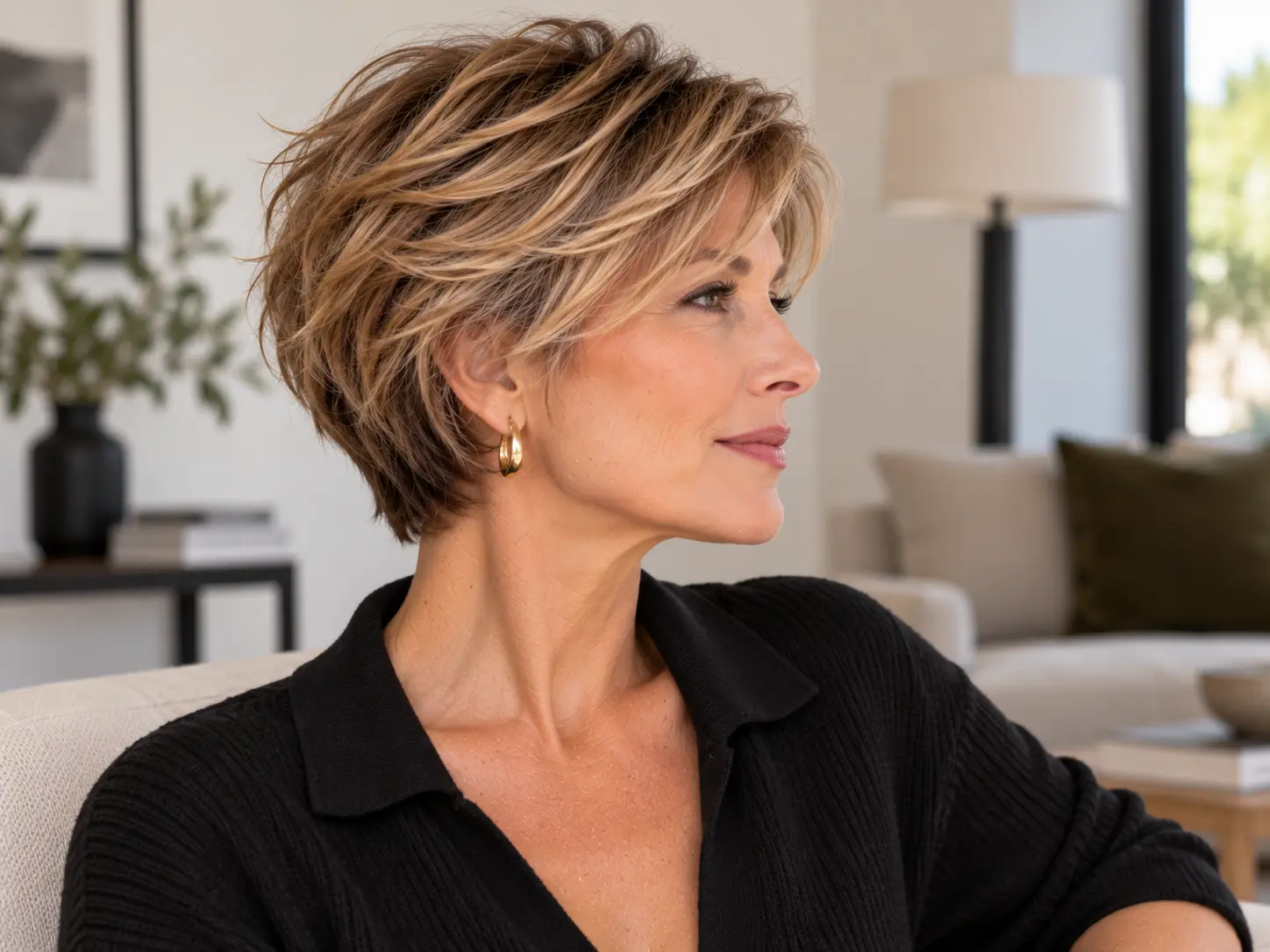
Feathered ends create a light, airy finish without requiring the whole haircut to be heavily textured. The outline can remain soft and controlled, while the tips separate gently to show movement.
This is a useful reference if you dislike blunt edges but also do not want a deliberately messy, choppy cut. The feathering should complement your hair density rather than remove too much weight.
Styling idea: Smooth a tiny amount of finishing cream over the ends, concentrating on definition rather than shine or hold.
7. Chin-Length Bixie with Face-Framing Layers
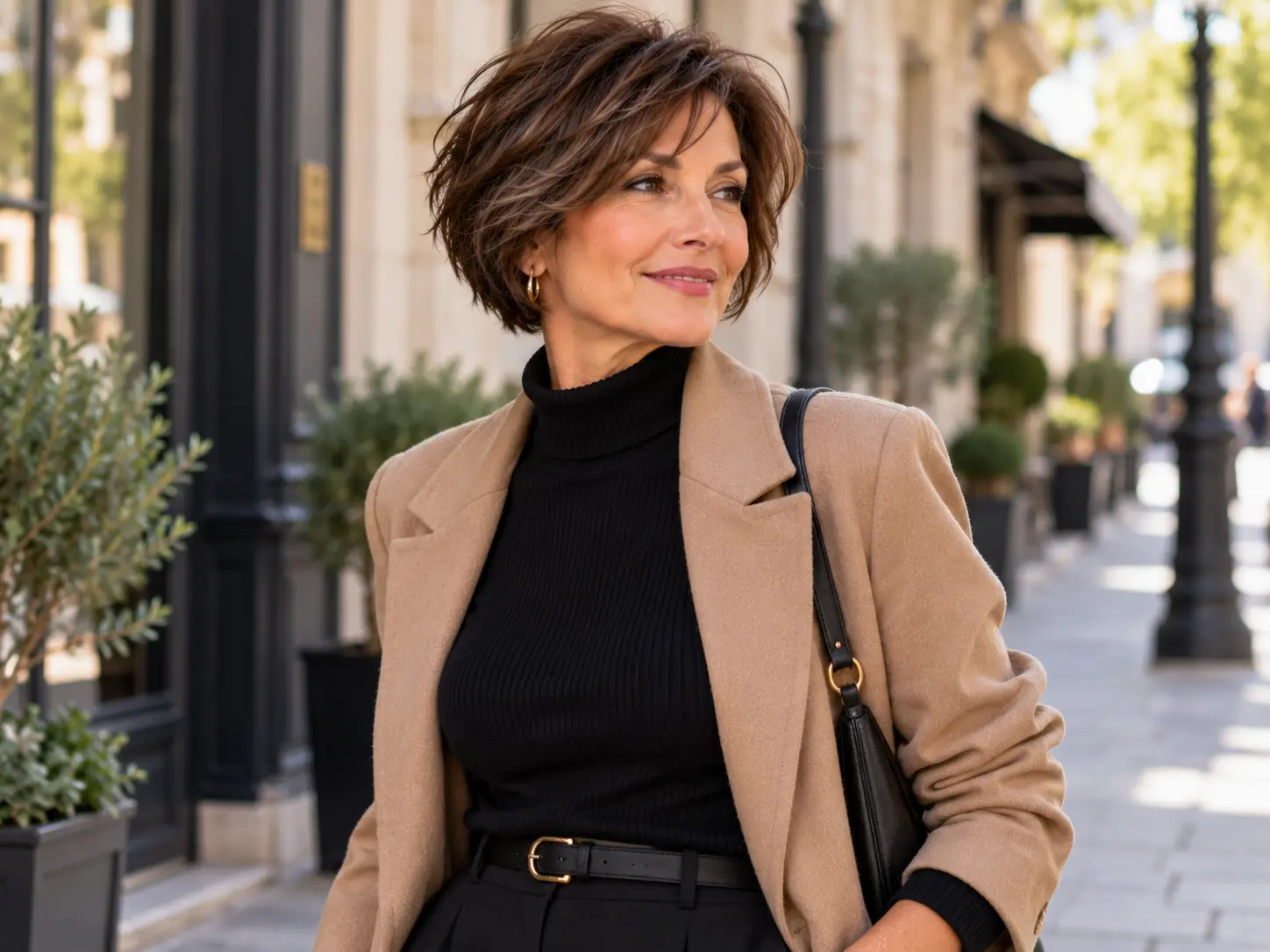
This variation keeps more length around the front, with selected pieces reaching toward the chin while the crown and back remain more compact. Face-framing layers create a gradual transition from the front into the shorter sections.
It can be a practical option if you are moving from a bob to a shorter cut and want to preserve some movement around your face. The front length should be tailored to your hair’s natural fall and the way you like to wear your part.
Styling idea: Tuck one side behind the ear or allow the longer front pieces to fall naturally. Ask your stylist how the shape will look when the hair is worn both tucked and untucked.
8. Tapered Bixie with a Longer Fringe
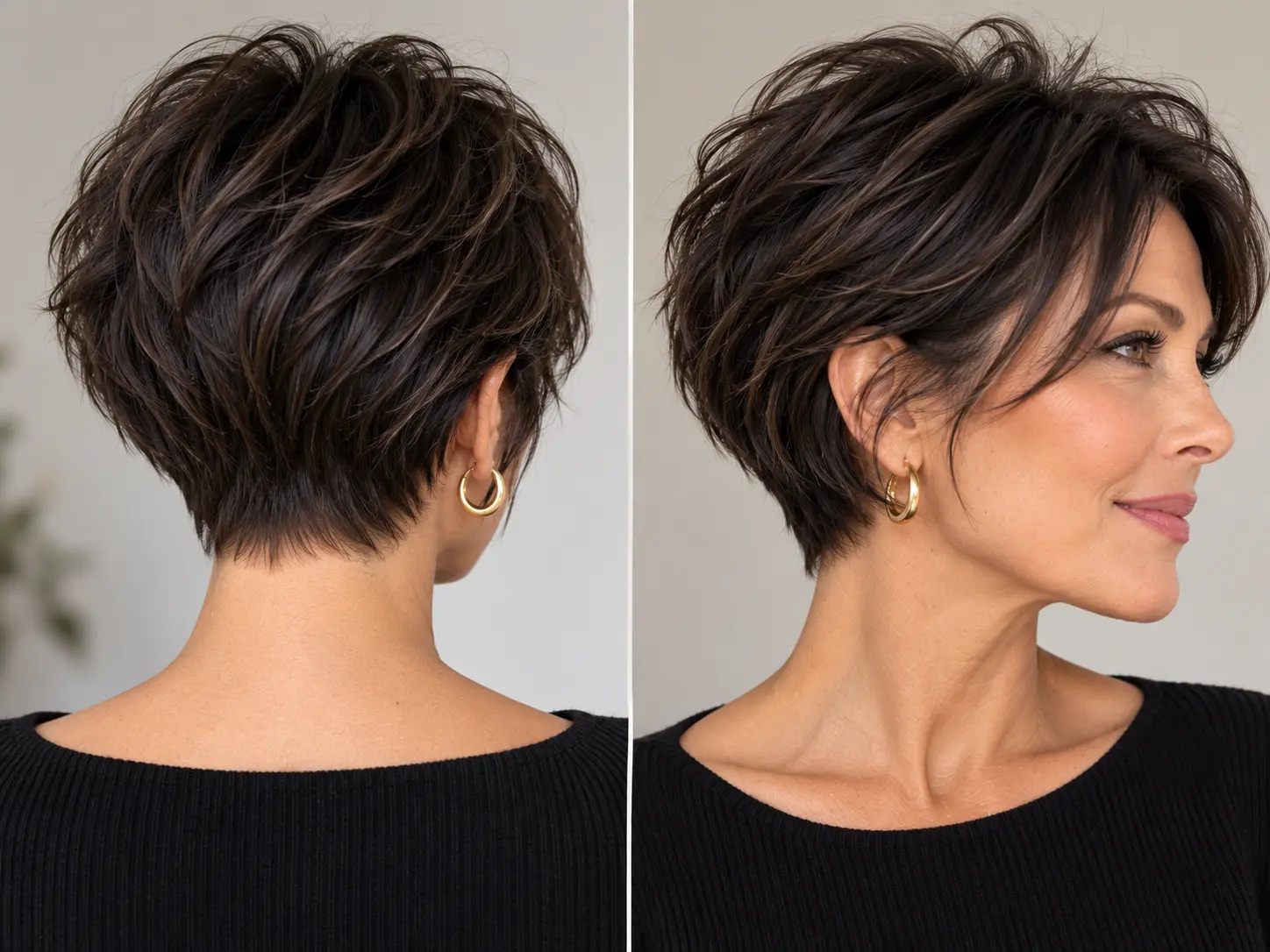
A tapered bixie has a neater, more compact shape around the nape, while the fringe and upper sections retain more length. This contrast creates structure without requiring an extremely short crop.
The longer fringe can be worn forward, swept sideways, or blended into the front layers. It is important to discuss the back and side profile with your stylist, because a tapered shape can look very different depending on how closely the nape is cut.
Styling idea: Keep the fringe flexible and use a light product that allows you to redirect it without making the hair stiff.
9. Curly Rounded Bixie
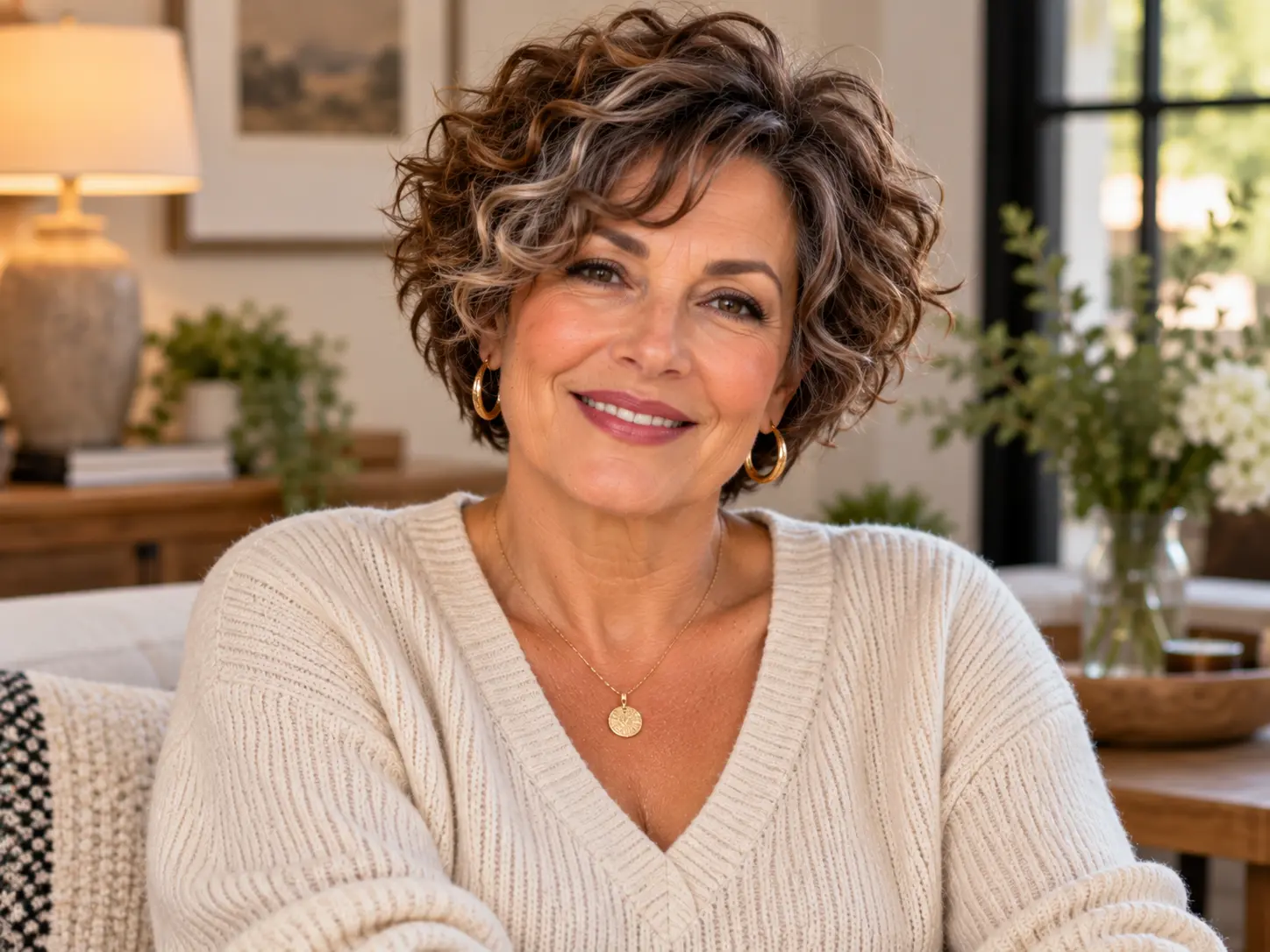
A rounded bixie is shaped around the natural curl pattern to create a balanced outline. The crown and sides are cut with attention to curl spring, so the result does not become unexpectedly short or overly wide when dry.
For curly hair, the consultation matters as much as the reference photo. Curl size, density, shrinkage, and the direction in which curls grow can all affect the finished silhouette.
Styling idea: Use a curl-friendly leave-in or styling product suited to your hair, then let the curls form with minimal brushing once dry.
10. Salt-and-Pepper Textured Bixie
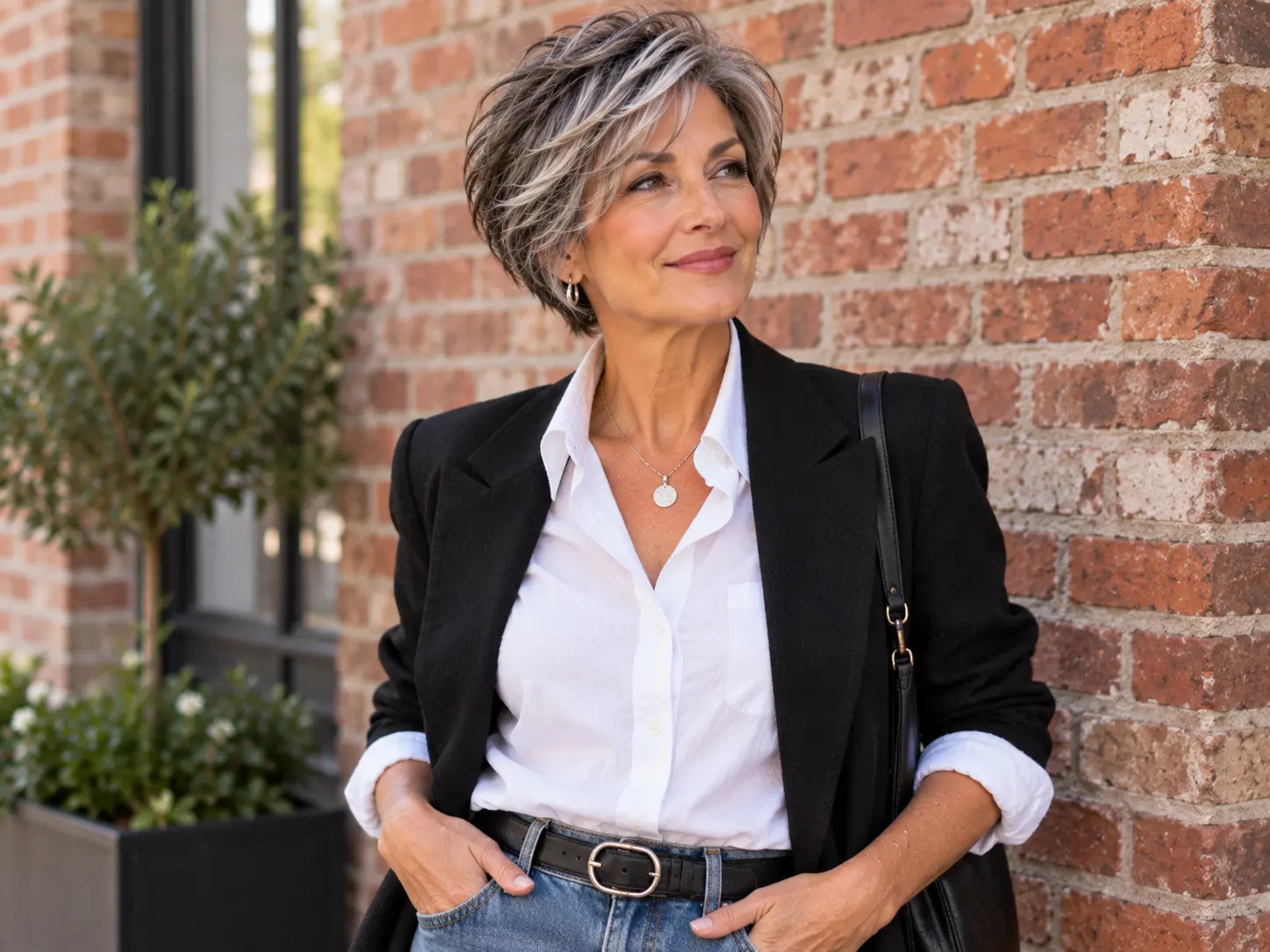
Salt-and-pepper hair pairs naturally with a textured bixie because the mix of darker and lighter strands can make the different lengths more visible. Soft texture through the crown and sides gives the cut movement while keeping the overall outline wearable.
This look does not require a dramatic color change. The focus is on shaping the existing hair so that the mix of tones and layers works together.
Styling idea: Use a small amount of matte or natural-finish styling paste if you want to separate a few pieces. Start with less product than you think you need, especially if your hair is fine.
11. Bixie with a Lifted Crown
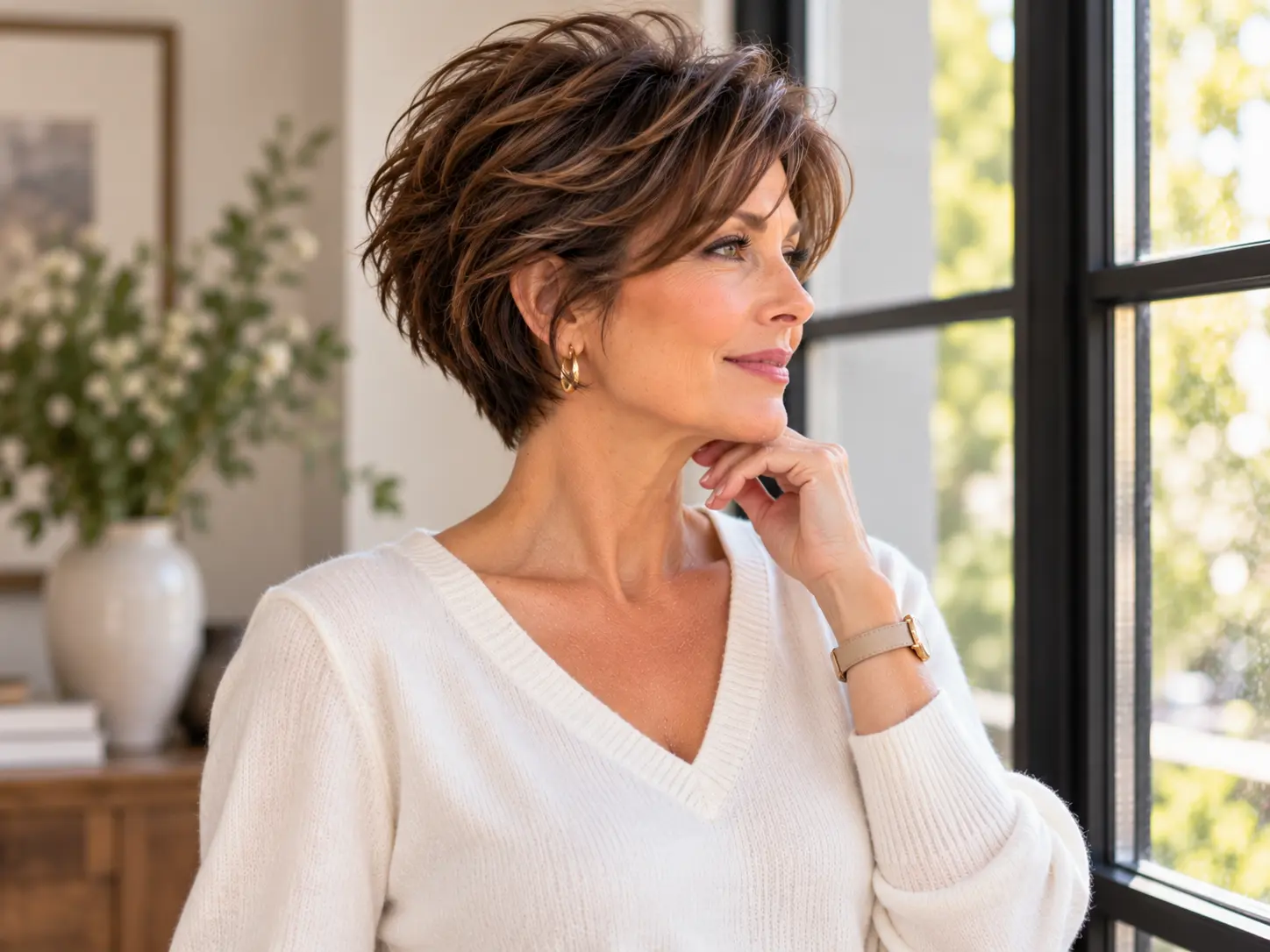
This version emphasizes gentle height at the crown while keeping the sides and nape relatively balanced. It is a shape-focused option rather than a separate haircut length: your stylist can adapt it to a softer or more structured bixie.
A lifted crown may suit people who enjoy some volume on top, but it should not depend on teasing or heavy styling every morning. Your natural growth pattern and hair density will determine how much lift the cut can maintain on its own.
Styling idea: Direct the roots upward while drying, then let the hair cool before arranging the layers. A lightweight root-lifting product may help if your hair tends to fall flat.
12. Sleek Bixie with a Side Part
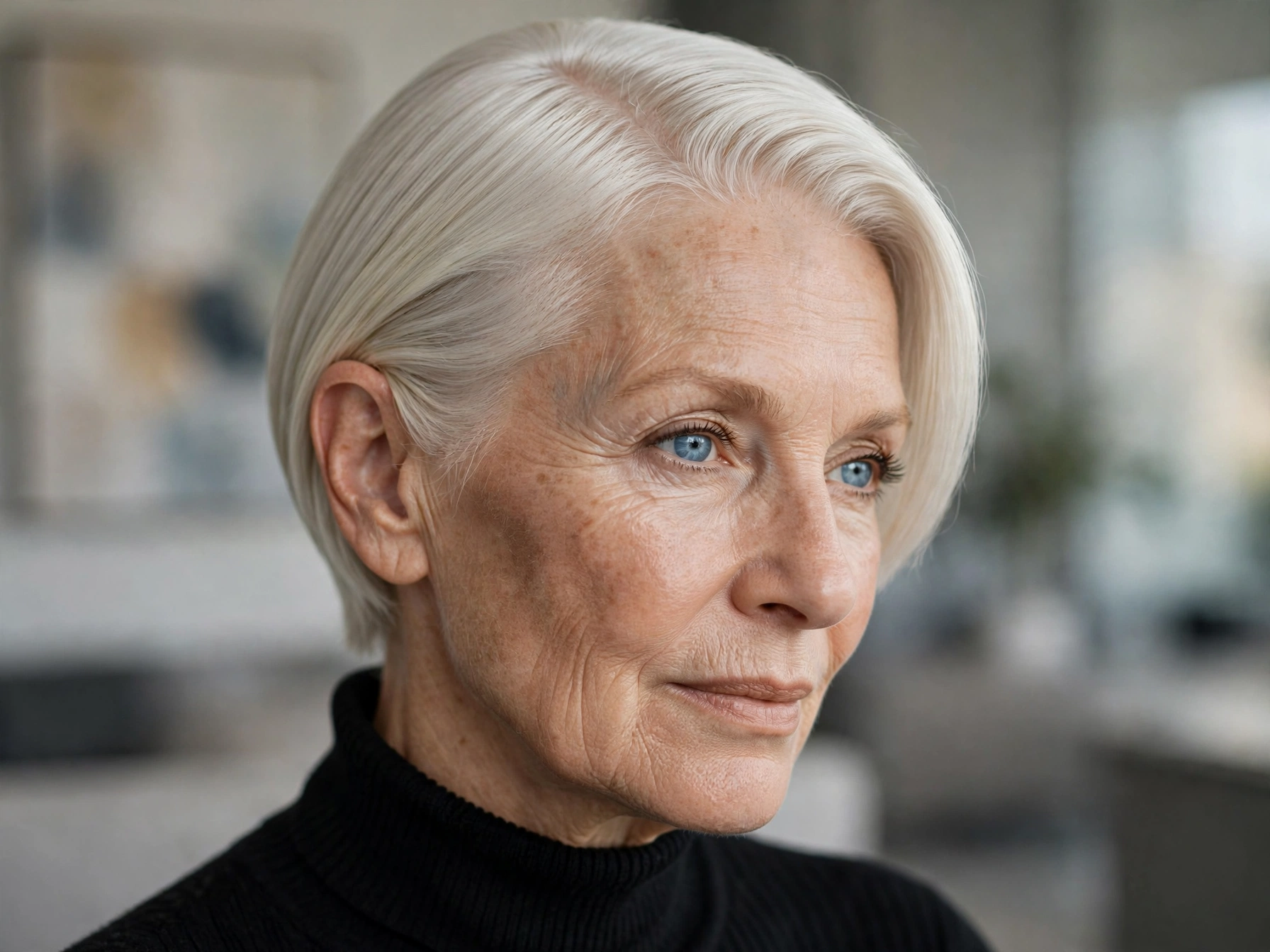
A sleek bixie uses a clear side part and smoother styling to emphasize the haircut’s outline. The sides sit closer to the head, while the longer front section gives the shape a little movement.
This is a useful reference if you prefer a neat finish over a tousled one. The cut still needs enough layering to keep it from feeling like a short, heavy bob, but the texture should remain controlled.
Styling idea: Use a heat protectant before blow-drying and direct the hair along its natural part. Finish with a light smoothing product only where needed.
13. Tousled, Piecey Bixie
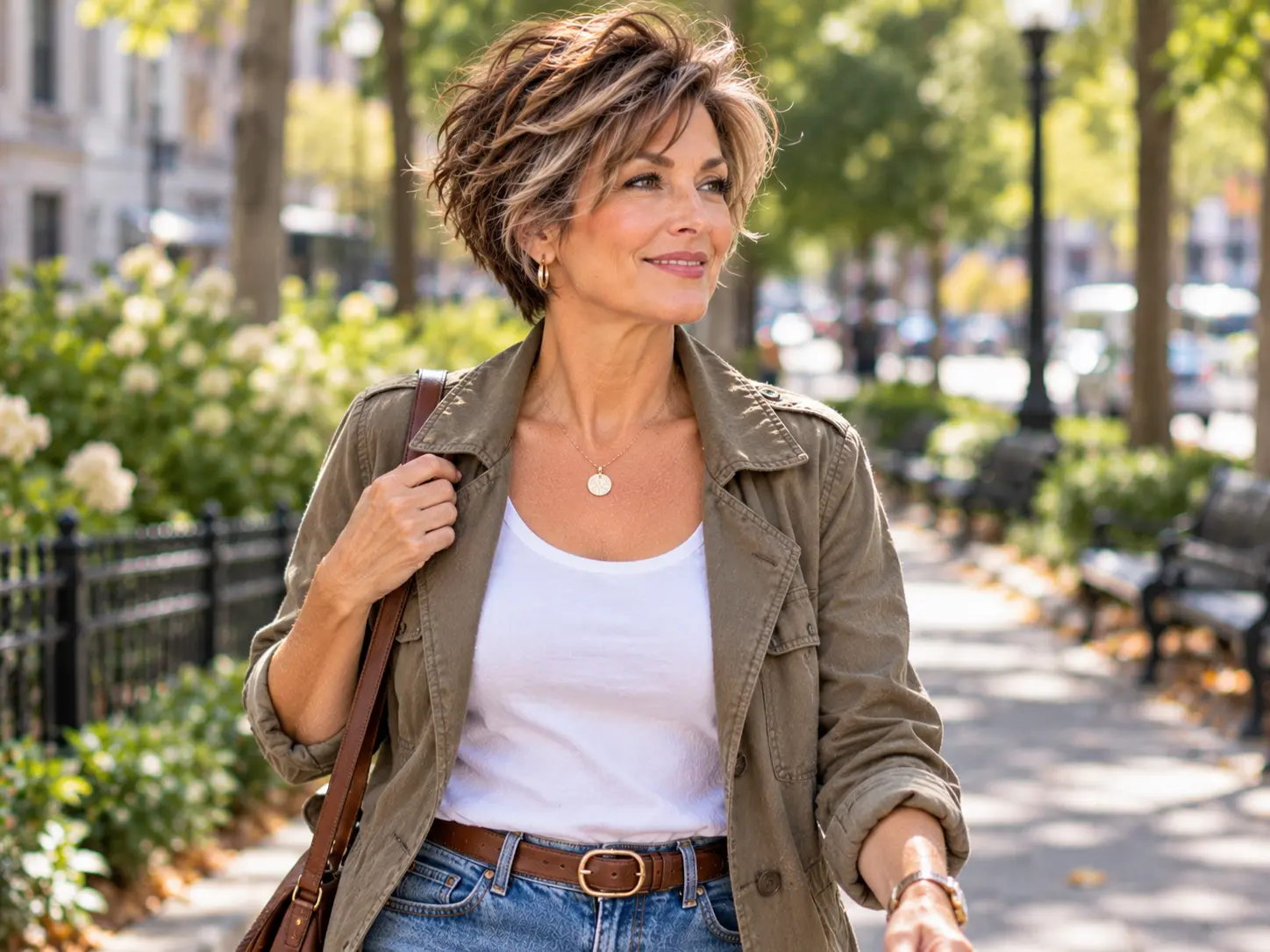
A tousled bixie has separated sections and a relaxed finish. The layers are arranged so that selected pieces can be lifted or directed in different ways, creating texture without making the entire haircut look uneven.
This option is more about styling and surface texture than a specific length. It can be adapted to straight or slightly wavy hair, provided the underlying cut has enough shape to support the finish.
Styling idea: Warm a small amount of lightweight styling paste between your palms, then define a few sections with your fingertips. Avoid coating the entire head, which can weigh down shorter layers.
14. Bixie with Wispy Forehead Bangs
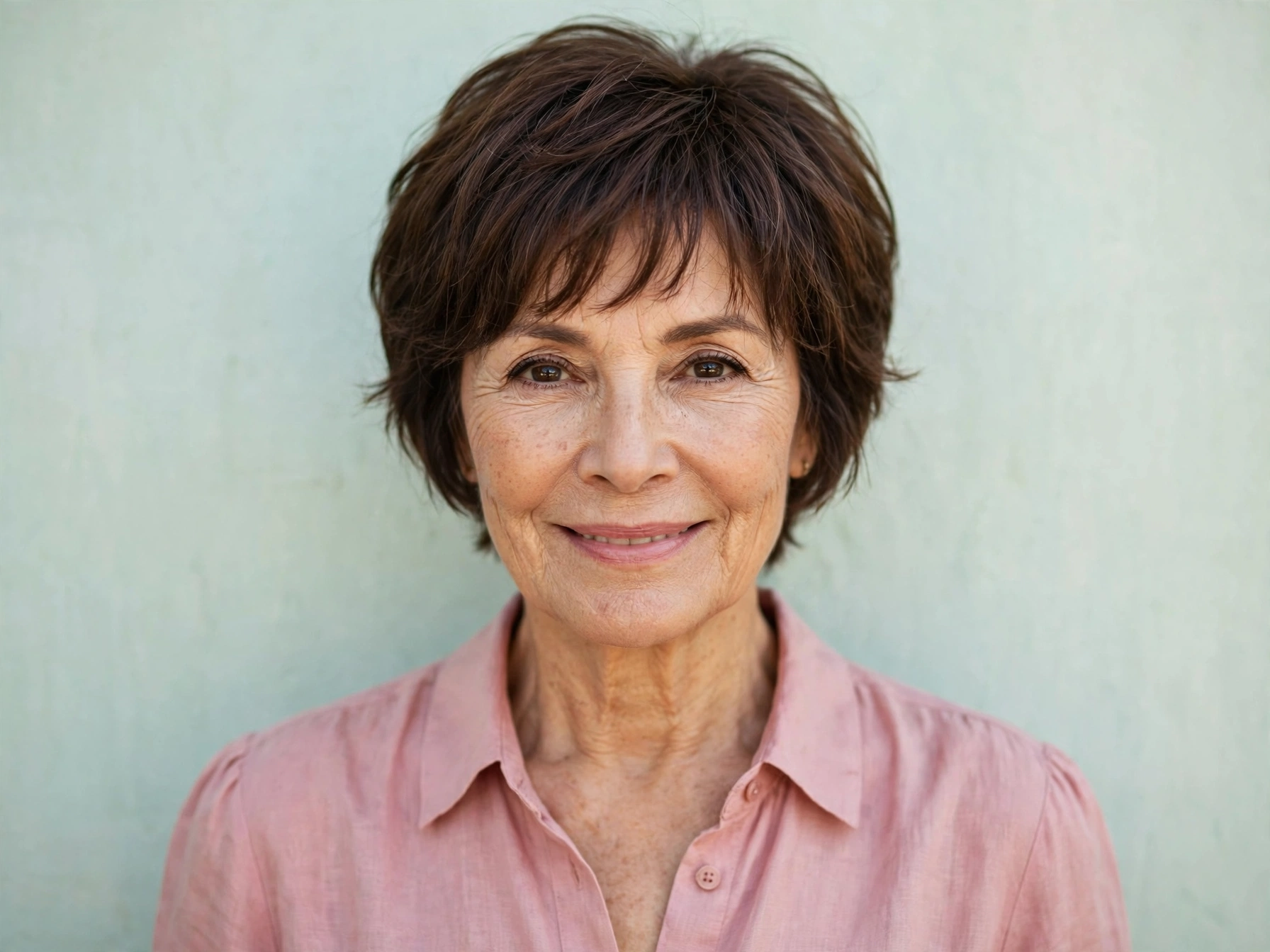
Wispy forehead bangs add a light fringe while allowing some forehead to remain visible. They can be cut to blend into the front layers, giving the bixie a softer edge than a dense, blunt fringe.
The fringe should be tailored to your hairline, natural part, and the direction in which your hair grows. If your front sections separate easily or form a cowlick, discuss those details before choosing the exact length.
Styling idea: Arrange the fringe while damp and let it dry in its intended direction. Keep the product light so the individual strands remain flexible.
15. Soft Graduated Bixie
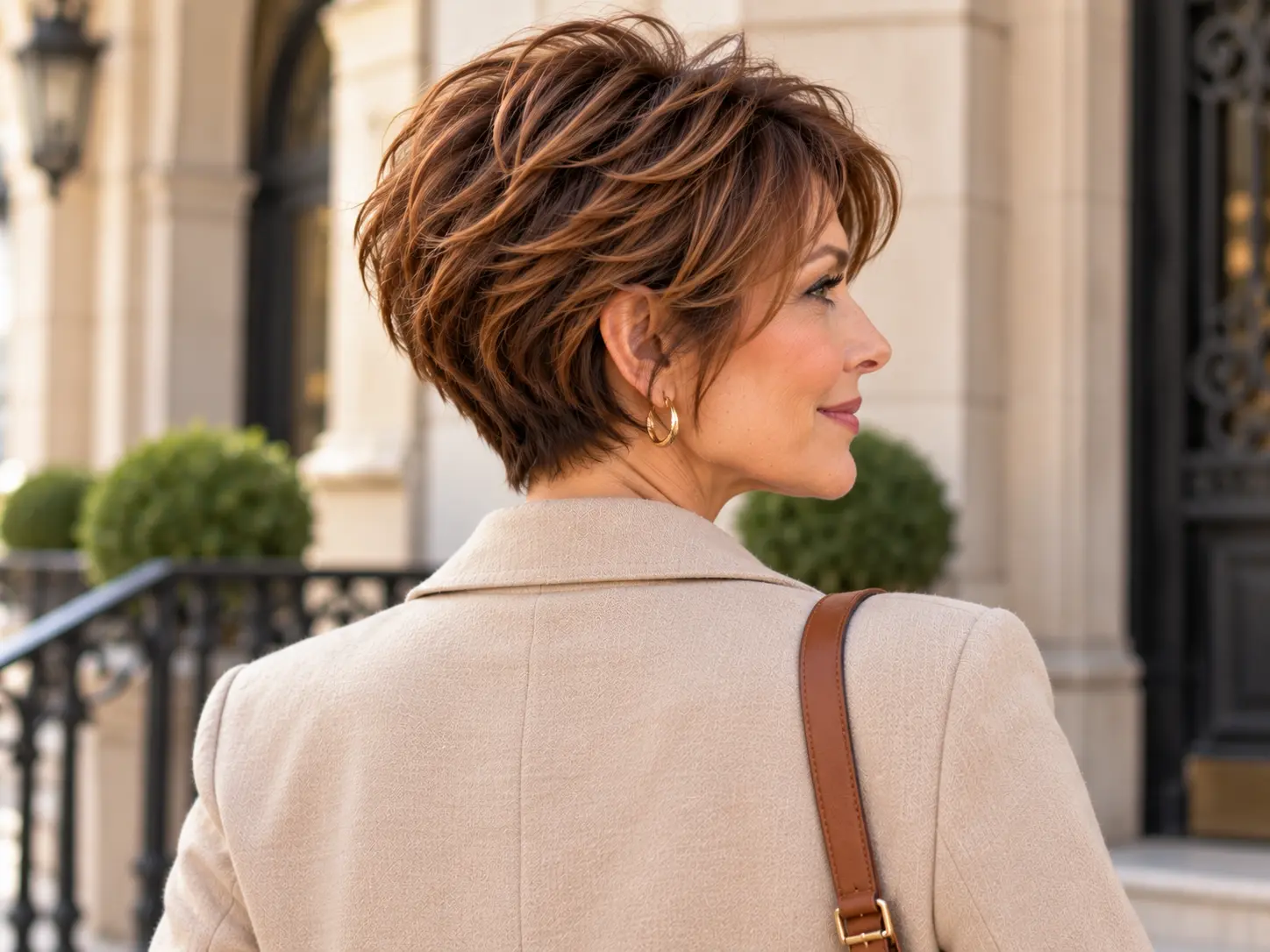
A soft graduated bixie uses a subtle change in length from the nape toward the crown and front. The graduation gives the back some shape while the longer sections prevent the cut from feeling too abrupt.
The result can be polished without looking rigid. Ask for a gradual transition rather than a dramatic stacked back if you prefer a softer silhouette.
Styling idea: A quick blow-dry with a small brush can help define the back and sides. If you prefer lower-effort styling, ask your stylist to shape the cut around the way your hair naturally falls.
How to Choose a Bixie for Your Hair Type
Fine hair
Ask for strategic layers that create movement without removing too much density from the ends. A soft layered or airy bixie may be a useful starting point. Your stylist should also assess whether your crown needs lift and whether a fringe will sit well with your natural growth pattern.
For more ideas focused on density and shape, see our guide to short haircuts for women over 50 with fine hair.
Thick hair
Thick hair may need internal weight removal and careful shaping around the sides and nape. The aim is to reduce bulk while preserving a balanced outline, not to thin every section indiscriminately. Bring up how much time you want to spend drying and styling your hair.
Wavy or curly hair
Choose a stylist who understands how your texture changes as it dries. Waves may create extra movement around the crown, while curls can spring up more than expected. Discuss whether the cut will be shaped on wet hair, dry hair, or a combination of both, and ask how to maintain the silhouette between appointments.
Straight hair
Straight hair makes the outline and transitions between lengths especially visible. A carefully balanced cut can help the layers look intentional even when the hair is not curled or tousled. If you prefer a sleek finish, tell your stylist how much texture you want at the ends.
Gray, silver, and salt-and-pepper hair
Your natural color can work with the shape rather than becoming a separate styling project. Silver and salt-and-pepper hair may show texture differently under different lighting, so look at reference photos with a similar hair density and texture to yours. Color services are optional; the haircut should still work with your natural shade.
How to Style and Maintain a Modern Bixie
A bixie can be styled in several ways, but the easiest routine starts with a cut that works with your natural hair rather than against it.
- Start with a manageable cut. Tell your stylist how much time you realistically want to spend styling your hair.
- Use lightweight products. Short layers can lose movement when overloaded with heavy creams, oils, or waxes.
- Adapt the finish to your texture. Straight hair may benefit from controlled blow-drying, while wavy or curly hair may look better with a product that supports its natural pattern.
- Protect your hair from heat. Use a suitable heat protectant before using hot tools and avoid unnecessarily high temperatures. For additional guidance, consult the American Academy of Dermatology’s hair-styling recommendations.
- Plan for shape maintenance. Shorter styles often show growth more quickly than longer cuts. Ask your stylist how frequently your particular bixie is likely to need a trim rather than following a fixed schedule.
- Take photos of your preferred angles. A front view alone may not show the nape, crown, or side profile that makes a bixie distinctive.
If easy upkeep is your priority, our guide to low-maintenance short hairstyles for women over 50 offers additional options to compare.
What to Ask Your Hairstylist Before Getting a Bixie
Before committing to a shorter shape, discuss how the haircut will work with your own hair and routine. These questions can help:
- How much length will remain around my ears, nape, and front?
- Will the cut work with my natural texture and hairline?
- Where would you place the layers to maintain movement without removing too much density?
- How will the shape look from the side and back?
- Can I style it without a daily blowout?
- What will it look like as it grows out?
- How often might I need a trim to maintain this particular shape?
Bring one or two reference photos that show the length and silhouette you like. It is also useful to show what you do not want, such as a very short nape, heavy fringe, or strongly stacked back.
Frequently Asked Questions
What is the difference between a bixie and a pixie?
A bixie generally combines a pixie’s shorter, layered shape with more length around the sides, front, or back. A classic pixie is usually more cropped, although both cuts come in many variations.
Is a bixie the same as a bob?
No. A bob typically has a more continuous outline and more length through the sides. A bixie is usually shorter and more layered through the crown, with a softer, more compact shape.
Can women over 50 wear a bixie with gray hair?
Yes. A bixie can be cut for natural gray, silver, white, or salt-and-pepper hair. The best shape depends on your hair texture, density, and preferred styling routine, not simply your age or hair color.
Is a bixie a good option for fine hair?
It can be, especially when the cut uses strategic layers and preserves enough fullness at the ends. However, the result depends on your individual density and growth pattern. Ask your stylist to avoid excessive thinning if your hair is already fine.
Is a bixie easy to maintain?
It can be manageable if the shape suits your natural texture and you choose a styling routine you can maintain. Shorter cuts may need more frequent trims to retain their outline, so ask your stylist about the upkeep of your specific version.
Can a bixie work with naturally curly or wavy hair?
Yes, but the cut should account for curl pattern, shrinkage, and how your hair expands as it dries. A stylist experienced with your texture can help you choose a length and shape that remain balanced.
Final Thoughts
A modern bixie offers a middle ground between a cropped pixie and a longer bob. From a soft layered shape to a sleek side-parted finish or a rounded curly version, the best choice is the one that works with your hair’s natural texture and your everyday routine.
Use these 15 ideas as a starting point, then discuss the length, fringe, crown, and nape with your stylist. A reference photo can communicate the shape you like, but a personalized cut will always need to account for how your own hair grows, falls, and behaves between appointments.