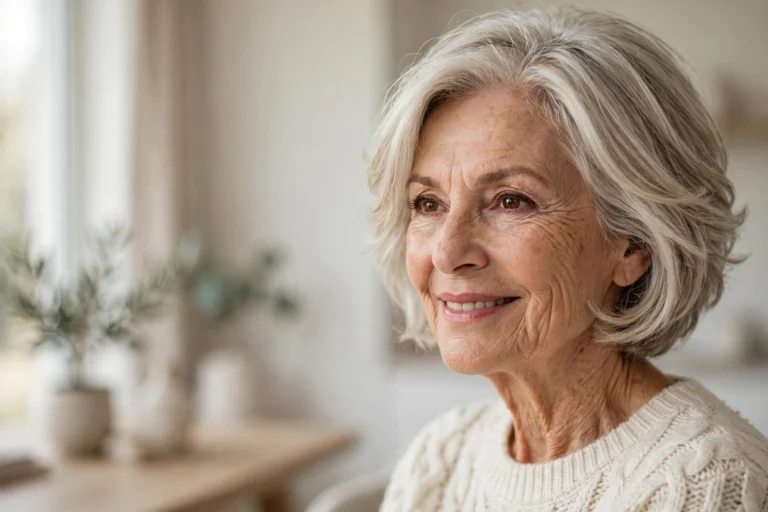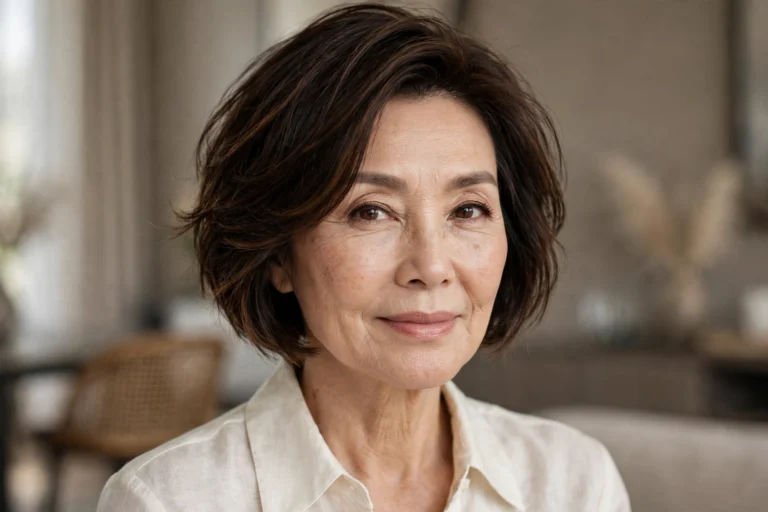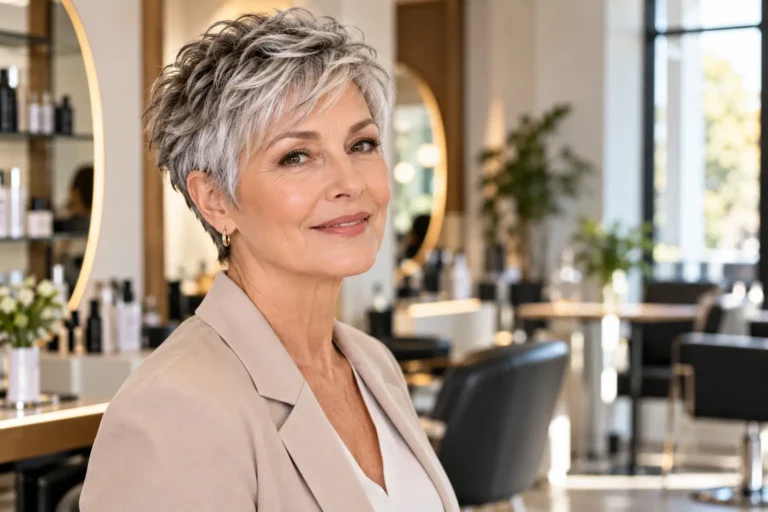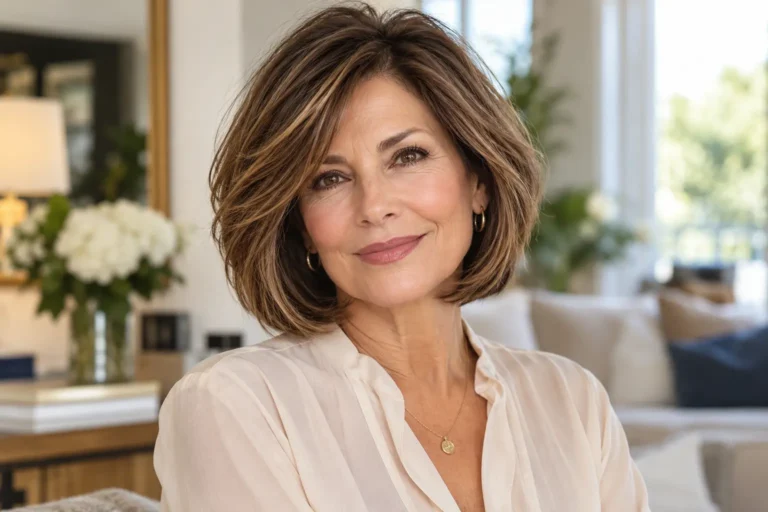
25 Best Pixie Haircuts for Women Over 50: Modern, Flattering Ideas
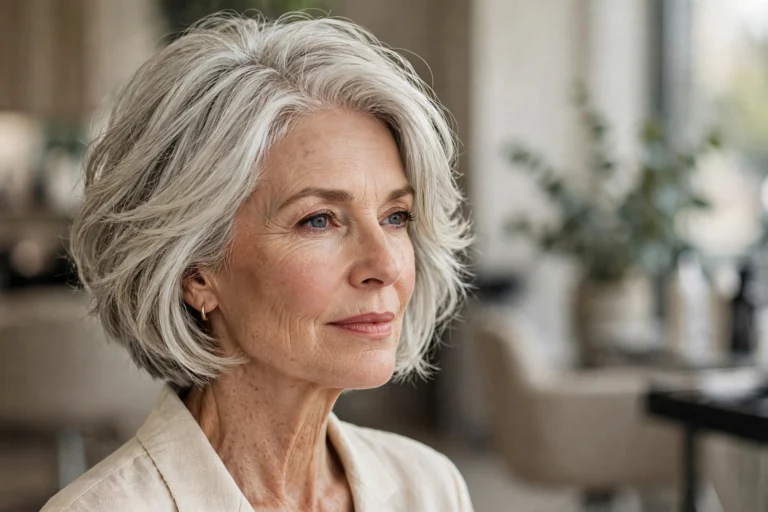
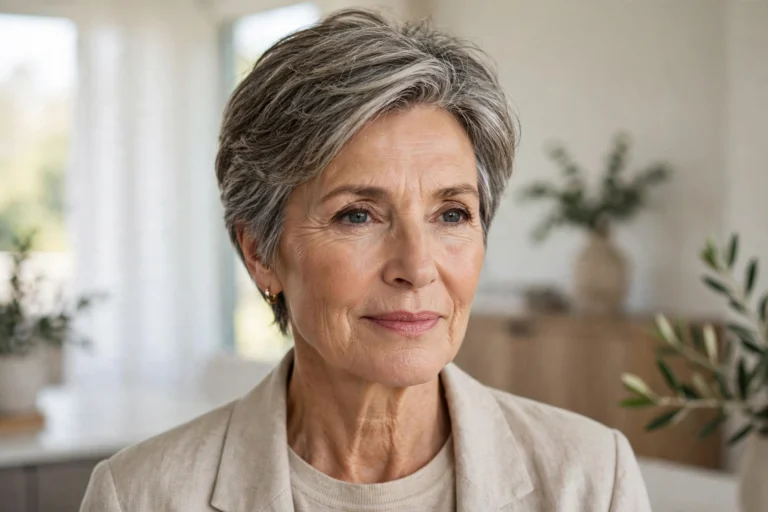
Thinking about going shorter? Pixie haircuts for women over 50 can feel modern, polished, and surprisingly versatile. The best version is not necessarily the shortest one: small changes in crown layers, fringe, tapering, and texture can make a pixie feel tailored to your hair type and daily routine.
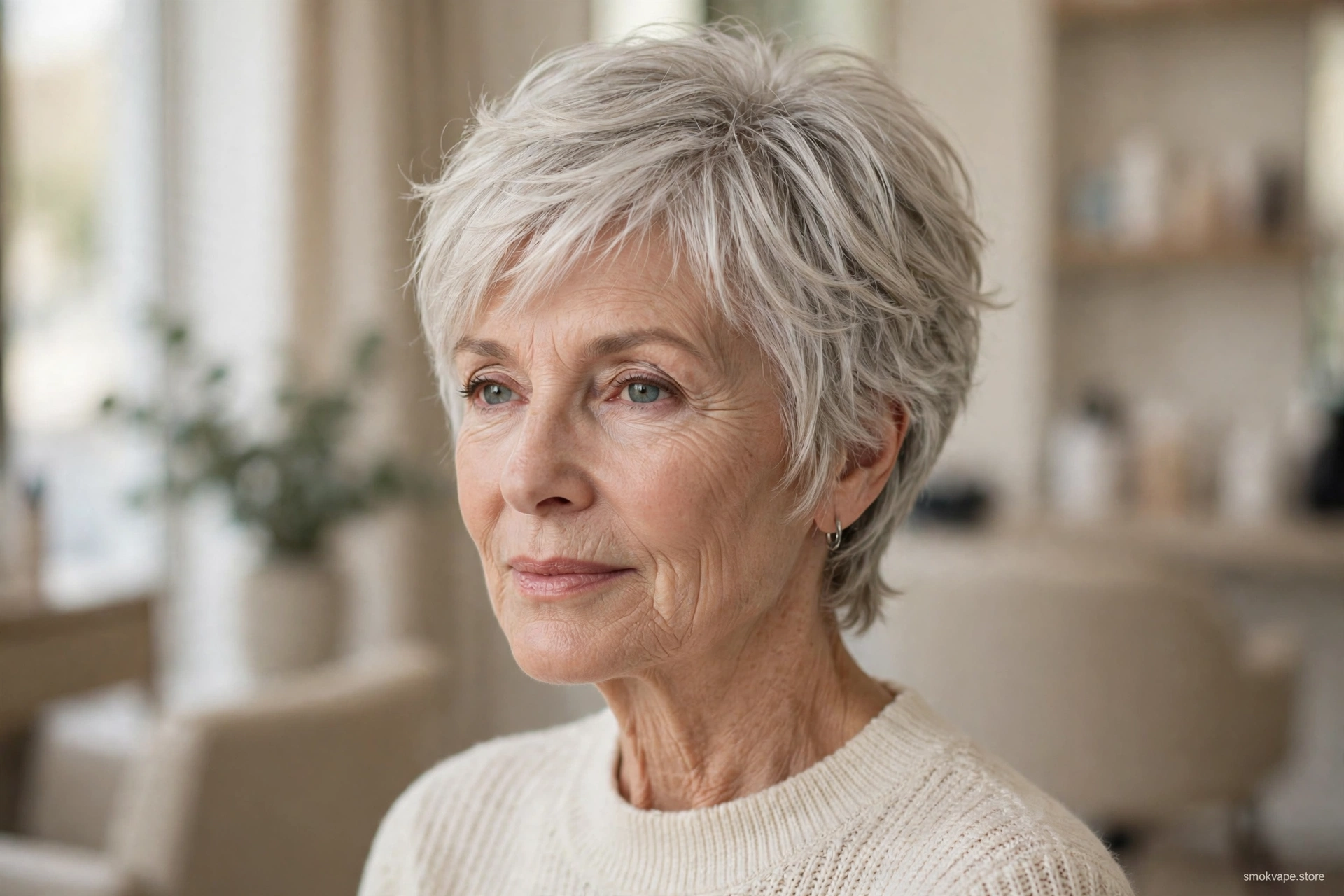
This guide explores 25 pixie haircut ideas, from classic tapered shapes to longer fringe styles, curly pixies, and silver cuts. Use the examples as inspiration for a conversation with your stylist; your hair density, growth pattern, face shape, and preferred maintenance level will help determine the best variation.
How to Choose a Pixie Haircut After 50
- Consider your hair texture: fine hair may benefit from light, strategic layers; thick hair often needs internal weight removal and a balanced outline.
- Think about styling time: a close tapered pixie may be quick to style but needs regular trims. A longer pixie or bixie can offer more styling flexibility between appointments.
- Plan around your natural texture: waves and curls can look beautiful in a pixie when the cut respects their spring and direction.
- Choose fringe deliberately: side-swept or wispy bangs can soften the front, while a lifted top creates a more directional silhouette.
For general hair-care guidance, the American Academy of Dermatology’s hair-care advice is a useful reference for gentle everyday care.
25 Pixie Haircuts for Women Over 50
1. Soft Layered Pixie
Soft, blended layers create movement without a heavily choppy finish. This is a versatile choice for women who want a short cut that still feels feminine and easy to shape.
2. Classic Tapered Pixie
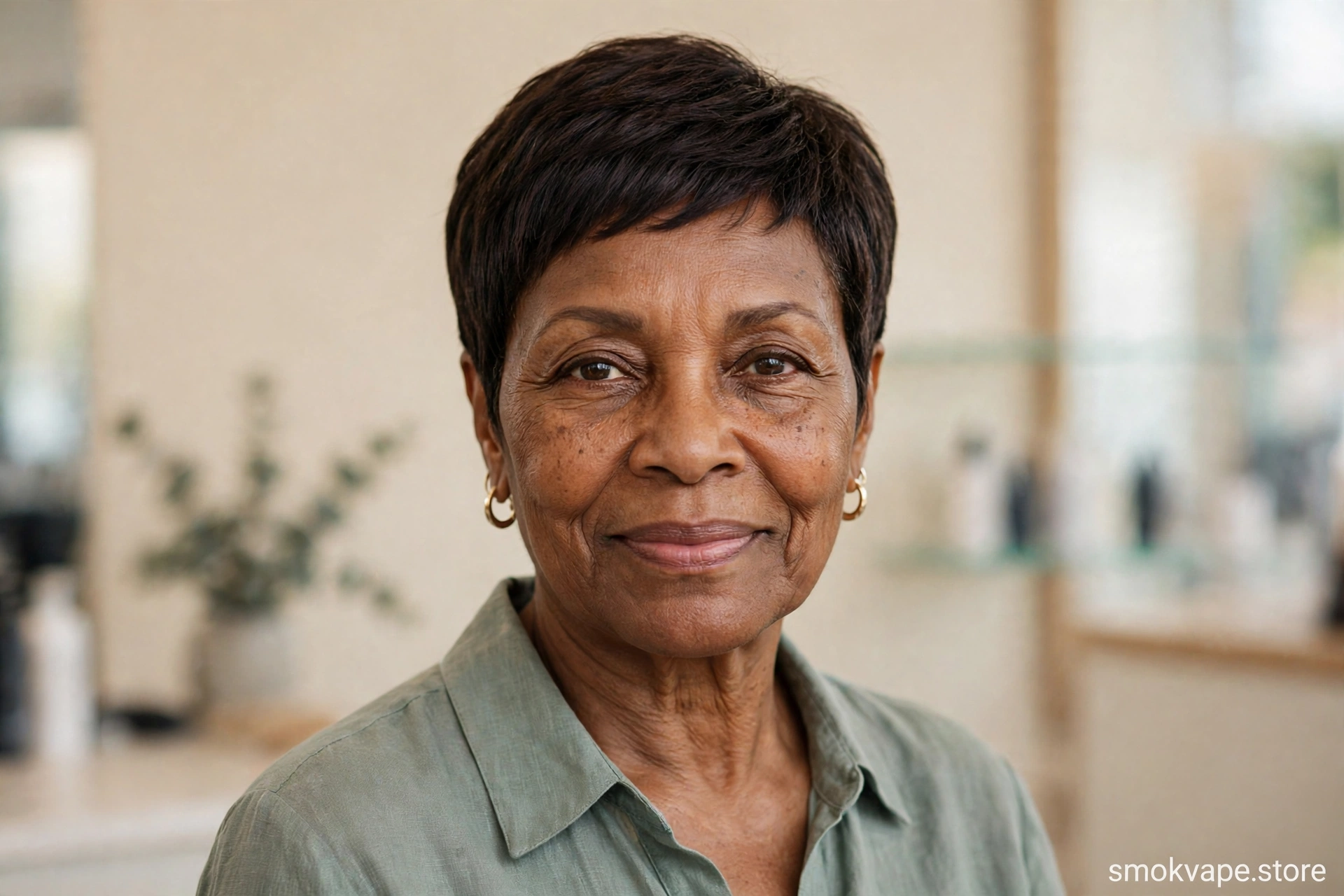
The sides and nape are cut closer while the top remains slightly longer. Ask your stylist to keep the taper soft if you prefer a less dramatic contrast.
3. Textured Pixie Crop
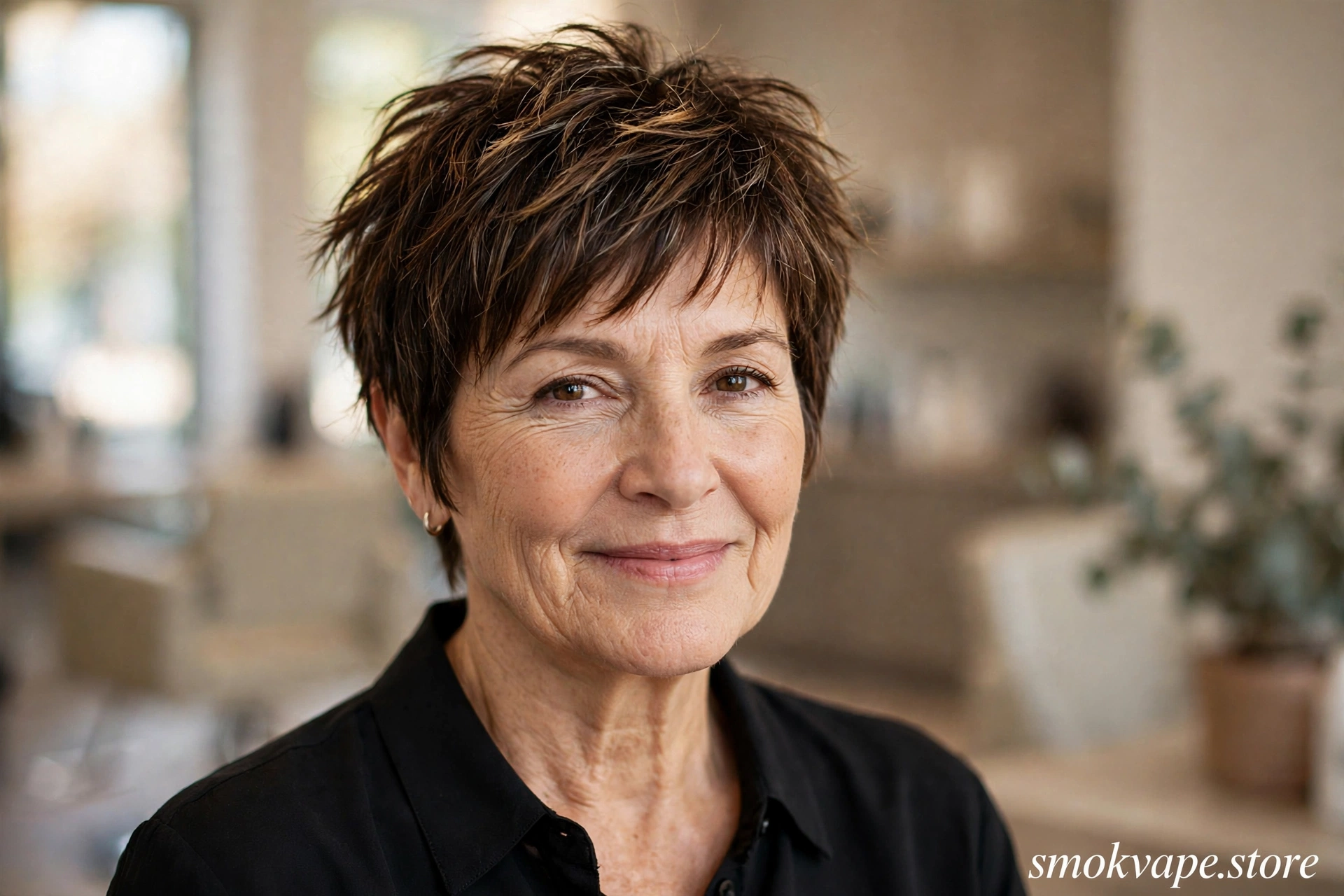
Piecey layers add definition and a relaxed finish. A small amount of lightweight styling paste can separate the ends without making the hair look stiff.
4. Long Side-Swept Pixie
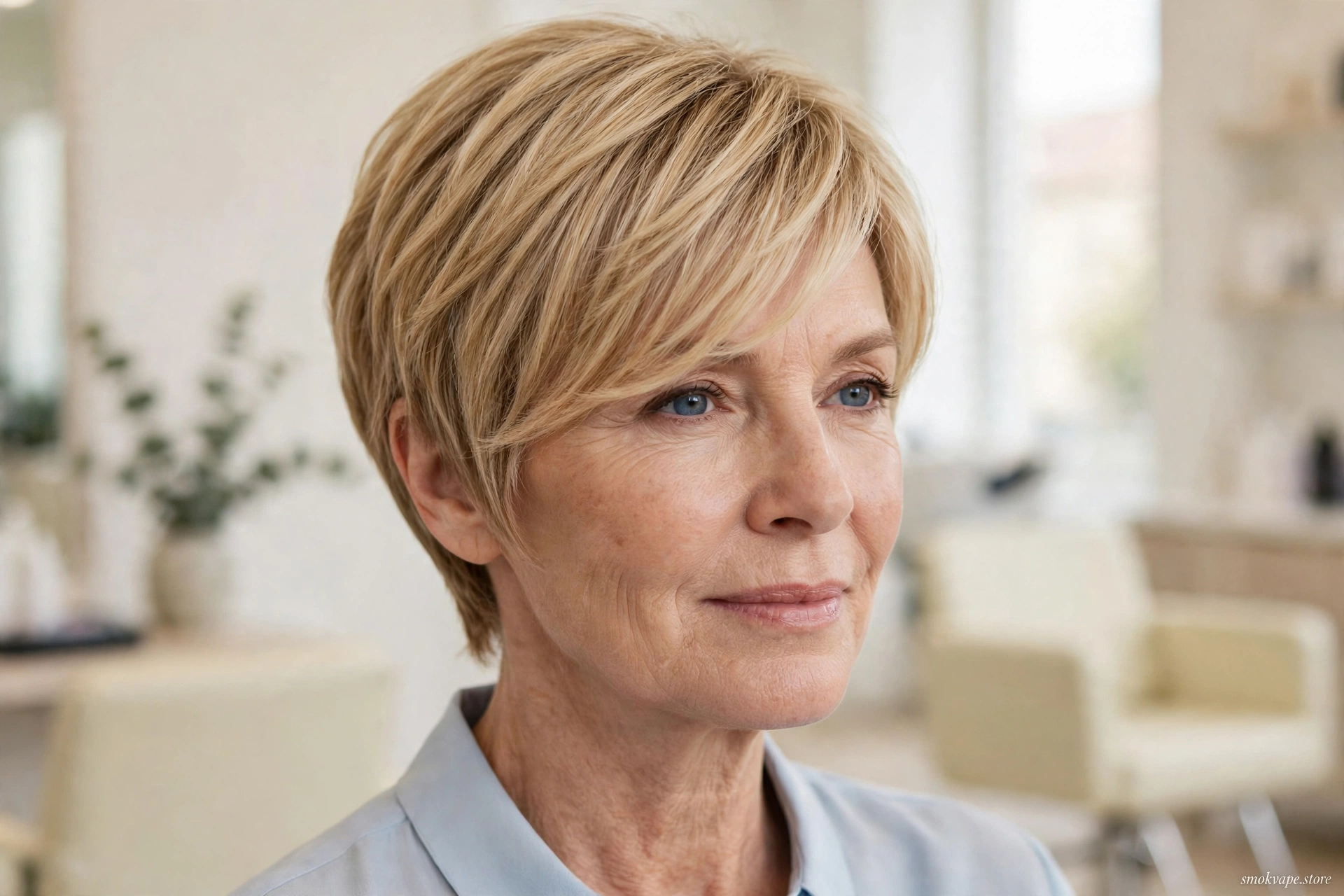
A longer fringe brings movement across the forehead and gives you options to sweep the hair to one side or wear it forward.
5. Pixie Bob (Bixie)
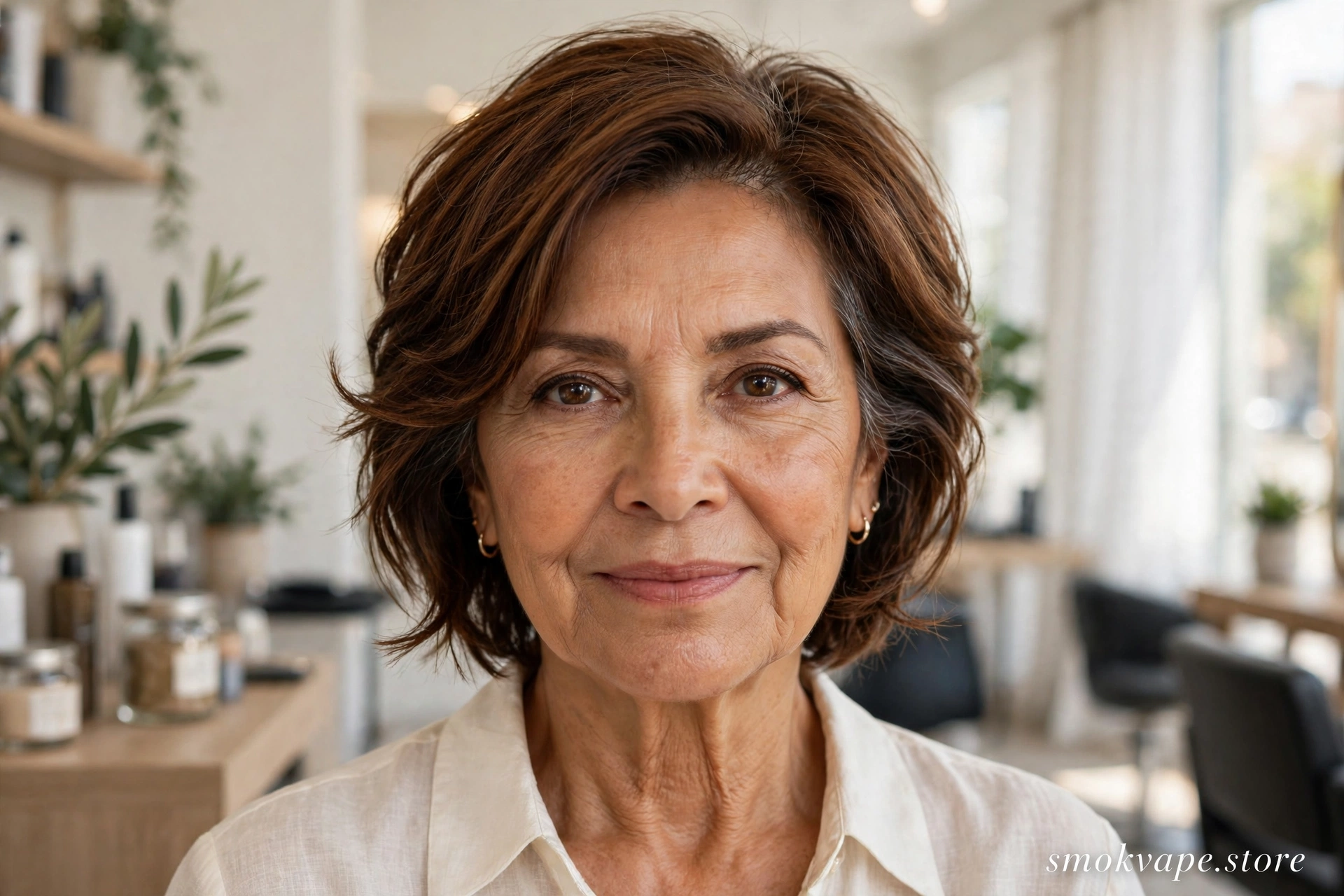
The bixie blends a pixie’s short layers with a bob’s slightly longer outline. It is worth considering if you like short hair but are not ready for a very close crop.
6. Feathered Pixie
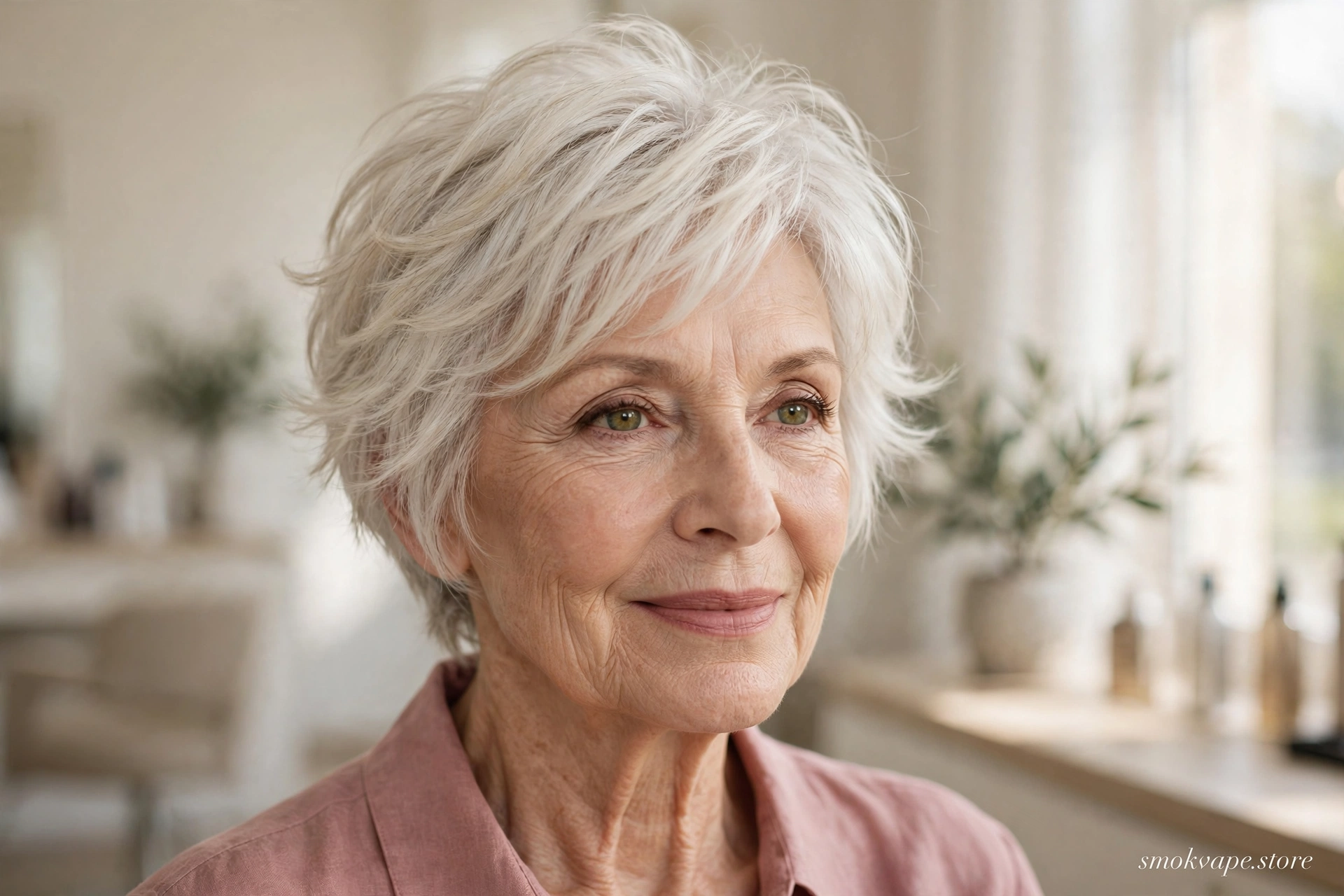
Feathered ends create a light, airy shape around the temples and crown. This look works best when the layers are adapted to the hair’s natural density.
7. Natural Silver Pixie
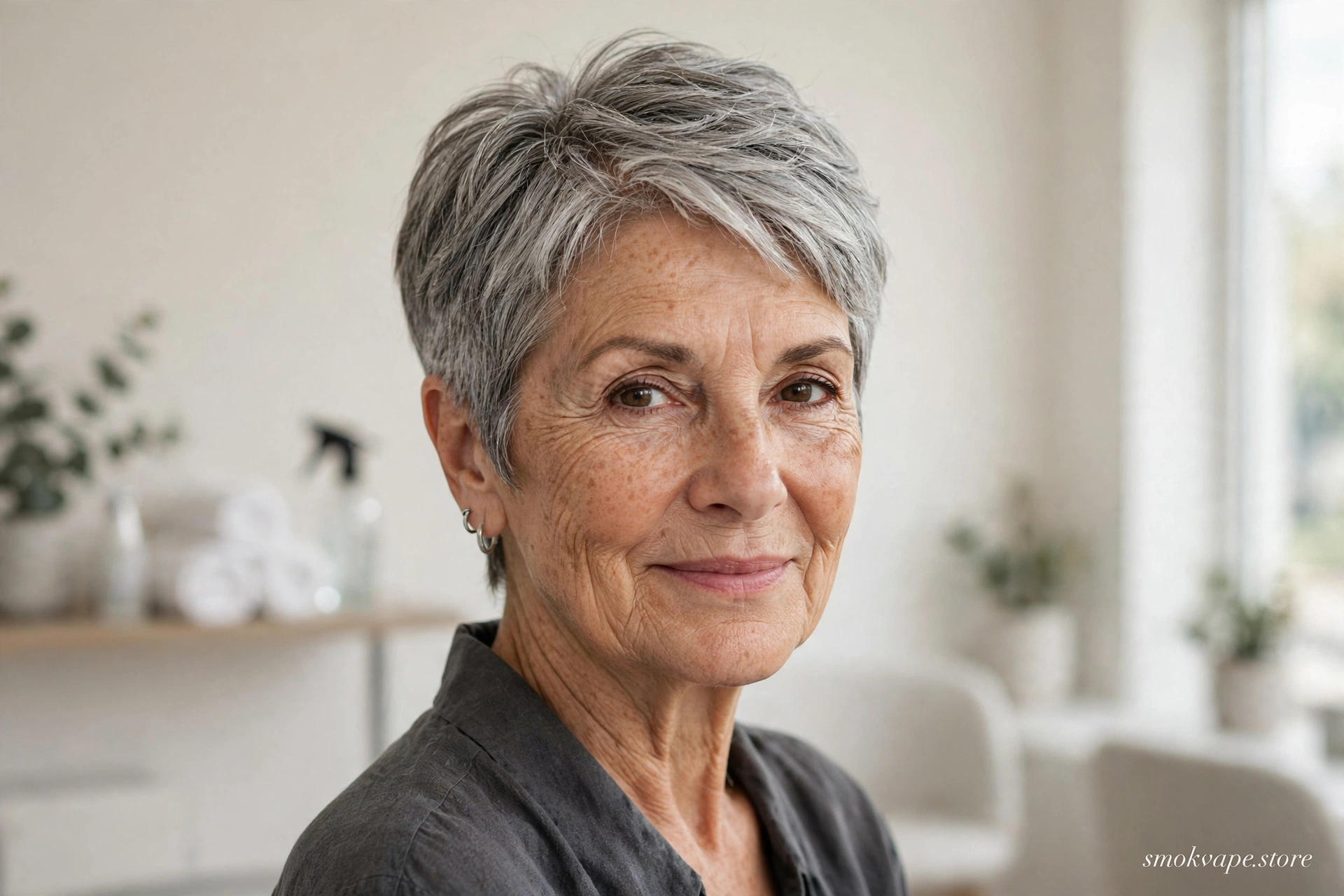
A silver or salt-and-pepper pixie celebrates natural color. Ask for a shape that works with your natural part and the way your gray strands grow.
8. Asymmetrical Pixie
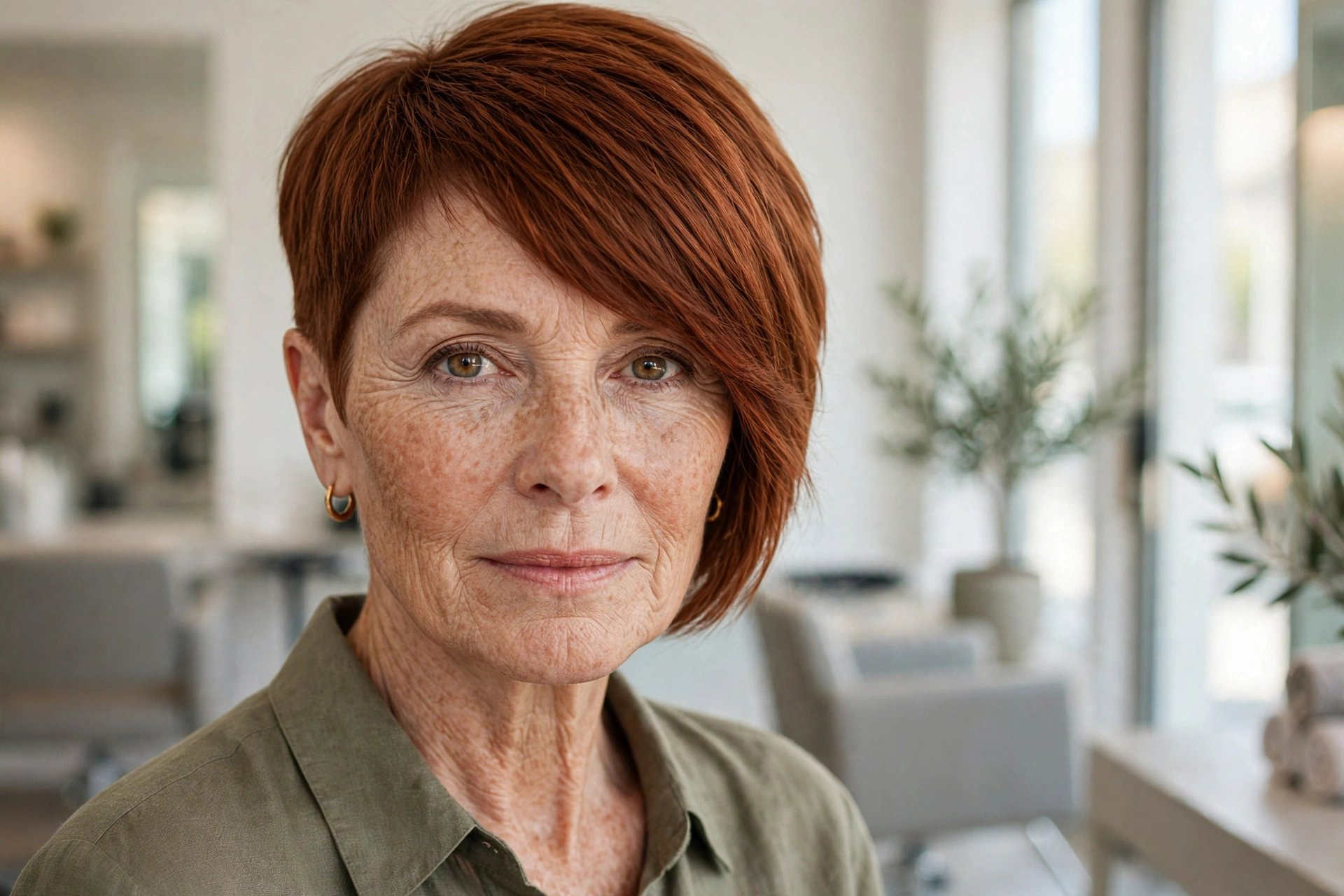
One side is left longer than the other for a directional, contemporary shape. It can be subtle or bold depending on the length difference.
9. Curly Pixie
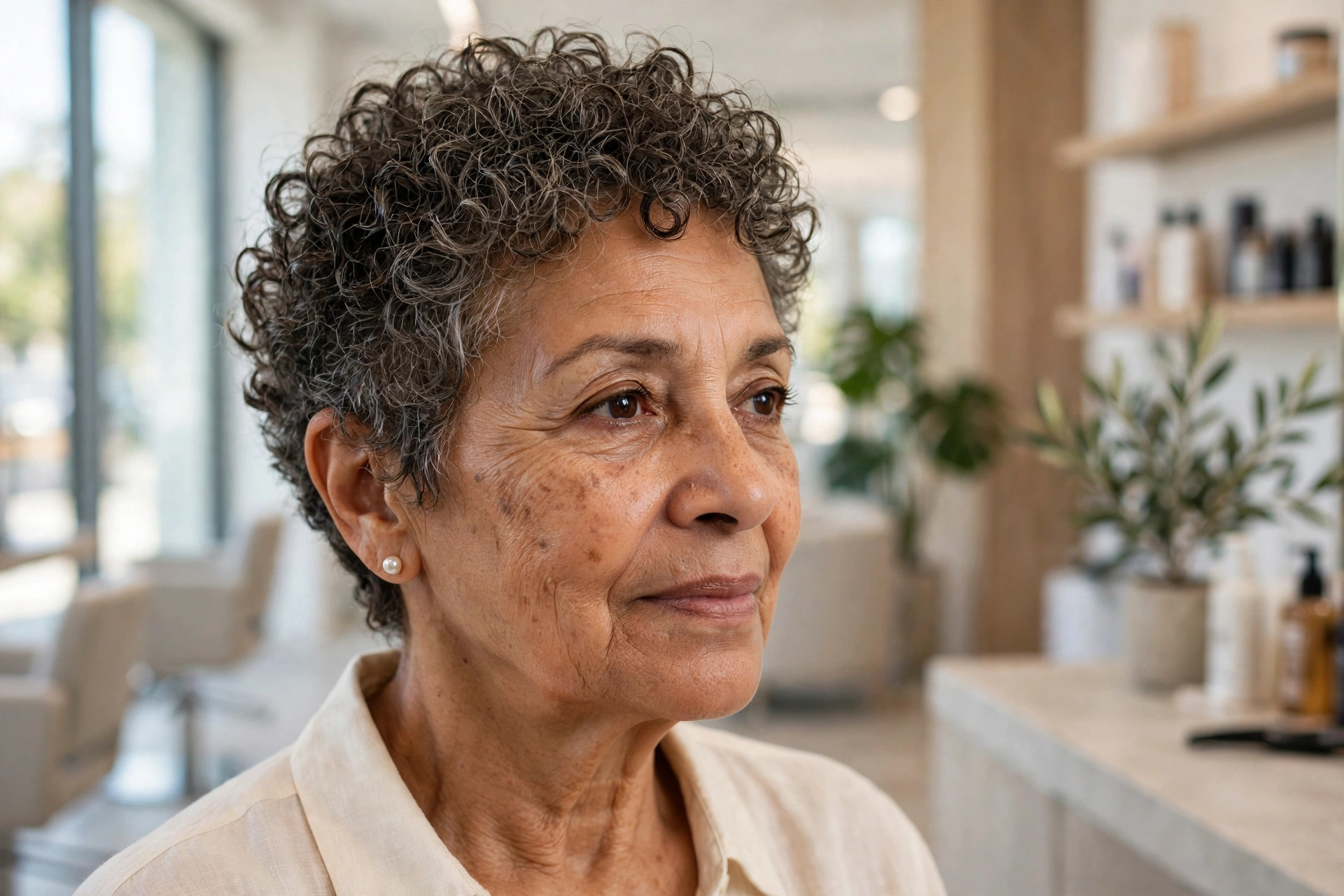
A curly pixie keeps the natural curl pattern visible while shaping the sides and back. Ask your stylist how the curls will spring up once dry.
10. Pixie with Wispy Bangs
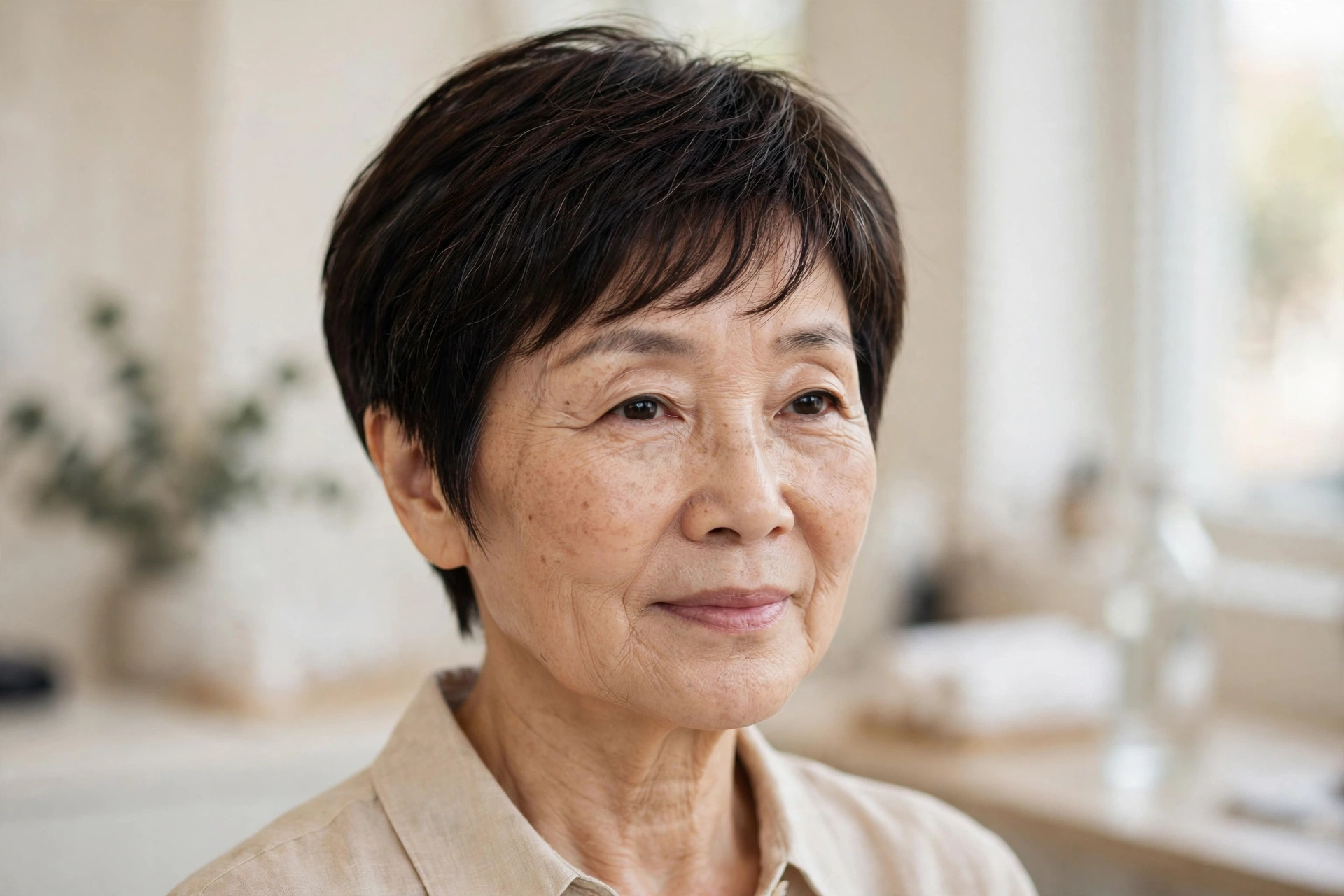
Light bangs add softness without the weight of a thick fringe. They are especially flexible when cut to sit naturally rather than needing precise daily styling.
11. Undercut Pixie
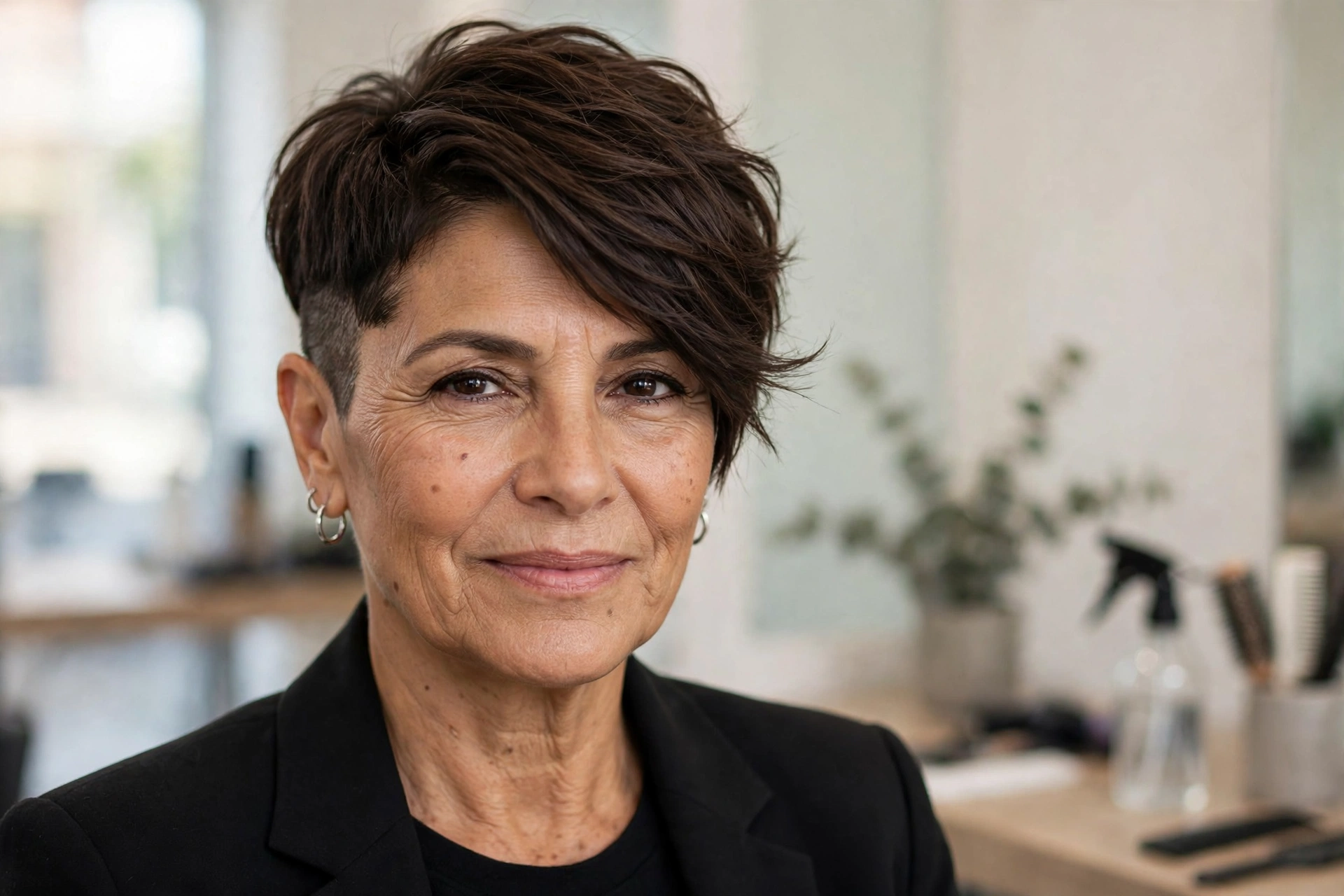
An undercut pairs shorter sides or nape with a longer top. It is a confident option for anyone who likes clear shape and contrast.
12. Tousled Bedhead Pixie
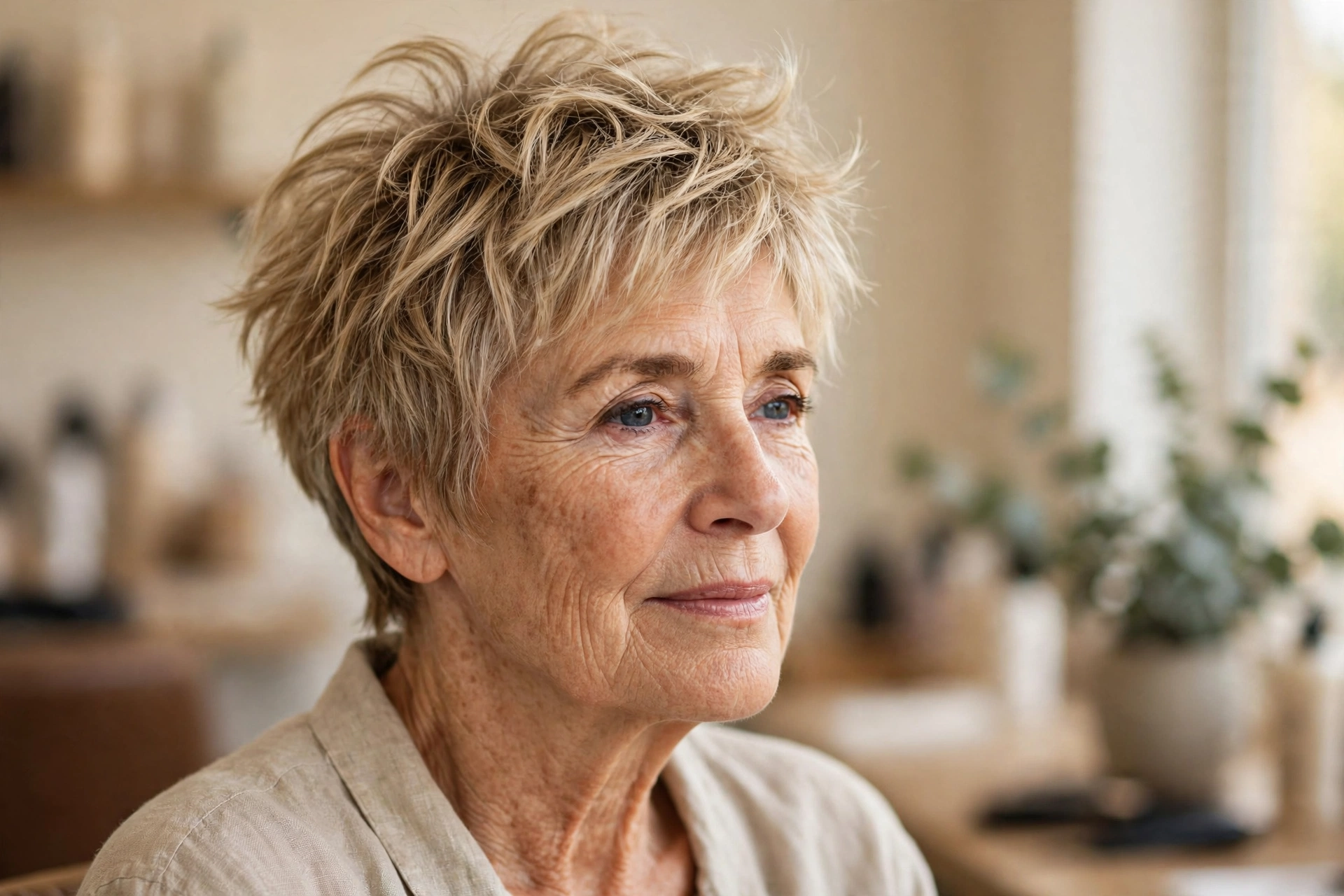
Uneven, airy layers create an intentionally relaxed finish. Work a small amount of styling cream through the ends and let the texture remain imperfect.
13. Rounded Pixie
A softly rounded silhouette follows the head shape and gives the cut a neat, balanced outline. It is a good reference photo to bring if you prefer a classic rather than edgy finish.
14. Pixie with Crown Volume
Extra length at the crown creates lift and a little height. The stylist should balance the top with the sides so the shape does not become top-heavy.
15. Sleek Side-Part Pixie
A defined side part gives a short haircut a polished look. A light smoothing cream can help control flyaways while keeping the hair touchable.
16. Longer-Top Pixie
Keeping the top longer creates several styling options: swept back, pushed forward, or directed to one side. This variation suits people who enjoy changing their look.
17. Choppy Pixie
Visible, separated layers give the haircut a lively, piecey finish. Ask for controlled texture rather than excessive thinning if your ends are already delicate.
18. Soft-Fringe Pixie
A short, blended fringe can bring attention to the eyes without dominating the haircut. The length should be adjusted to your hairline and styling habits.
19. Tapered Nape Pixie
A neatly tapered nape keeps the back of the haircut tidy. This detail is particularly useful if you like a clean profile and do not mind regular maintenance appointments.
20. Textured Silver Pixie
Short silver layers show off natural gray dimension. A lightweight product can define the shape without dulling the hair’s natural shine.
21. Fine-Hair Pixie
For fine hair, a compact shape with carefully placed layers can help the top appear fuller. Avoid removing too much weight from already sparse ends; discuss your density with the stylist.
22. Thick-Hair Pixie
Thick hair may need internal shaping to reduce bulk while keeping a clean outline. The goal is movement, not thinning the hair so much that the ends become uneven.
23. Face-Framing Pixie
Slightly longer pieces near the temples and cheekbones soften the outline. Ask your stylist to tailor those pieces to your preferred part and face-framing effect.
24. Wavy Pixie
A wavy pixie uses natural bends for movement and texture. A light curl cream or mousse may be enough; heavy products can flatten shorter waves.
25. Grown-Out Pixie
A grown-out pixie leaves more length around the ears, fringe, and nape. It can serve as a transitional style if you are growing toward a bixie or short bob.
How to Style and Maintain a Pixie
Start with a product suited to your hair: lightweight mousse for lift, a small amount of paste for separation, or curl cream for natural curls. Use a low-to-medium heat setting and direct the hair with your fingers or a small brush. The right trim interval depends on the cut; close tapers usually need more frequent shaping than longer pixies.
For more inspiration, explore our guides to short hairstyles for women over 50, bob haircuts for women over 50, and short hairstyles for women over 60.
What to Ask Your Stylist
- How much length should stay on top for my hair density?
- Would a tapered nape, soft fringe, or longer side pieces suit my growth pattern?
- How much daily styling will this cut need?
- How often should I book a trim to keep this shape?
Frequently Asked Questions
Are pixie haircuts flattering for women over 50?
They can be, especially when the proportions, fringe, and layers are adapted to the individual. Age alone does not determine the best haircut.
Which pixie is best for fine hair?
A soft layered pixie or a compact pixie with modest crown lift can help fine hair look fuller. The cut should preserve enough weight at the ends.
Is a pixie haircut low-maintenance?
Daily styling can be quick, but shorter shapes may need frequent trims. A longer pixie or bixie may offer more flexibility between salon visits.
Can naturally gray hair look good in a pixie?
Yes. A well-shaped silver or salt-and-pepper pixie can highlight natural color variation. Use gentle care products and ask your stylist about your hair’s condition and texture.
Final Thoughts
The best pixie haircut is the one that works with your hair’s natural texture, your styling routine, and the silhouette you enjoy wearing. Save a few reference images, discuss the maintenance required, and ask your stylist to adapt the cut rather than copying a photo exactly.
Disclaimer: Hairstyle results vary with hair texture, density, growth patterns, and individual preferences. Consult a qualified stylist for personalized advice.