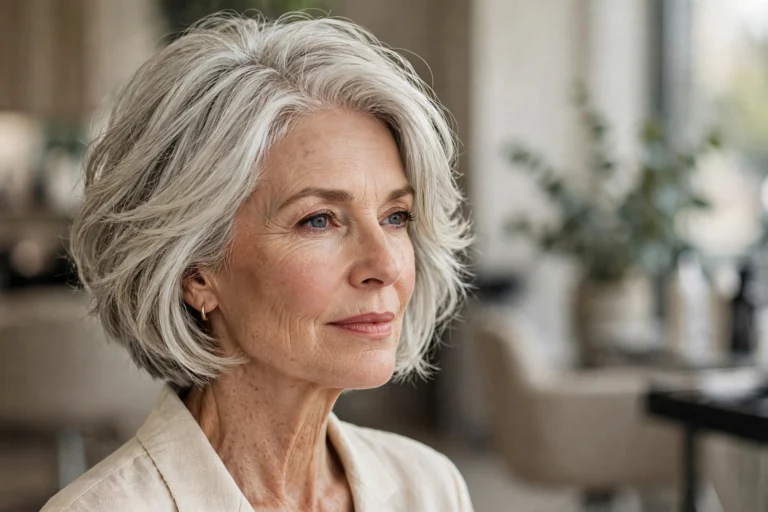
15 Stunning Long Layered Bob Haircuts for Women Over 50: Soft, Modern Lob Ideas
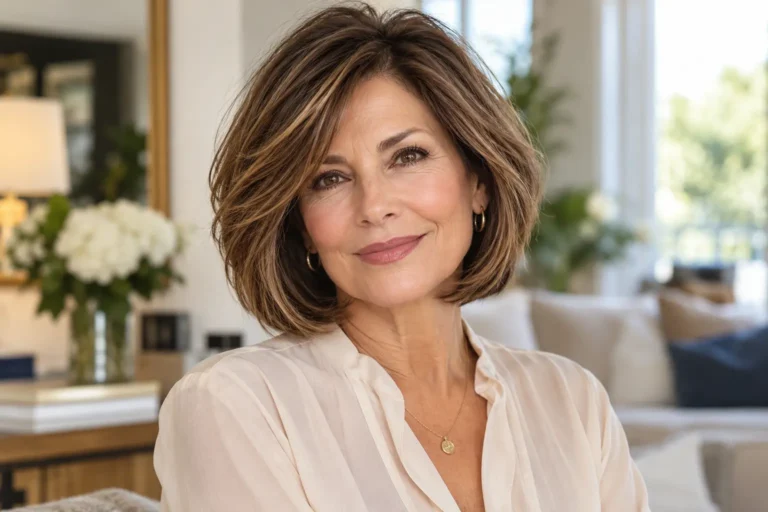
A long layered bob is a versatile option if you want to keep some length while adding shape, movement, and softness to your hairstyle. Often called a lob, this cut typically falls somewhere between the chin and the collarbone, although the exact length can vary.
For women over 50, a long layered bob offers plenty of possibilities. You might prefer a smooth, polished finish, loose waves, soft face-framing pieces, or a naturally textured shape that requires less daily styling. The right version depends on your hair’s density, natural texture, preferred length, and the amount of time you want to spend getting ready.
If you’re considering a change, these 15 long layered bob haircuts for women over 50 offer different silhouettes to discuss with your hairstylist. You’ll also find practical tips for choosing a cut that works with your hair rather than against it.
Table of Contents
What Is a Long Layered Bob?
A long bob, or lob, is a bob haircut that retains more length than a traditional chin-length bob. It commonly reaches the shoulders or collarbone, although some versions sit just below the chin.
Adding layers changes how the haircut moves. Long, blended layers can reduce a heavy appearance, encourage natural movement, and help the front sections frame the face. Shorter or more pronounced layers create a more textured silhouette, while subtle layers preserve a smoother outline.
A long layered bob is different from a bixie, which combines elements of a pixie and a bob in a shorter shape. If you’re comparing shorter options, our guide to modern bixie haircuts for women over 50 explores that in-between style.
The important thing is to choose the shape first and then adjust the layering to suit your hair’s natural behavior.
15 Long Layered Bob Haircuts for Women Over 50
1. Classic Collarbone-Length Layered Lob
A collarbone-length lob is a balanced choice if you want a haircut that feels substantial without looking overly heavy. The length allows the hair to sit around the shoulders, while soft layers prevent the ends from forming a single, bulky line.
This style works with straight, wavy, and lightly textured hair. Your stylist can keep the layers long and blended for a classic finish or introduce a little more movement around the front.
Styling tip: Apply a lightweight heat protectant before blow-drying. Use a round brush to shape the ends slightly inward or outward, depending on the finish you prefer. For more guidance, see the American Academy of Dermatology’s advice on styling hair without damage.
What to ask for: A collarbone-length lob with long, blended layers and a shape that works with your natural parting.
2. Soft Face-Framing Layered Lob

Face-framing layers create a gradual transition from the front sections into the rest of the haircut. The shortest pieces can begin around the cheekbones, jawline, or chin, depending on your preferred look and the length of your hair.
This option is useful if you want movement around the face without committing to a full fringe. It can be styled straight, waved, or tucked behind the ears.
Styling tip: Direct the front sections away from your face with a round brush, then allow them to fall naturally into the longer layers.
What to ask for: Soft face-framing layers that blend gradually into the length rather than creating a disconnected step.
3. Long Layered Bob with Curtain Bangs
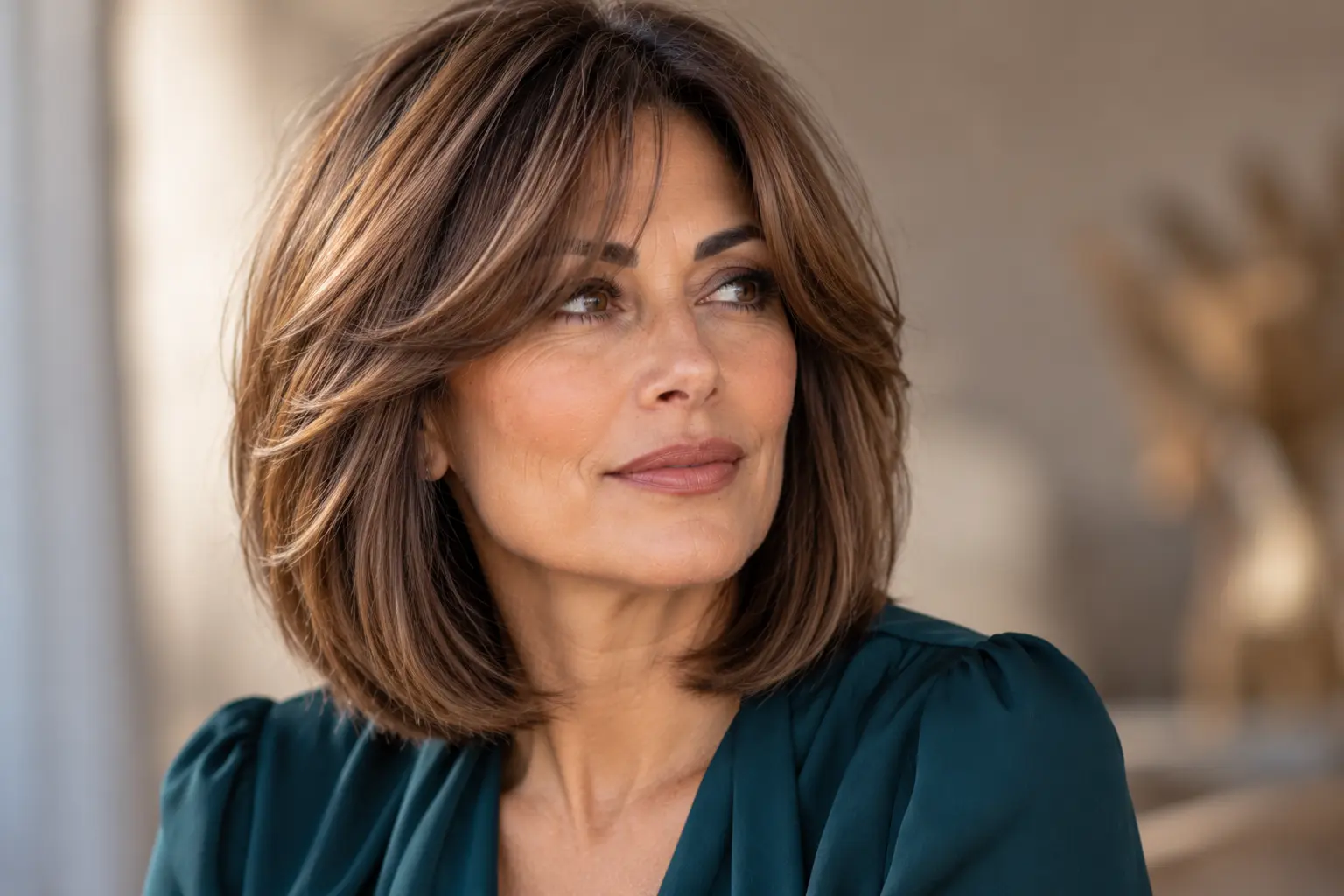
Curtain bangs part near the center and sweep toward the sides, creating a soft frame around the forehead and temples. Paired with a long layered bob, they can give the haircut a relaxed, slightly retro feel without sacrificing length.
This combination can work with straight or wavy hair, although the fringe may need more styling if your hair naturally separates in a different direction. Consider how much time you want to spend styling the front.
Styling tip: While the fringe is slightly damp, direct each side away from the center part. Use a low-heat dryer and a round brush, or let the hair settle naturally if you prefer a softer finish.
What to ask for: Curtain bangs that blend into long face-framing layers, with a length that can still be tucked away when needed.
4. Side-Parted Lob with Sweeping Layers
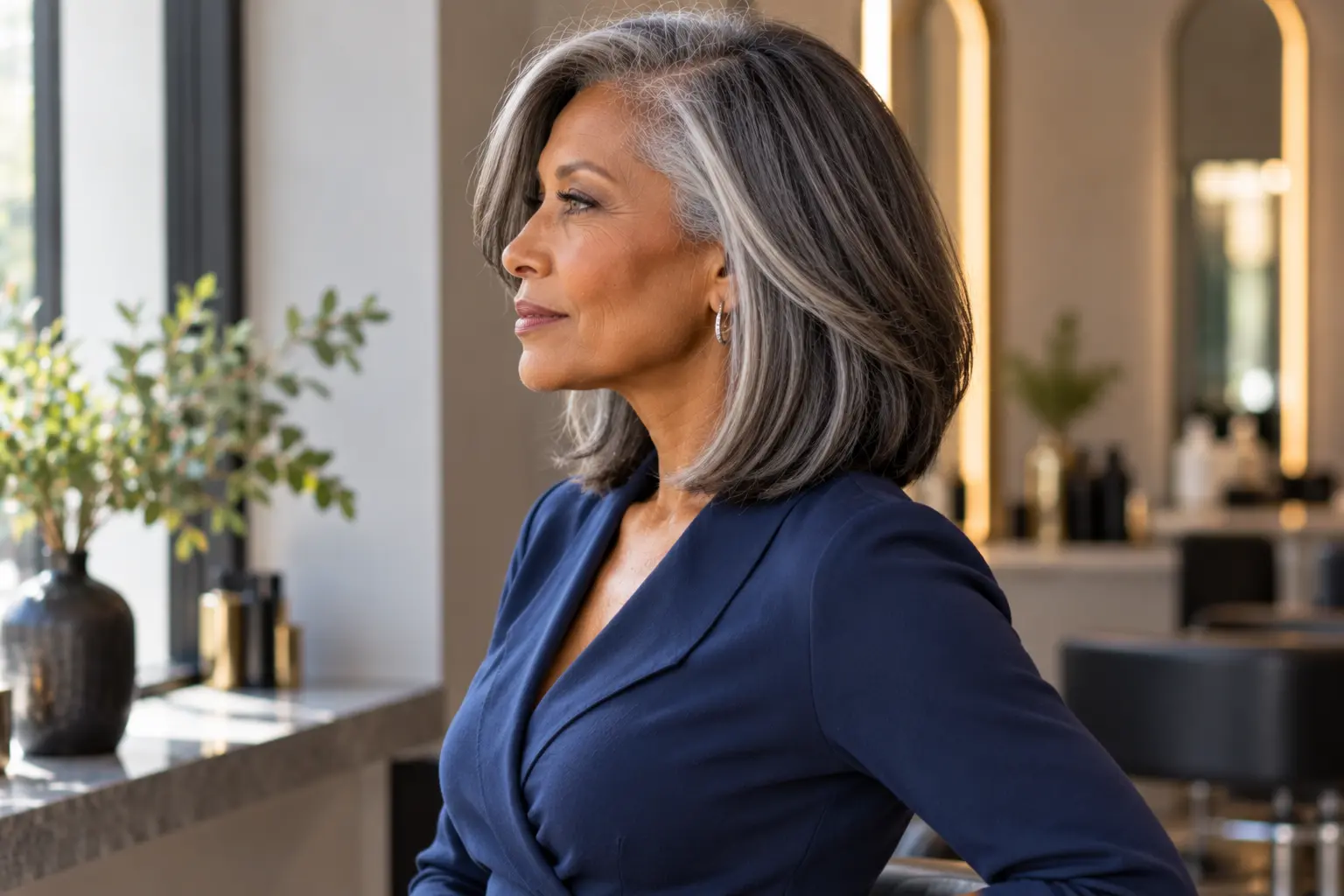
A deep or gentle side part can change the appearance of a long layered bob without requiring a major change in length. The longer front section sweeps across the forehead, while the layers create movement through the sides.
This style is worth considering if you prefer an asymmetrical look or enjoy changing the direction of your part. A stylist can help determine whether your hair will hold a side part comfortably.
Styling tip: Create the part while the hair is damp and dry the roots in the direction you want them to fall. Finish with a small amount of flexible-hold product if needed.
What to ask for: A long bob with a side-swept front section and blended layers that follow your natural parting.
5. Softly Textured Lob for Fine Hair

Fine hair can benefit from thoughtful shaping, but too many short layers may leave the ends looking sparse. A softly textured lob keeps the overall outline relatively full while introducing just enough layering to create movement.
A length between the chin and collarbone may be a useful starting point, depending on how your hair sits. Subtle layers around the face can add shape without removing too much weight from the lower sections.
Styling tip: Try a lightweight volumizing product at the roots and dry the hair in sections. Avoid heavy creams or oils close to the roots if they make your hair fall flat.
What to ask for: A long bob with restrained layering, a reasonably full perimeter, and light face-framing pieces.
For more inspiration focused specifically on fine hair, see our guide to short haircuts for women over 50 with fine hair. That article covers shorter options, while this guide focuses on longer lobs.
6. Full-Bodied Lob for Thick Hair

Thick hair can make a long bob look beautifully substantial, but the wrong layering pattern may create unwanted bulk or an overly triangular silhouette.
A well-shaped lob can remove some visual weight while preserving enough length for a smooth outline. The stylist may use internal layers or other weight-distribution techniques depending on your hair’s density and texture.
Styling tip: Use a smoothing product if you want a polished finish, or work with your natural texture for a more relaxed look. Drying in sections can help you control the shape.
What to ask for: A long bob with carefully distributed layers that reduce bulk without making the ends look thin.
7. Wavy Long Layered Bob
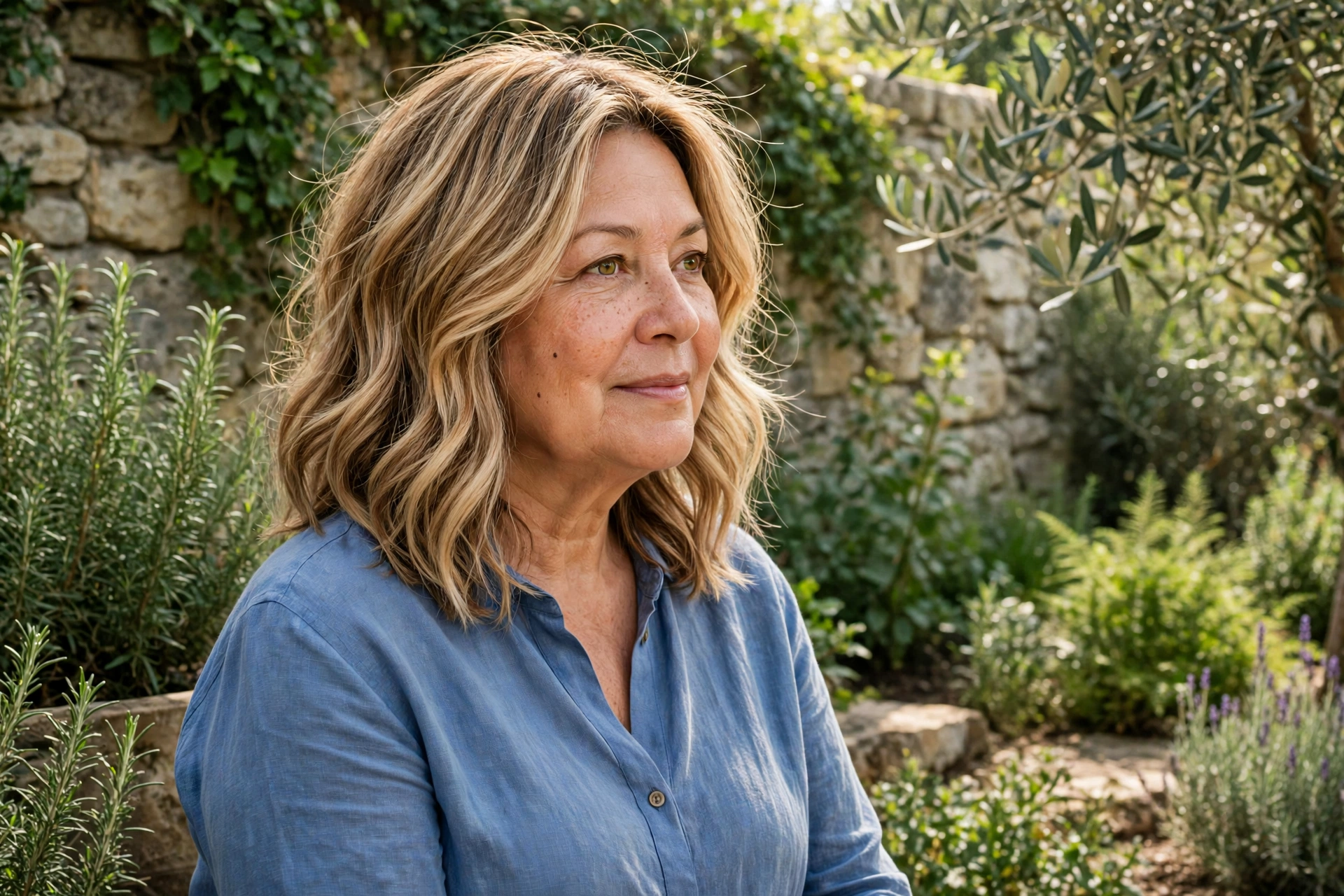
A wavy lob works with natural bends in the hair rather than requiring every section to be straightened. Soft layers allow the waves to move independently, creating a casual finish that can look polished without appearing overly structured.
The length can sit around the shoulders or collarbone, depending on how much the waves shrink as the hair dries. Your stylist should consider your natural wave pattern before deciding where to place the layers.
Styling tip: Apply a lightweight mousse or wave-enhancing product to damp hair. Scrunch gently and let it air-dry, or use a diffuser on a low setting if that suits your routine.
What to ask for: A wavy lob with layers designed around your natural wave pattern and minimal reliance on daily heat styling.
8. Curly Layered Lob
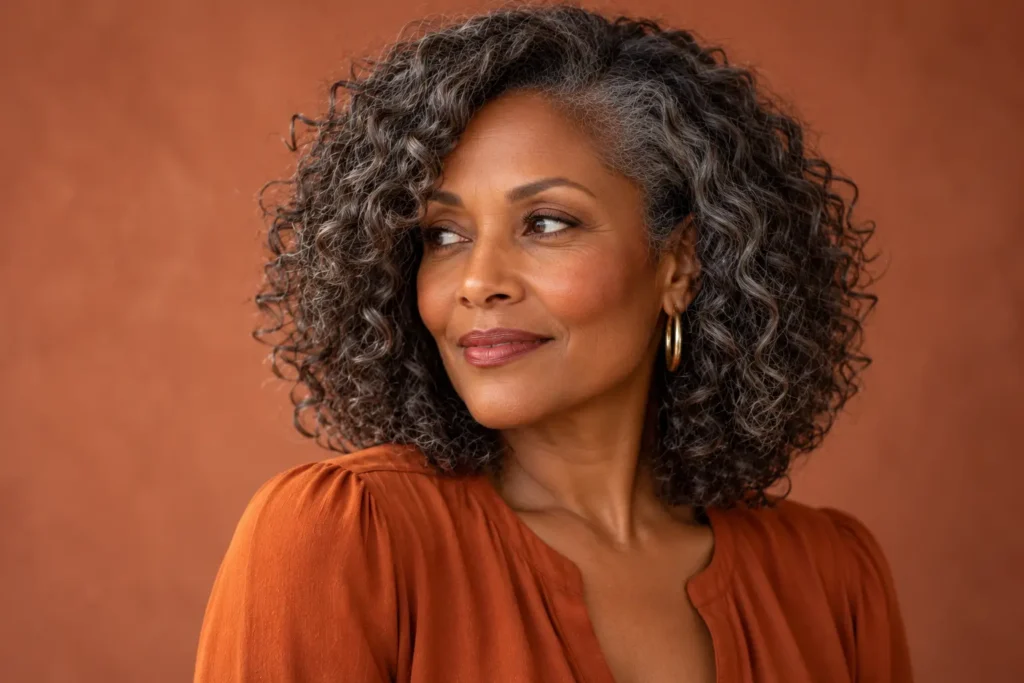
A curly lob can retain enough length to show off natural curls while using layers to help the overall shape feel balanced. The placement of each layer matters because curls can spring upward as they dry.
Discuss how your curls behave when dry before deciding on the final length. Your stylist may recommend a shape that accounts for shrinkage, density, and differences between the front and back sections.
Styling tip: Work a curl cream or leave-in product through damp hair, then allow the curls to dry without excessive handling. Use a diffuser if you want additional definition or volume.
What to ask for: A curly lob shaped around your dry curl pattern, with layers that balance the silhouette rather than create unwanted bulk.
9. Sleek Lob with Subtle Long Layers
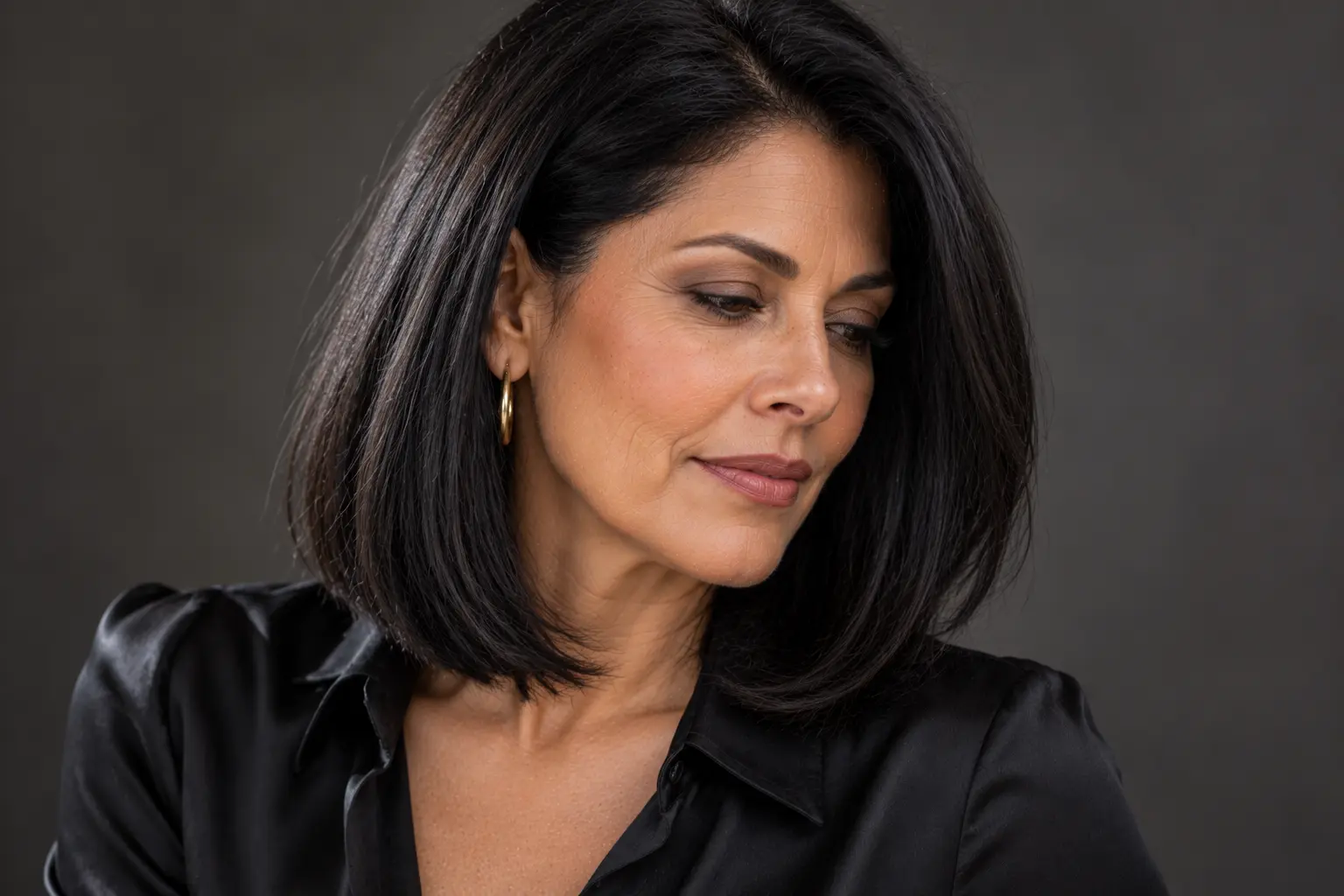
If you prefer a smooth and refined hairstyle, consider a sleek lob with subtle layers. The overall outline remains clean, while the long layers provide enough flexibility for the ends to move naturally.
This version works well for people who enjoy a polished finish and do not mind spending some time blow-drying or smoothing their hair. The layers should be restrained enough that the ends still look connected.
Styling tip: Apply heat protectant, then blow-dry with a paddle brush or round brush. If you use a flat iron, work in small sections and avoid repeatedly passing over the same area.
What to ask for: A sleek, long bob with very subtle layers and a smooth perimeter that remains easy to shape.
10. Silver Long Layered Bob

Natural silver or white hair can look striking in a long layered bob. The shape allows you to retain length while showing off the variation in tone that naturally occurs throughout gray hair.
Soft layers can make the cut feel lighter, while a defined outline keeps the overall look intentional. Silver hair varies in texture, so choose products based on your hair’s actual condition rather than its color alone.
Styling tip: Use a conditioner suited to your hair and a heat protectant when styling. If you use purple shampoo to manage unwanted yellow tones, follow its instructions and avoid overusing it if your hair becomes dry.
What to ask for: A long silver bob with blended layers that highlight your natural color and preserve the outline you prefer.
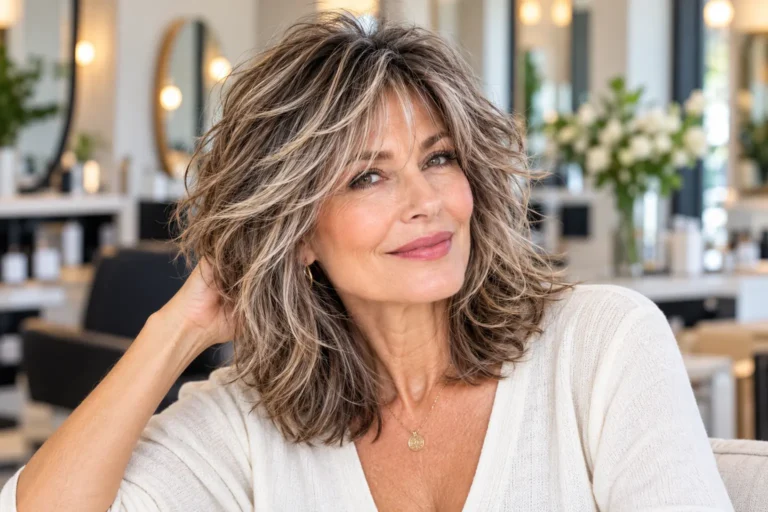
11. Salt-and-Pepper Lob with Movement
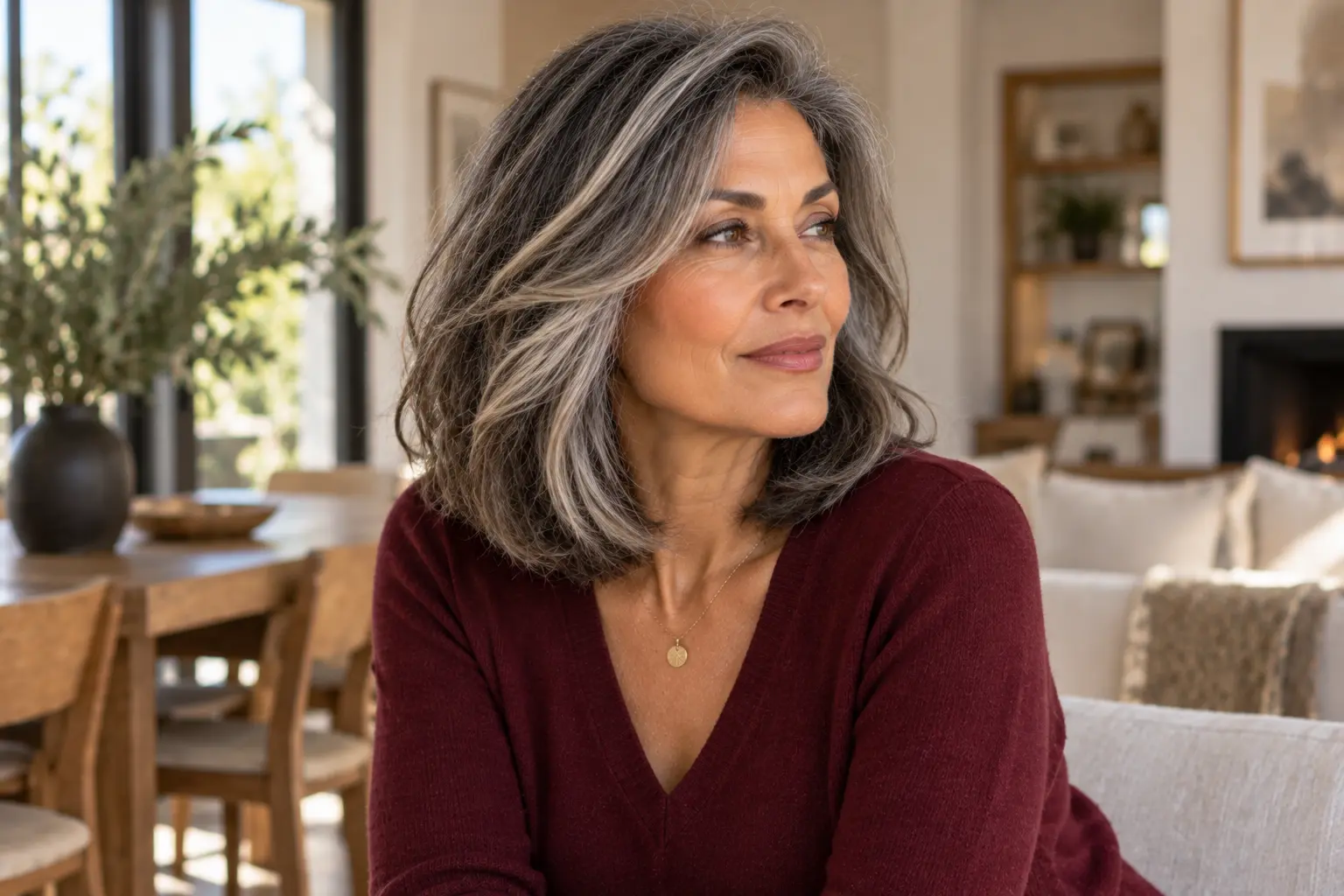
A salt-and-pepper lob combines dark and gray strands in a shape that emphasizes natural variation. Long layers add movement, helping the hair look textured without requiring a dramatic cut.
This style can be worn straight, loosely waved, or with a slightly tousled finish. A side part can create a different silhouette, while face-framing layers offer another way to personalize the look.
Styling tip: Use a lightweight cream or texturizing product, depending on your hair’s density. Work it through the mid-lengths and ends instead of applying too much product at the roots.
What to ask for: A long layered bob that works with your natural salt-and-pepper pattern and creates movement without excessive texturizing.
12. Angled Long Bob with Soft Layers
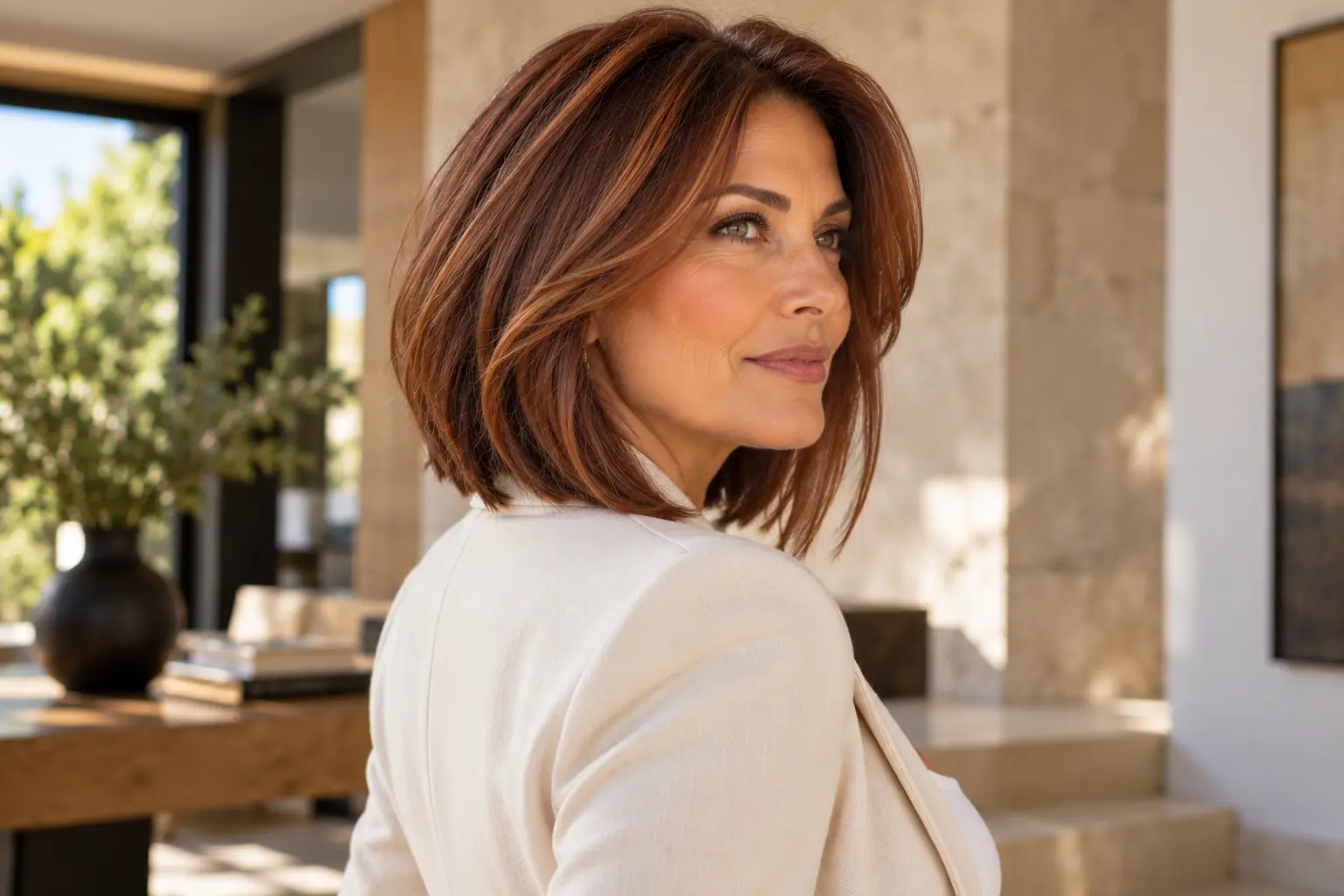
An angled long bob has a slightly different length at the front and back, usually with the front sections extending farther forward. Soft layers can prevent the shape from feeling too rigid while preserving its distinctive outline.
This style is an option if you enjoy a more structured haircut but still want movement around the face. The angle can be subtle or more pronounced, depending on your preferences.
Styling tip: Blow-dry the front sections in the direction you want them to fall. A smoothing cream can help control flyaways without making the ends stiff.
What to ask for: A softly angled long bob with blended layers and a front length that feels comfortable for everyday styling.
13. Lob with Feathered Face-Framing Layers
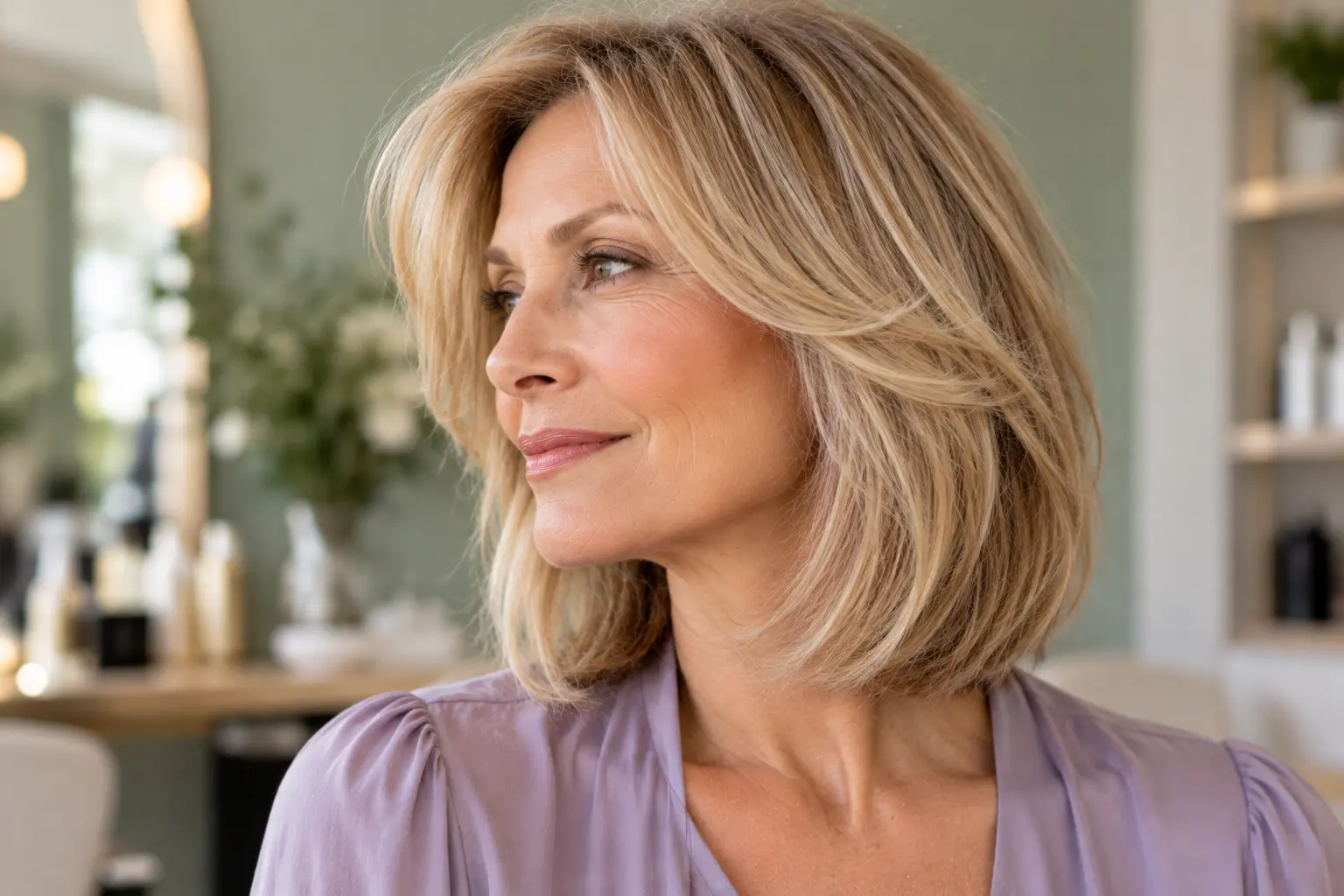
Feathered face-framing layers create a lighter outline around the face, with the front sections gradually blending into the rest of the lob. Unlike a heavy fringe, the emphasis is on movement and soft edges.
This look can be appealing if you want movement around the cheeks and jawline without losing the overall length of your haircut.
Styling tip: Use a round brush to direct the front sections away from your face. For a softer finish, let the layers fall naturally rather than trying to make every section perfectly uniform.
What to ask for: Long, feathered face-framing layers that blend into the rest of the haircut, with enough length to tuck the front sections behind your ears.
14. Tousled Lob with Piecey Layers

A tousled lob has a relaxed, textured finish. Piecey layers create separation through the ends, giving the haircut a less formal appearance than a sleek, precisely styled bob.
This look can work with naturally wavy hair or straight hair that you enjoy styling with a little texture. Ask your stylist to tailor the amount of texture to your hair’s density; too much texturizing may leave fine hair looking thinner at the ends.
Styling tip: Apply a small amount of lightweight texturizing cream to the mid-lengths and ends. Twist a few sections loosely with your fingers, then leave them to settle naturally.
What to ask for: A long bob with soft, piecey layers and a relaxed finish that does not require precise daily styling.
15. Low-Maintenance Long Layered Bob
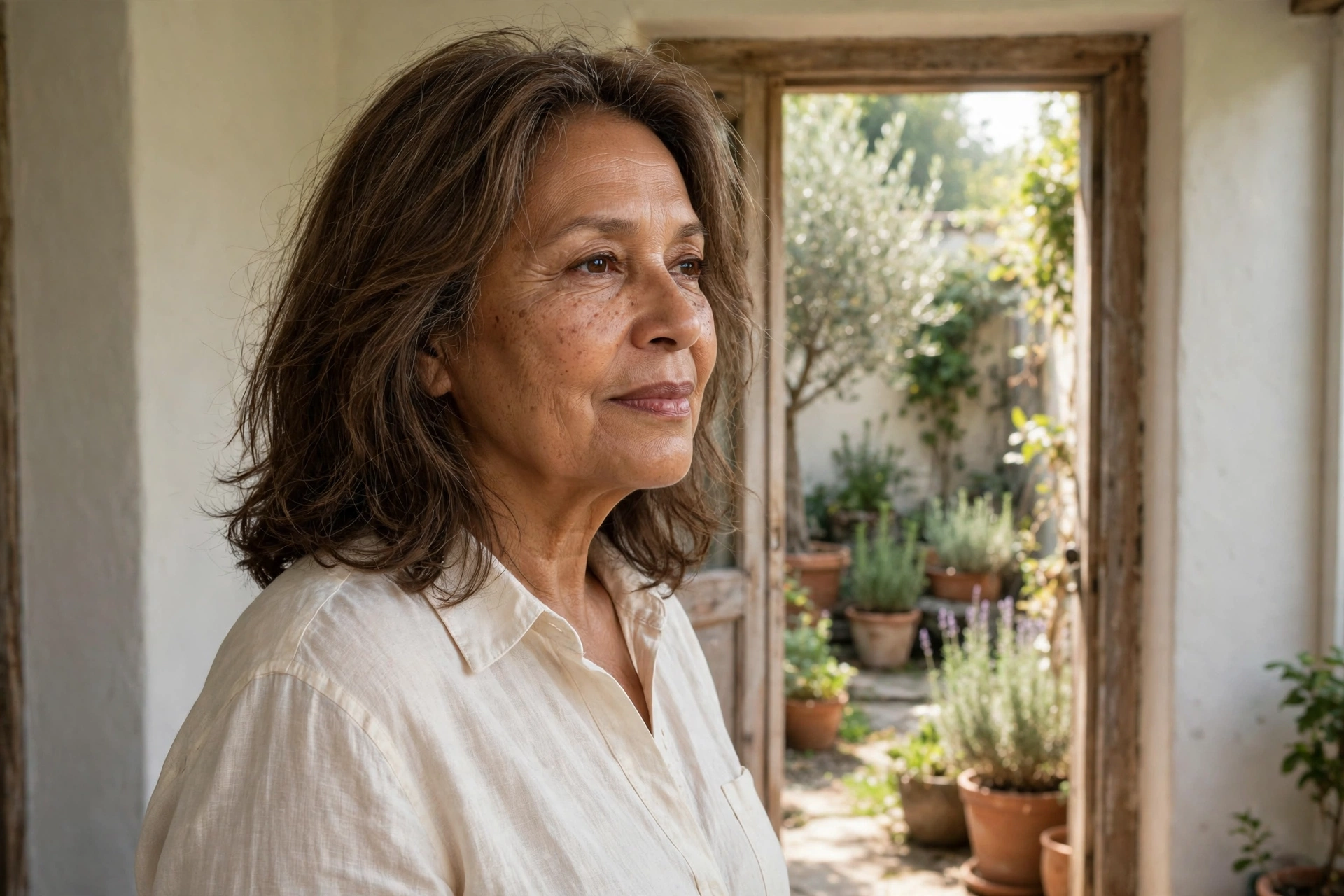
If you want a haircut that fits a busy routine, consider a long layered bob designed around your natural texture. Rather than depending on a particular blowout, this version uses a balanced shape and restrained layers to help the hair fall comfortably on its own.
The best low-maintenance cut depends on whether your hair is straight, wavy, curly, fine, or thick. A natural parting, manageable length, and layers that grow out gracefully can help reduce daily effort.
Styling tip: Start with a simple wash-and-condition routine and use one styling product suited to your hair type. Let your hair air-dry when practical, or use a quick blow-dry to shape the front sections.
What to ask for: A long layered bob that works with your natural texture, grows out neatly, and does not depend on daily heat styling.
How to Choose a Long Layered Bob for Your Hair Type
The most successful haircut is one that suits your hair’s natural characteristics and your styling habits. Before choosing a reference photo, consider the following factors.
For Fine or Low-Density Hair
If your hair is fine or relatively sparse, preserving fullness at the ends may be more important than adding numerous layers. A collarbone-length or slightly shorter lob with restrained layering can create movement without removing too much visual weight.
Ask your stylist how the cut will look when air-dried and whether the proposed layers could make the ends appear too wispy. Lightweight styling products may help add lift without weighing the hair down.
For Thick or Coarse Hair
Thick hair may need a different approach to layering. The aim is often to distribute bulk while keeping the outline balanced, especially around the sides and back. Discuss whether internal layers or a more structured shape would suit your hair.
For Wavy or Curly Hair
Natural waves and curls can change the apparent length and shape of a haircut as they dry. Choose a stylist who understands your texture and can account for shrinkage, curl formation, and the way your hair behaves without heat styling.
For Gray, Silver, or Salt-and-Pepper Hair
Gray hair can be worn at almost any lob length, from a smooth collarbone cut to a tousled, layered shape. Focus on the texture and condition of your hair rather than assuming that a particular color requires a particular haircut.
How to Style and Maintain a Long Layered Bob
- For a smooth finish: Apply heat protectant before blow-drying. Work in manageable sections and use a brush suited to your desired shape.
- For soft waves: Use a lightweight mousse or wave-enhancing product on damp hair. Scrunch gently or use a diffuser on a low setting.
- For natural curls: Apply a suitable leave-in conditioner or curl product, then allow the curls to dry with minimal disturbance.
- For added root lift: Try a small amount of volumizing product at the roots rather than applying heavy products throughout the hair.
- For textured ends: Use a small amount of styling cream or texturizing product, concentrating on the mid-lengths and ends.
- For healthier-looking hair: Use conditioner appropriate to your hair type, avoid excessive heat, and handle wet hair gently.
There is no single trimming schedule that works for everyone. The interval between salon visits depends on how quickly your hair grows, how sharply defined your cut is, and whether you want to maintain a particular length.
If you prefer a style that needs less daily attention, explore our guide to low-maintenance short hairstyles for women over 50. It focuses on shorter cuts, while this article covers longer bob styles.
What to Ask Your Hairstylist Before Getting a Layered Lob
A reference photograph is a helpful starting point, but the haircut should be adapted to your own hair. Before the appointment, consider asking these questions:
- What length will work best with my natural texture? Ask how the cut will sit when your hair dries without a blowout.
- Where should the layers begin? The answer may differ depending on your face-framing preferences, density, and desired silhouette.
- How can we preserve fullness at the ends? This is especially relevant if your hair is fine or has lower density.
- Will this cut work with my natural parting? A style that requires constant repositioning may be harder to maintain.
- How much daily styling will it need? Explain how much time you realistically want to spend on your hair.
- How will the cut grow out? Ask whether the layers and overall shape will remain manageable between appointments.
Bring one or two photographs that show the length and texture you like. It is also useful to bring a picture of your own hair on a typical day so your stylist can compare the references with your natural pattern.
Frequently Asked Questions
Is a long layered bob a good option for women over 50?
It can be a good option for anyone who wants to retain some length while adding shape and movement. Age alone does not determine which haircut will work best. Hair texture, density, personal style, and maintenance preferences are more useful factors to consider.
Is a layered lob suitable for fine hair?
Yes, provided the layering is tailored to the hair’s density. Subtle layers and a reasonably full perimeter may be preferable to numerous short layers that remove too much weight from the ends.
What is the difference between a lob and a layered bob?
A lob describes a longer bob silhouette, generally around the shoulders or collarbone. A layered bob describes a bob that incorporates layers. A lob can be layered or relatively blunt, depending on the desired result.
Can a long layered bob work with naturally curly hair?
Yes. The cut should be planned around the natural curl pattern and the way the hair contracts as it dries. Layer placement and the final length are particularly important for maintaining a balanced shape.
How often should a long layered bob be trimmed?
The ideal interval varies with growth rate, the chosen length, and how precisely you want to maintain the shape. Ask your stylist to recommend a schedule based on your particular cut rather than following a fixed timetable.
Is a long layered bob easy to maintain?
It can be relatively easy to manage when the shape works with your natural texture. However, some versions—particularly sleek styles or cuts with a defined angle and fringe—may require more frequent styling or salon visits.
Find the Long Layered Bob That Fits Your Style
A long layered bob offers plenty of room to personalize your look without committing to a very short haircut. You can choose a classic collarbone-length shape, add face-framing layers, work with natural waves, or highlight silver and salt-and-pepper hair.
Start by deciding how much length you want to keep and how you prefer to style your hair. Then choose a reference image that resembles your natural texture and discuss the layering with your hairstylist.
The best choice is not necessarily the trendiest cut. It is the one that gives you a shape you enjoy wearing and a routine you can comfortably maintain.