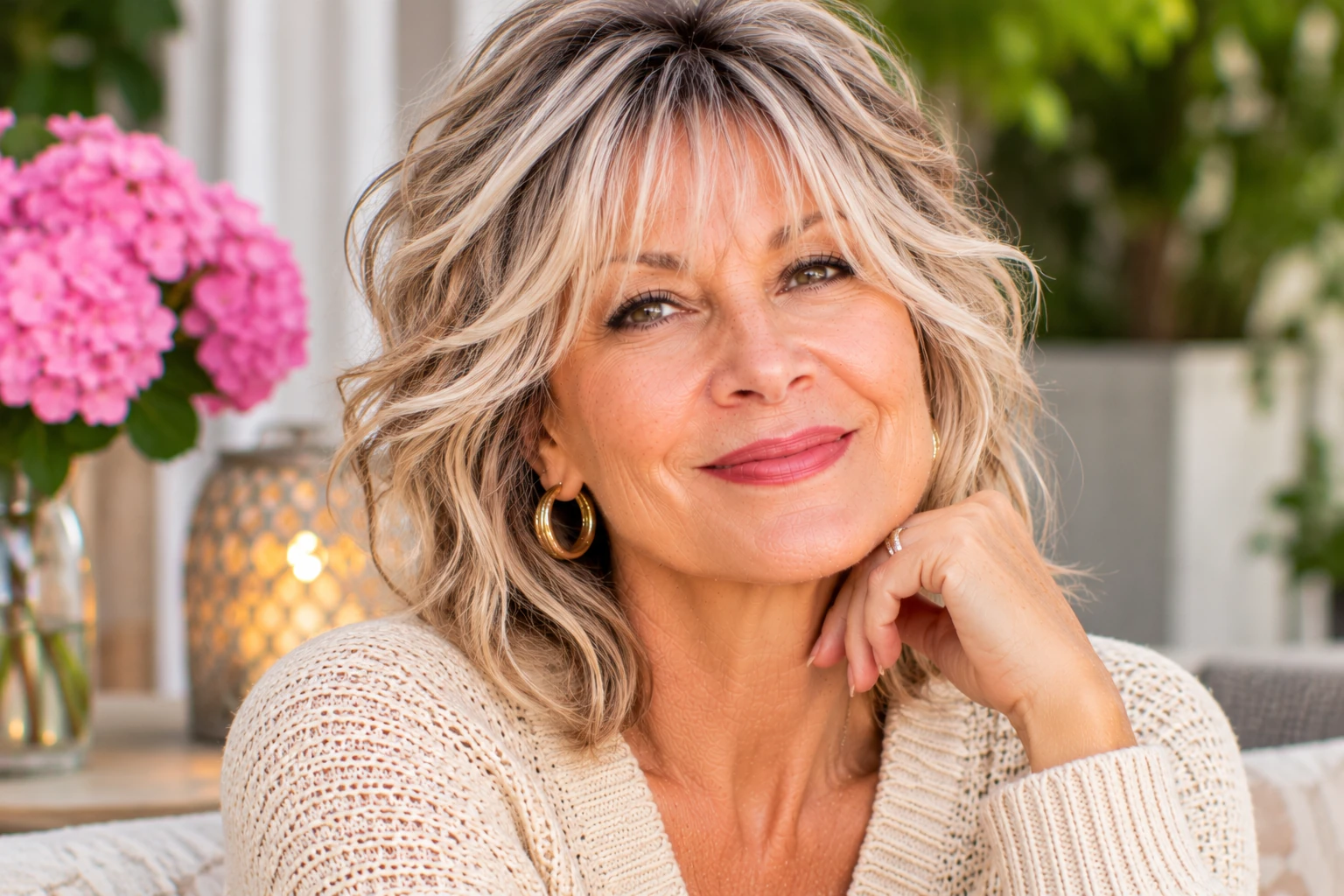
12 Flattering Wispy Bangs for Women Over 50: Soft Ways to Wear Them
Wispy bangs for women over 50 can be a beautiful way to refresh your hairstyle without committing to a thick, heavy fringe. Unlike full bangs, they feature lighter, more delicate strands that allow some of the forehead to remain visible. The result can feel softer and more flexible, with several ways to part, sweep, or style the hair.
For women over 50, choosing bangs is not about following an age-related rule. It is about finding a fringe that works with your hair texture, density, face shape, natural growth pattern, and personal style. Some women prefer a few fine pieces across the forehead, while others like a curved outline, separated strands, or longer pieces that blend toward the temples.
Wispy bangs are not limited to one haircut or hair length. They can complement a pixie, a bob, shoulder-length hair, a shag, or longer layers. The 12 ideas below focus on the fringe itself, so you can compare different shapes rather than simply different haircuts.
Why Wispy Bangs Can Be a Lovely Choice After 50
Wispy bangs offer a lighter alternative to a dense, blunt fringe. Because the strands are separated or tapered, they can leave some forehead visible and create a less solid outline.
- A softer outline: Delicate strands can soften the transition between the forehead and the rest of the haircut.
- Flexible styling: Depending on their length, wispy bangs can be worn forward, swept to the side, or parted.
- A lighter feel: They may feel more comfortable than a thick fringe, particularly if you prefer less hair around your face.
- Flexible grow-out: Longer versions can gradually blend into face-framing layers.
However, wispy bangs are not automatically low-maintenance. Their behavior depends on your natural growth pattern, hair texture, and styling routine. A fringe that looks effortless in a photograph may still need a little daily attention to sit correctly.
12 Wispy Bangs for Women Over 50
These 12 ideas show different fringe shapes, lengths, and finishes. Use the descriptions as a starting point, then ask your stylist how each shape would work with your own hairline and density.
1. Classic Eyebrow-Skimming Wispy Bangs
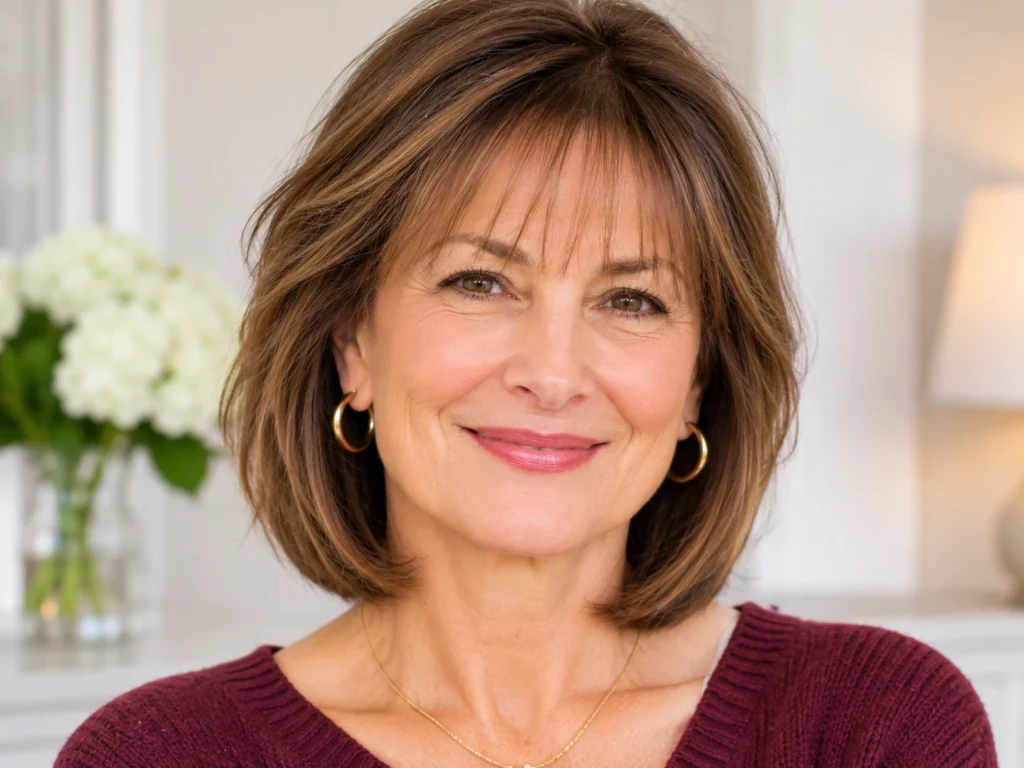
Classic eyebrow-skimming wispy bangs sit around eyebrow level, with delicate strands distributed lightly across the forehead. Unlike a blunt fringe, the ends do not form one solid, straight line. Small spaces between the strands keep part of the forehead visible.
This is a familiar starting point if you want a recognizable fringe without the weight of a full set of bangs. It can work particularly well with straight or softly wavy hair. Ask your stylist for a light, broken-up fringe around eyebrow length, and avoid removing too much hair from the front if your hair is naturally low in density.
2. Soft Side-Swept Wispy Bangs
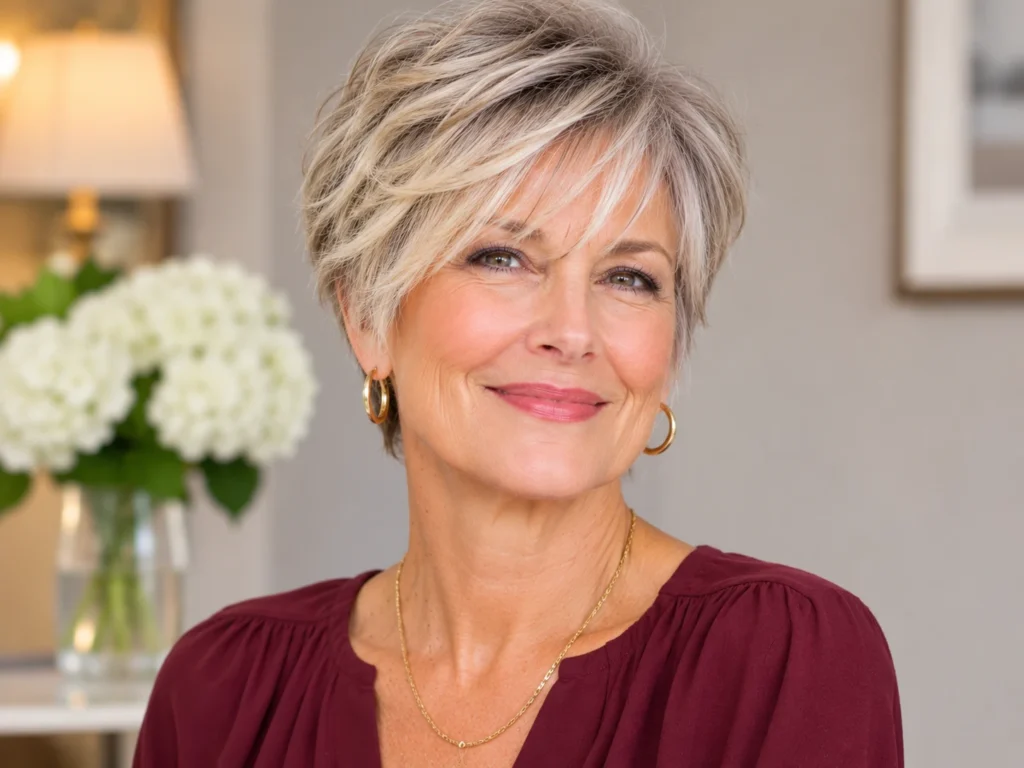
Side-swept wispy bangs follow a diagonal line across the forehead. The fringe is shorter near one side and gradually becomes longer as it moves toward the opposite temple. This creates an asymmetrical shape rather than an even line across the brow.
The style can be useful if you prefer to keep part of your forehead more open or want bangs that blend into the sides of a short haircut. It can work with straight, wavy, and lightly textured hair. Ask your stylist to follow your natural parting instead of forcing the hair in an uncomfortable direction. For more short-cut inspiration, see these pixie haircuts for women over 50.
3. Wispy Curtain Bangs

Wispy curtain bangs are parted near the center or slightly off-center, with shorter pieces around the middle and longer sections opening toward the temples. Their defining feature is the central opening: instead of covering the forehead continuously, the fringe separates into two soft sections.
This is worth considering if you prefer a fringe that does not feel too forward or heavy. It can also transition into longer face-framing layers as it grows. Ask for a light curtain shape with a soft center opening and sides that blend naturally into the haircut.
4. Short Wispy Micro Bangs
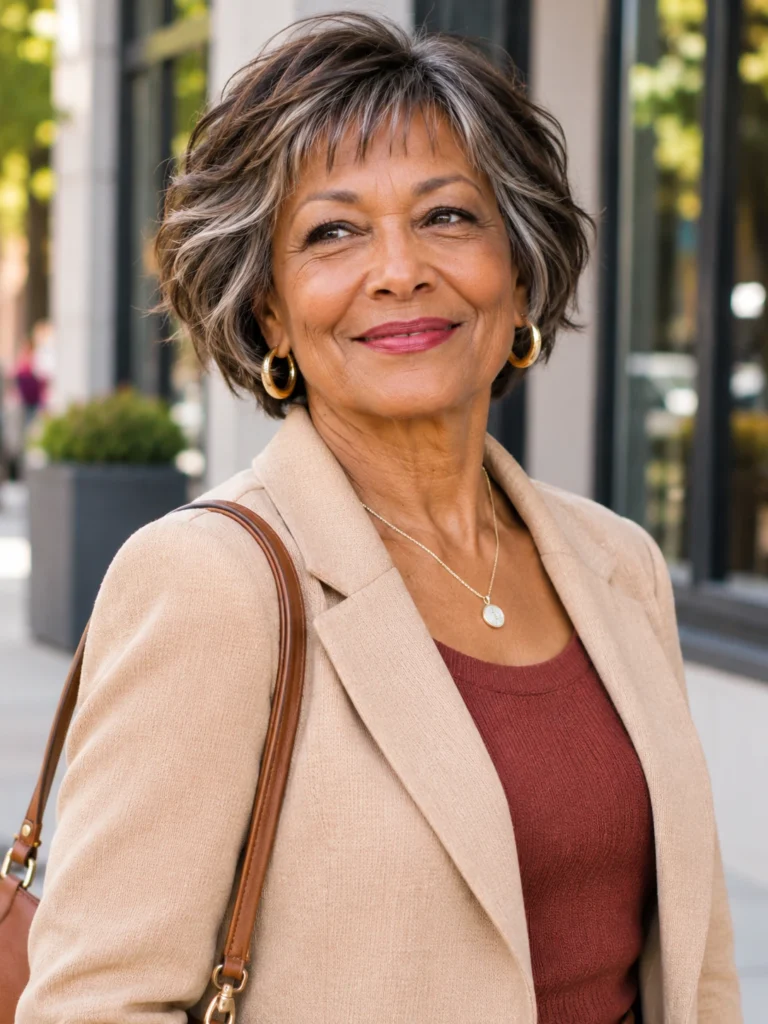
Wispy micro bangs sit noticeably above the eyebrows, leaving much of the forehead visible. They are shorter than a traditional fringe, but the finish remains light and textured rather than dense or sharply blunt.
This creates a more distinctive look than longer wispy bangs. Because short strands are more exposed, natural growth patterns and cowlicks can make them harder to control. They may also need more frequent trims. Ask your stylist to assess your hairline first and keep the fringe airy rather than cutting it into a solid block.
5. Soft Arched Wispy Bangs
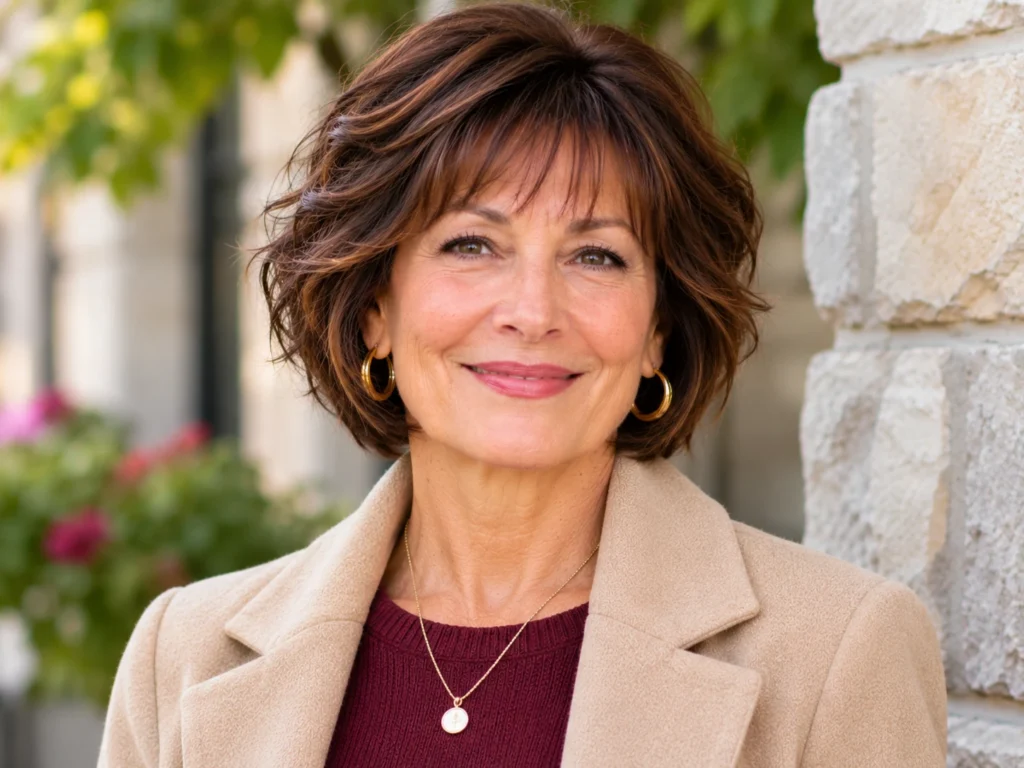
Soft arched wispy bangs follow a gentle curve across the forehead. The center sits slightly shorter, while the strands gradually become longer toward the outer edges. The curve is subtle, not a sharply rounded or heavy fringe.
This shape can help the bangs connect smoothly with the hair around the temples. It is different from curtain bangs because the fringe does not need to split open in the middle. Ask your stylist for a soft arc with light, separated ends and enough length at the sides to blend into your haircut.
6. Piecey Wispy Bangs with Defined Separation
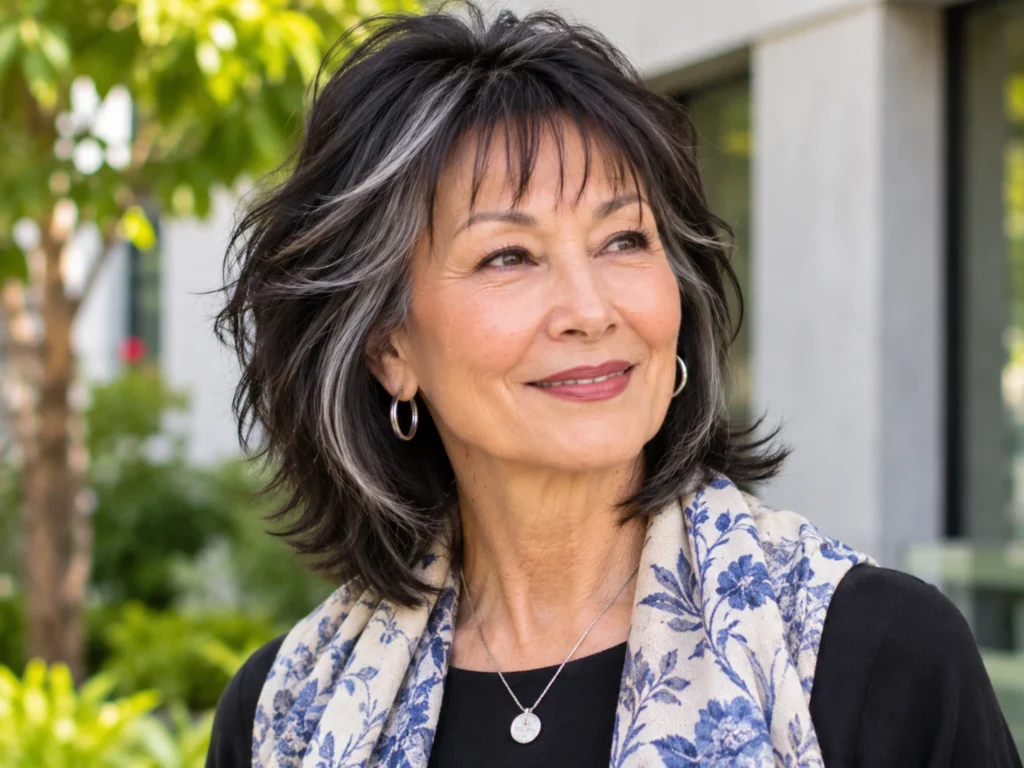
Piecey wispy bangs are arranged in small, distinct sections, leaving visible gaps between some strands. Rather than forming a continuous fringe, the hair separates into defined pieces that create texture and movement.
This finish can look relaxed and modern, especially when the rest of the haircut has some natural texture. The key is controlled separation, not excessive thinning. Ask your stylist to create a few defined sections while preserving enough fullness at the front so the fringe does not look sparse.
7. Natural Curly Wispy Bangs
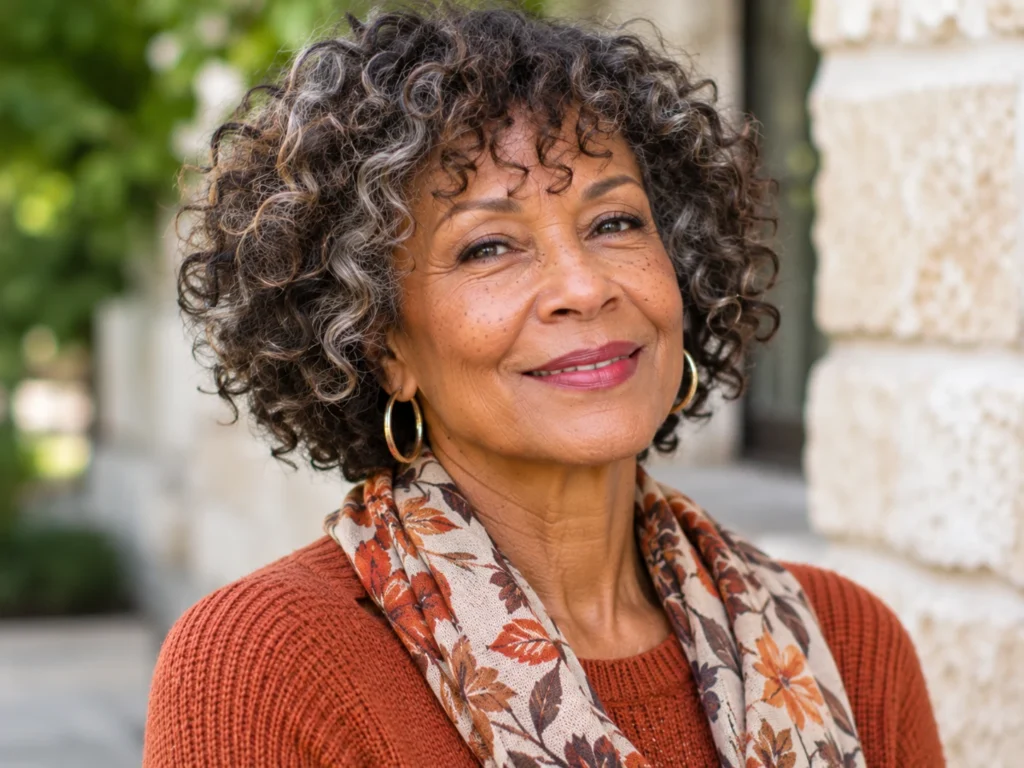
Wispy bangs can follow a natural curl pattern instead of being straightened into a smooth line. In this version, the fringe forms soft, separated curls that sit lightly around the forehead and connect with the rest of the texture.
The most important consideration is shrinkage: curls often spring up as they dry, so bangs can become shorter than they appear when wet. Ask a stylist experienced with your curl pattern to assess the hair in its natural state and shape the fringe for the way you usually wear it.
8. Soft Blunt Wispy Fringe
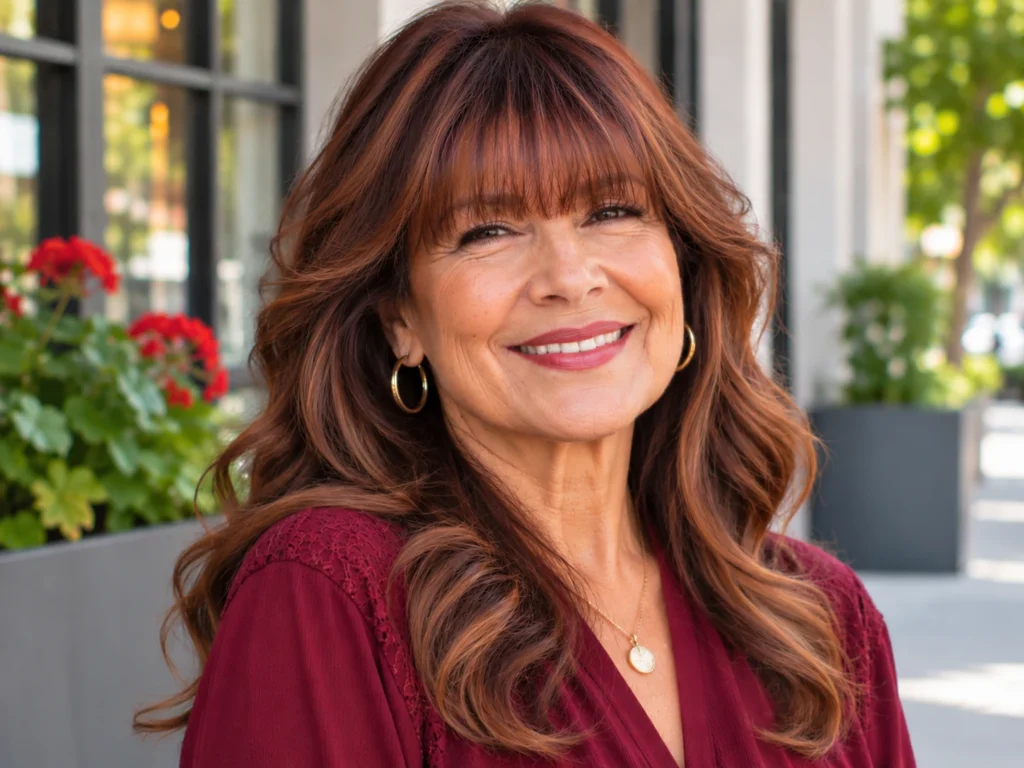
A soft blunt wispy fringe has a more horizontal outline than a feathered or piecey fringe, but the ends retain some lightness. The bangs appear fuller across the forehead while still allowing small breaks and texture through the edge.
This option may suit someone who likes the look of a classic fringe but does not want a completely solid line. It is important to balance the amount of hair used with the density of the rest of the style. If your ends are already fine, ask your stylist to preserve fullness through the lengths rather than taking too much hair from the front.
For another haircut shape that can be paired with a light fringe, explore these long layered bob haircuts for women over 50.
9. Shaggy Feathered Wispy Fringe
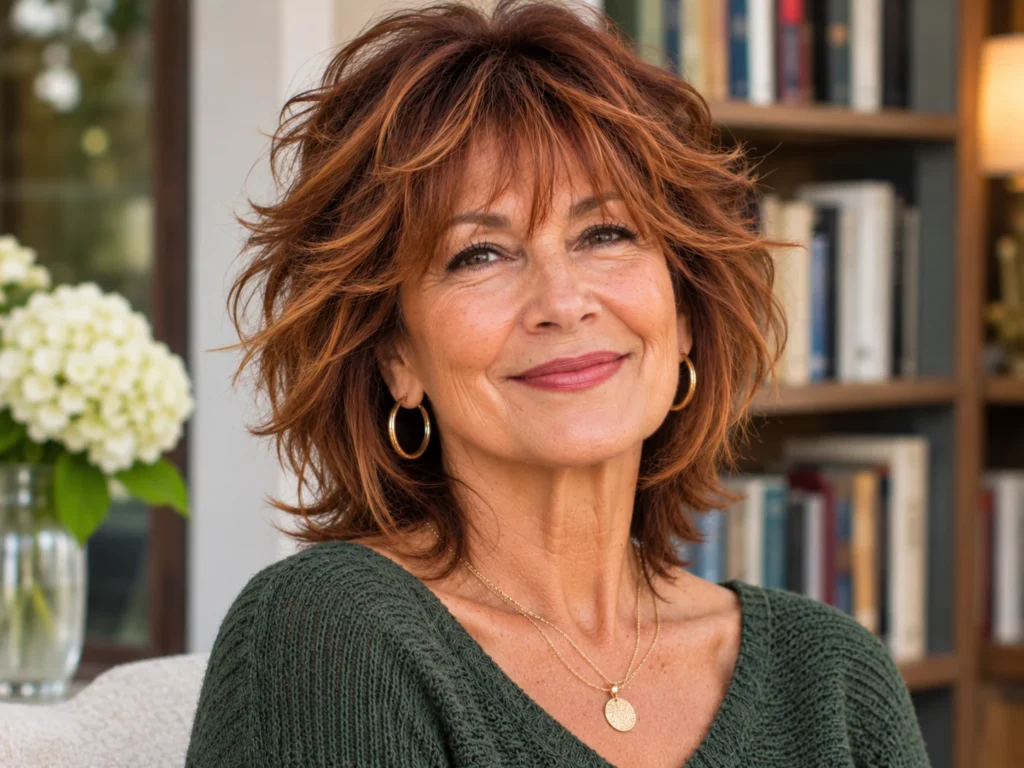
A shaggy feathered fringe combines short, textured pieces with tapered ends that sweep lightly outward. The fringe has more movement and an intentionally undone finish than a smooth eyebrow-skimming style.
Its defining feature is the connection between the bangs and the short layers around the crown and sides. This can complement a relaxed shag haircut, but too many short layers may reduce the appearance of fullness in fine or low-density hair. Ask your stylist to adapt the amount of layering to your hair rather than copying the texture in a photograph. You can also explore these modern shag haircuts for women over 50.
10. Long See-Through Wispy Fringe

A long see-through fringe uses fine, lightly distributed strands that leave noticeable space between the hair and allow the forehead to remain visible. The length is more relaxed than a short micro fringe, so the bangs can sit around the brows or slightly below them.
This is a useful option if you want a delicate fringe without a strong, heavy outline. It can be worn forward or gently moved to either side. Ask your stylist to keep the section light but not so thin that the strands separate unpredictably throughout the day.
11. U-Shaped Wispy Bangs
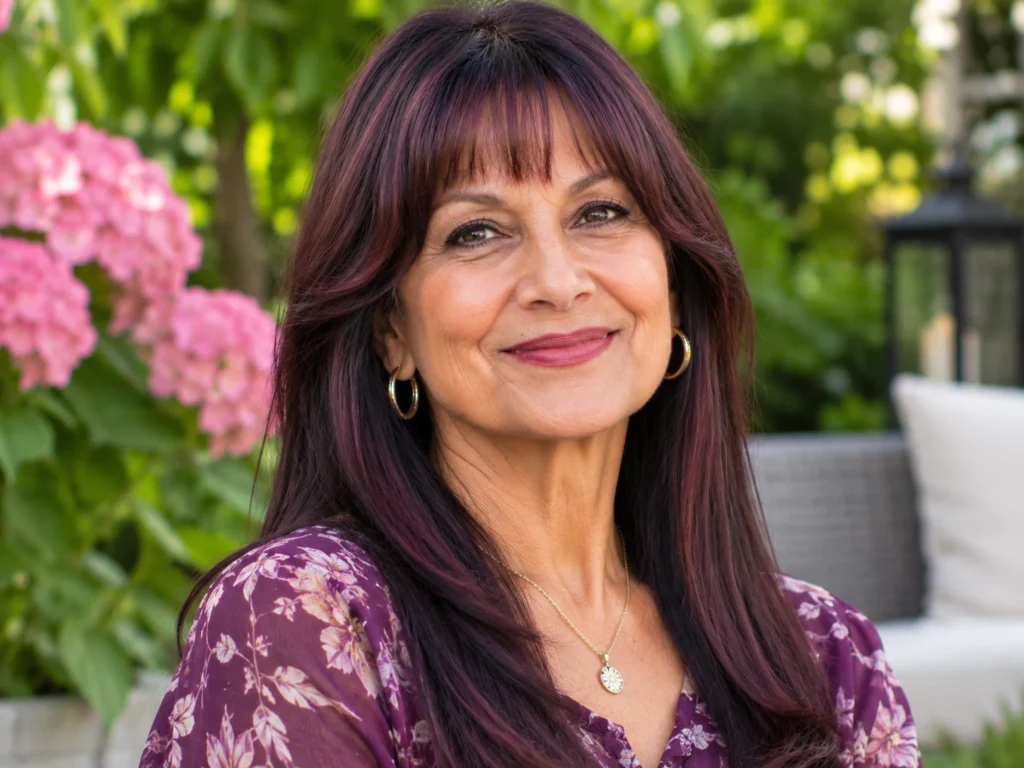
U-shaped wispy bangs form a rounded outline that dips gently toward the center and rises toward the temples. The curve is more continuous than a side-swept fringe and softer than a sharply defined straight-across cut.
The shape can frame the upper face while keeping the outer pieces longer. It is not the same as curtain bangs: a U-shaped fringe can remain connected across the forehead instead of opening at the center. Ask for a soft, lightly textured curve that follows your natural hairline.
12. V-Shaped Wispy Fringe
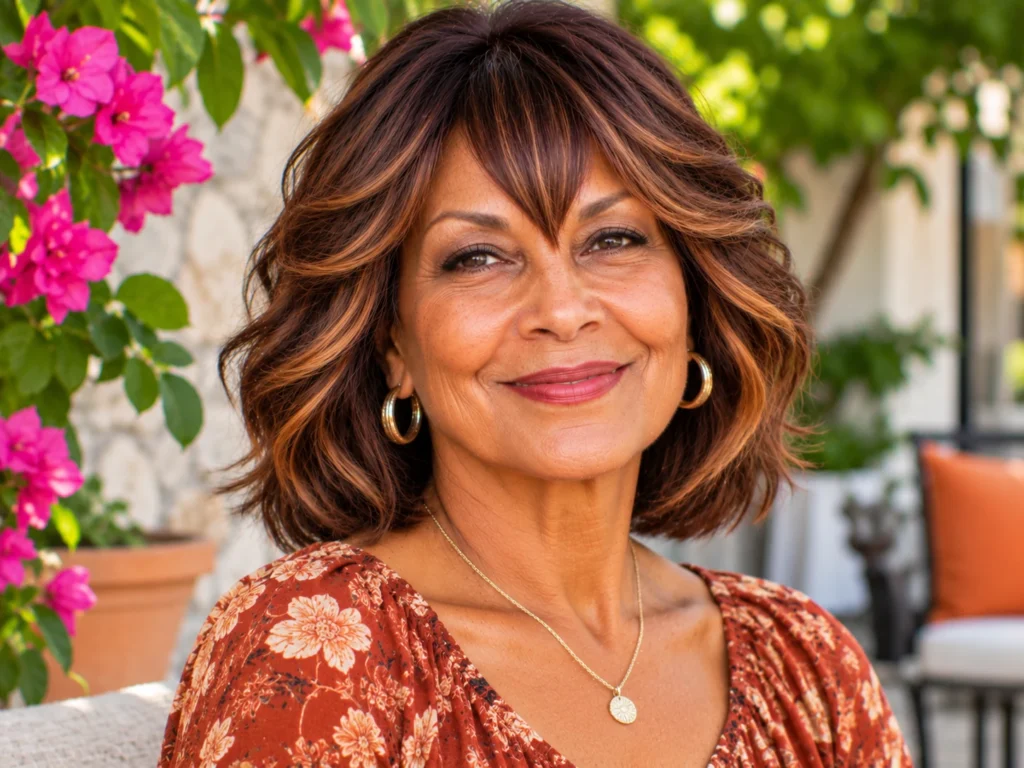
A V-shaped fringe creates a more pointed outline, with the center section extending lower than the hair toward the sides. When kept wispy, the point is softened by separated strands rather than a dense, sharp edge.
This is a more graphic option than a rounded or U-shaped fringe, so the shape should be tailored carefully to your features and hair texture. Ask your stylist to keep the ends light and the point subtle if you want movement rather than a dramatic, heavy V.
How to Choose Wispy Bangs for Your Hair Type
The best fringe is not necessarily the one that looks most attractive in a photograph. It is the one that works with your actual hair characteristics and daily routine.
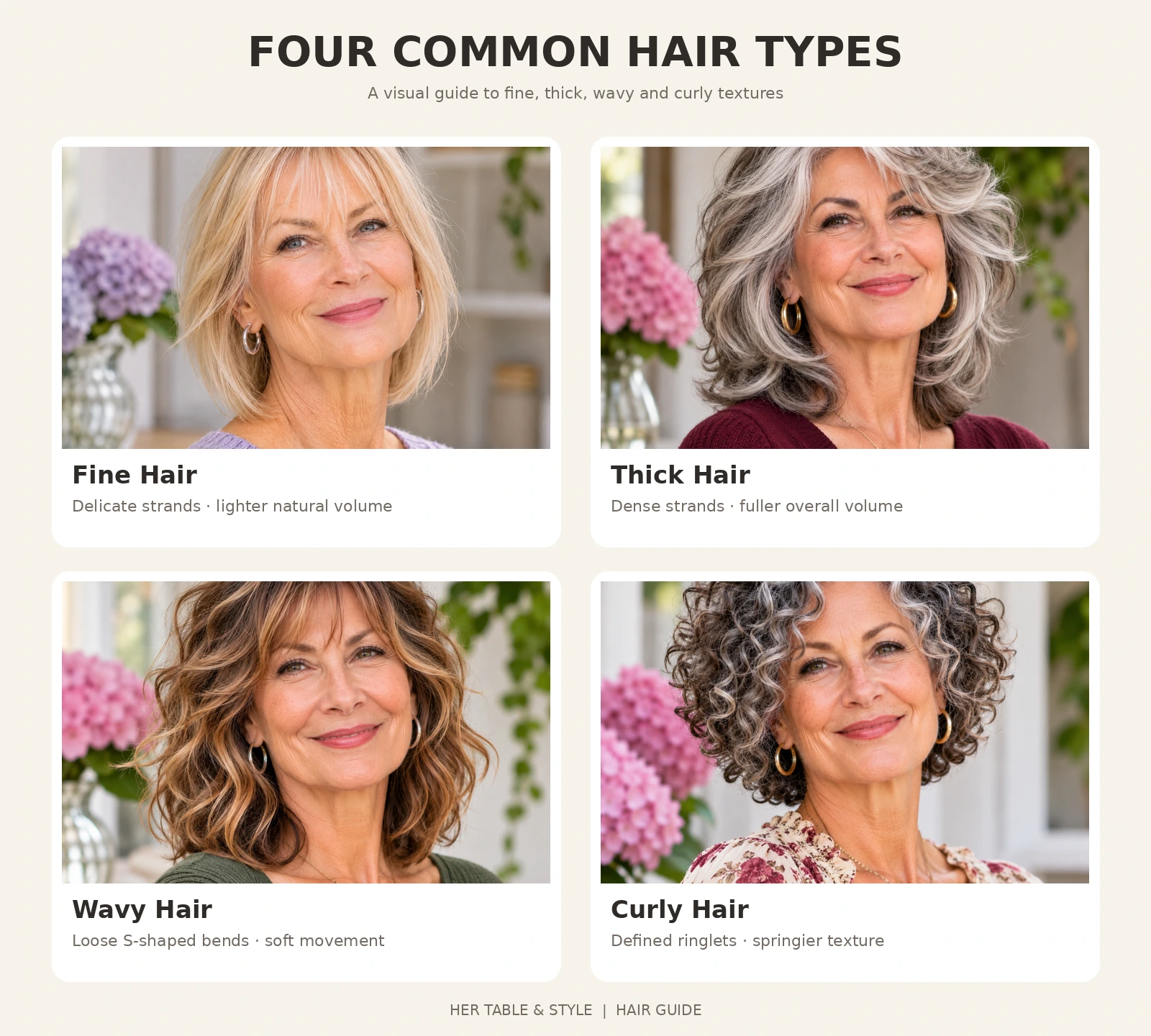
Wispy Bangs for Fine Hair
Fine hair refers to the diameter of individual strands. A person can have fine hair but still have a relatively high number of hairs on the scalp. If your strands are fine, a very heavy fringe may be difficult to support. On the other hand, taking too much hair away from the front can leave the remaining lengths looking less full.
A light, carefully balanced fringe may be a better starting point. Ask your stylist to preserve enough hair around the front and avoid excessive texturizing.
Wispy Bangs for Thin or Low-Density Hair
Thin hair usually refers to lower hair density—the number of hairs growing across the scalp—rather than the thickness of each strand. If your hair is low in density, consider how much hair you’ll use to create the bangs. A large section taken from the front may make the rest of the hairstyle look noticeably thinner.
Longer, side-swept or face-framing pieces may be worth considering if you want a subtle change without creating a large fringe section. Your stylist can assess your hairline and recommend a shape that uses the available density carefully.
Wispy Bangs for Straight Hair
Straight hair often shows the fringe outline clearly. This can make classic eyebrow-skimming bangs, off-center styles, and side-swept shapes easier to define. However, straight hair may also reveal uneven cutting or strands that refuse to sit in the desired direction. A small amount of directional blow-drying can help.
Ask for a fringe that works with your natural part and does not require extensive daily styling.
Wispy Bangs for Wavy or Naturally Curly Hair
Wavy and curly hair can make wispy bangs look soft and expressive, but the cutting approach needs to account for natural movement and shrinkage. A fringe that appears long when wet may become considerably shorter when dry.
Work with a stylist who understands your natural texture. If you normally wear your hair wavy or curly, the fringe should be designed to look good that way too.
How to Choose Wispy Bangs for Your Face Shape
Face shape can be a helpful starting point, but it should not determine your haircut on its own. Hair texture, forehead proportions, natural parting, and personal preference matter just as much.
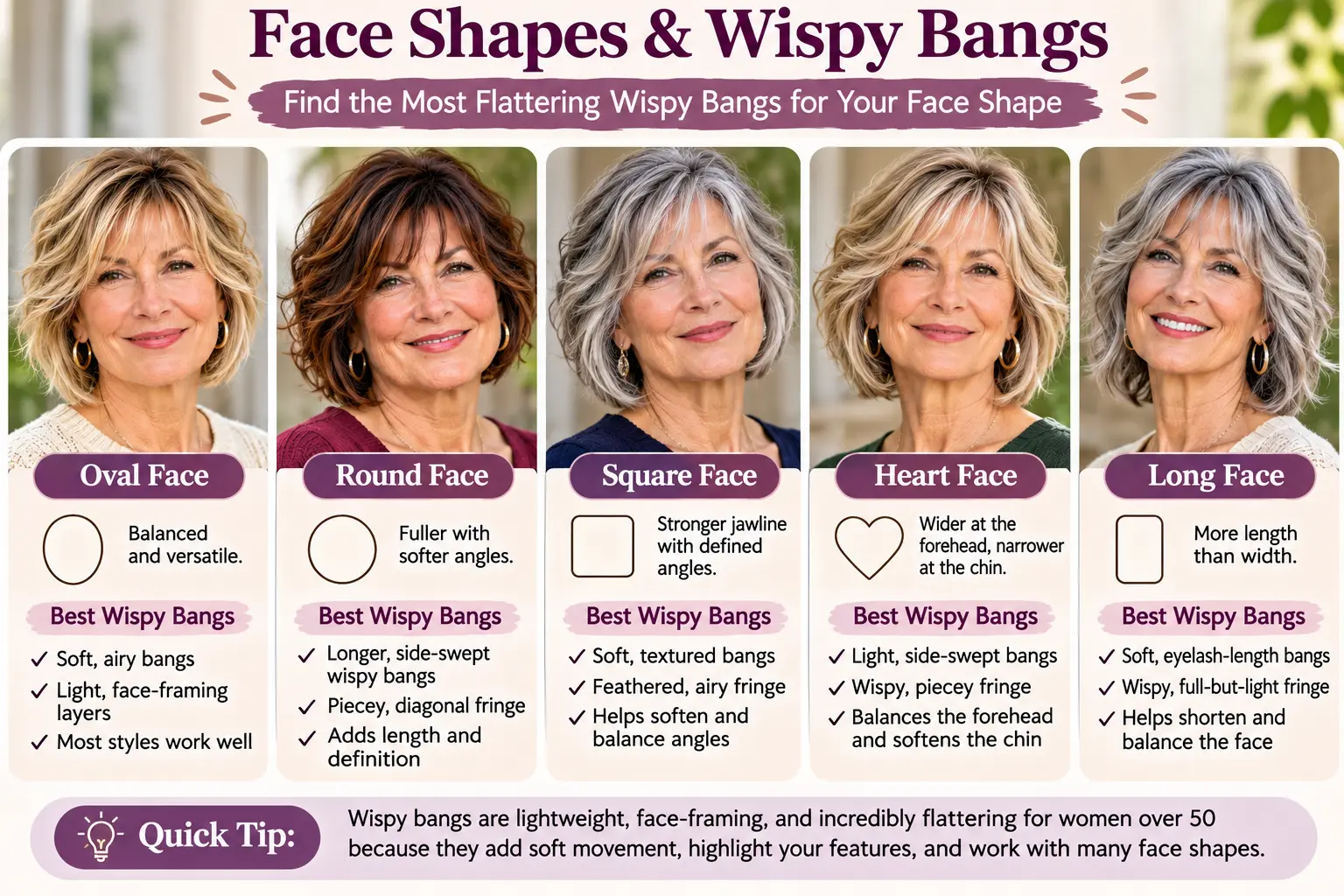
- Oval faces: Many fringe shapes can work. Consider classic wispy bangs, curtain bangs, or a slightly off-center fringe.
- Round faces: Longer side-swept bangs or curtain shapes may create a more elongated visual line around the face.
- Square faces: Soft, feathered edges or gently curved bangs may provide a less angular outline.
- Heart-shaped faces: Wispy curtain bangs and longer face-framing pieces can help balance the forehead and chin area.
- Longer faces: Eyebrow-skimming or softly distributed bangs can introduce a horizontal element across the forehead.
These are styling suggestions, not strict rules. The best choice is the one that feels balanced with your features and is comfortable to maintain.
How to Style Wispy Bangs at Home
Wispy bangs do not always fall into place on their own. A few simple techniques can help them look neat without making them stiff or overly styled.
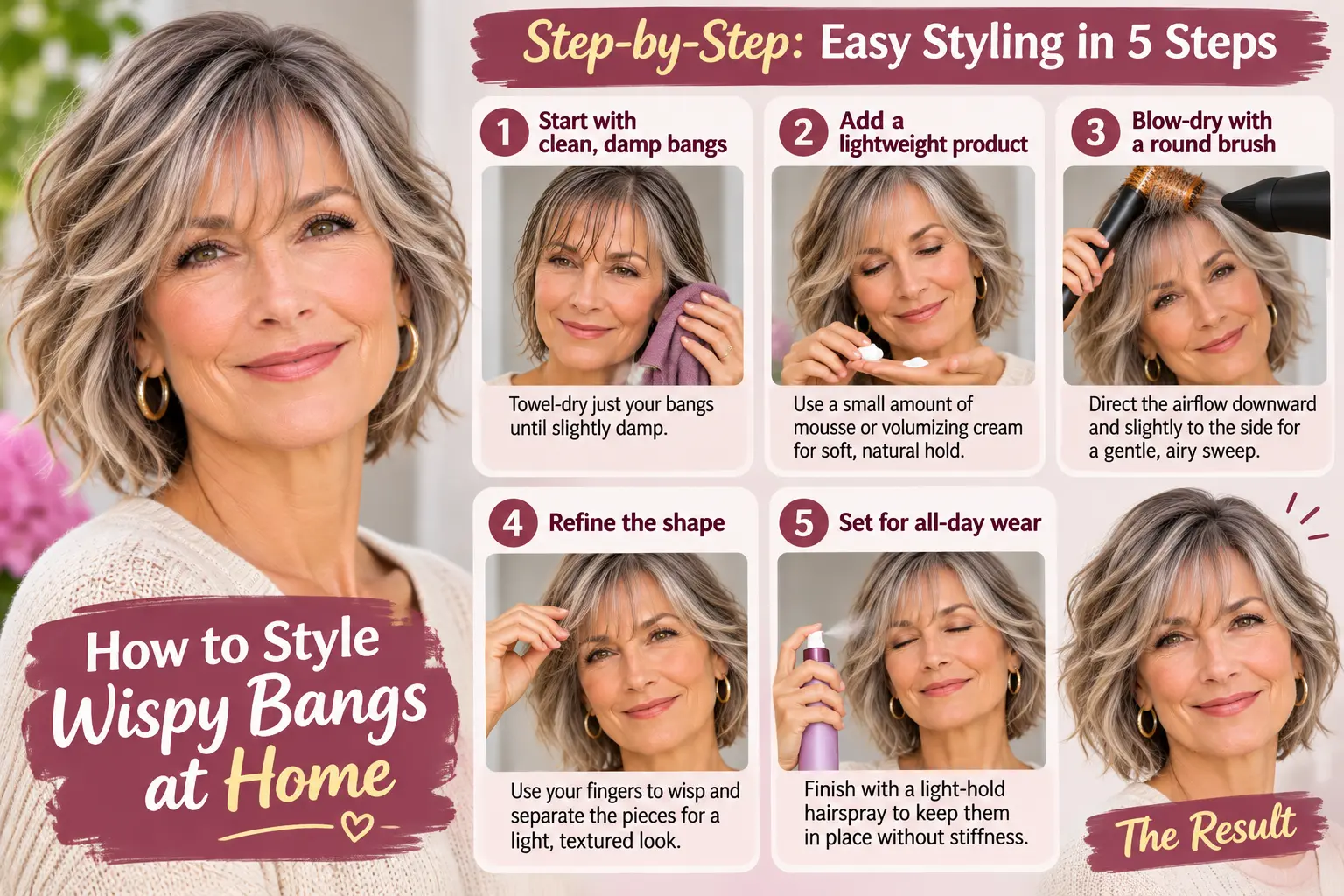
- Start with the front section. Dampen the fringe slightly if it has dried in an unwanted direction. You usually do not need to wet your entire head.
- Blow-dry in different directions. Before using heat, apply a lightweight heat protectant. Then use a small round brush or your fingers to gently guide the bangs from one side to the other while drying. A hair dryer with a concentrator nozzle can help direct airflow toward the fringe. Finish by directing the fringe into its intended shape. If you want a little extra separation, you can optionally use a small amount of lightweight texture spray.
- Use lightweight products. A small amount of lightweight styling cream or flexible-hold product may help control flyaways. Too much product can make wispy strands heavy or clumped together.
- Be careful with heat. Use a moderate temperature and avoid holding a hot tool too close to the forehead. A small round brush or low-heat setting may be enough.
- Work with your natural texture. If your hair is wavy or curly, let the fringe follow its natural pattern when that is how you usually wear your hair.
Affiliate Disclosure: This post contains affiliate links. As an Amazon Associate I earn from qualifying purchases.
Continue Reading
This article continues on the next page. Select Next to keep reading.